„Im mniej rozkochasz się w kobiecie, tym łatwiej będziesz się podobał.”
Eugeniusz Oniegin (1833)
Aleksandr Siergiejewicz Puszkin – rosyjski pisarz i przedstawiciel romantyzmu rosyjskiego, klasyk literatury rosyjskiej, reformator rosyjskiego języka literackiego. Kamerjunkier cesarza Mikołaja I Romanowa.
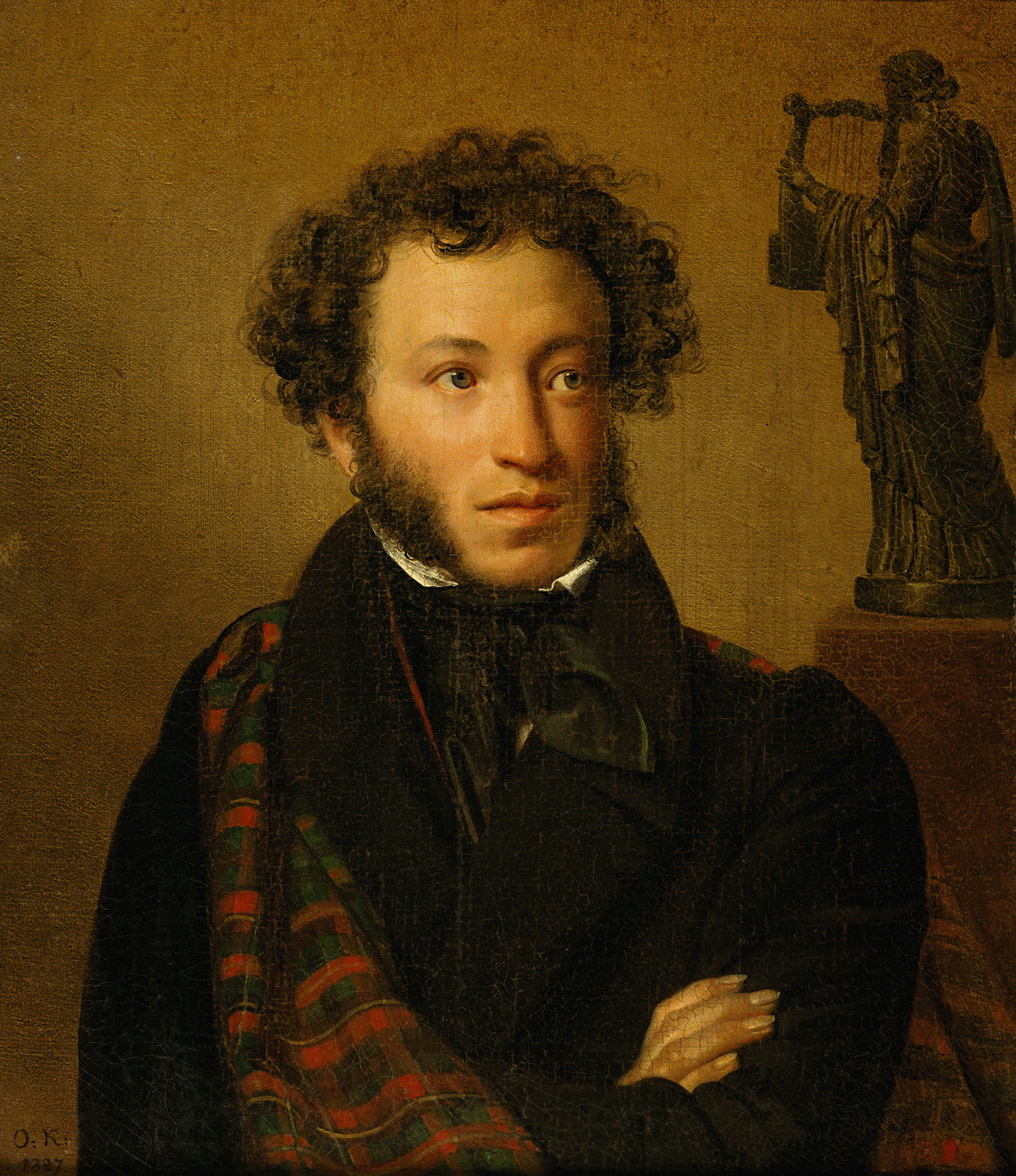
„Im mniej rozkochasz się w kobiecie, tym łatwiej będziesz się podobał.”
Eugeniusz Oniegin (1833)
Źródło: Cóż tobie imię moje powie…
Eugeniusz Oniegin (1833)
Aleksander Puszkin książka Свободы сеятель пустынный
Свободы сеятель пустынный,<br>Я вышел рано, до звезды;<br>Рукою чистой и безвинной<br>В порабощенные бразды<br>Бросал живительное семя –<br>Но потерял я только время,<br>Благие мысли и труды… (ros.) <br class="br">Źródło: wiersz Wolności siewca http://wiersze.wikia.com/index.php?title=Wolności_siewca&useskin=monobook, 1823
„Dźwignąłem pomnik swój, nie trudem rąk ciosany,
Wydepcą ścieżki doń miliony ludzkich stóp.”
Źródło: Wiktor Woroszylski, Kto zabił Puszkina, Iskry, 1991, s. 363.
Где наша роза?<br>Друзья мои!<br>Увяла роза,<br>Дитя зари!…<br>Не говори:<br>Вот жизни младость,<br>Не повтори:<br>Так вянет радость… (ros.) <br class="br">Źródło: wiersz Róża http://wiersze.wikia.com/index.php?title=Róża_(Puszkin)&useskin=monobook, 1815
Źródło: Zbiór owadów (1829), tłum. Julian Tuwim
„Gdzieście, ach, gdzieście uleciały
Wy, dni młodości mojej złote?”
Kudá, kudá wy udalílis', wiesný mojéj złatýje dni… (ros.)
także w operze wg poematu (1878), aria Leńskiego.
Eugeniusz Oniegin (1833)
Źródło: Władysław Kopaliński, Słownik wyrazów obcych i zwrotów obcojęzycznych, Wiedza Powszechna, 1978, s. 585.
„A szczęście było tak dostępne, tak blisko!”
А счастье было так возможно, Так близко! (ros.)
Eugeniusz Oniegin (1833)
Źródło: 6, 47
Aleksander Puszkin Jeździec miedziany
Źródło: Jeździec miedziany (ros. Медный всадник), tłum. Julian Tuwim
Źródło: Jeśli cię nadzieje zwiodą…
„Co dzień jutrzejszy mi przyniesie?”
Czto dień griaduszczij mnie gotowit? (ros.)
Eugeniusz Oniegin (1833)
Źródło: 6, 21
„Duch negacji, duch wątpienia; duch zaprzeczenia, duch bluźnierczy.”
Duch otricanija, duch somnienija. (ros.)
Źródło: Anioł (1827), tłum. Julian Tuwim
“The illusion which exalts us is dearer to us than ten thousand truths.”
The Hero ll. 64-65, quoted in Gooseberries by Anton Chekhov
Aleksandr Pushkin książka Eugene Onegin
Źródło: Eugene Onegin (1823), Ch. 1, st. 25.
Found in Pushkin's. The Captain's Daughter and Other Stories. English edition by Random House LLC. 2013. p. 139
As quoted by Joseph Frank in Dostoevsky: A Writer in His Time (2009). Princeton University Press, p. 203.
Aleksandr Pushkin książka The Queen of Spades
"Three, seven, queen!"
VI.
The Queen of Spades (1833)
Aleksandr Pushkin Jeździec miedziany
The Bronze Horseman (1833).
Aleksandr Pushkin książka Eugene Onegin
Eugene Onegin (1823)
Oryginał: (ru) Но так и быть — рукой пристрастной Прими собранье пестрых глав, Полусмешных, полупечальных, Простонародных, идеальных, Небрежный плод моих забав, Бессониц, легких вдохновений, Незрелых и увядших лет, Ума холодных наблюдений И сердца горестных замет.
Aleksandr Pushkin Boris Godunov
(Variant translation):
One more story, just one more,
And then my history's completed,
All my chronicles written down
And my sinner's debt repaid to God.
Not for nothing.
The Lord appointed me to bear witness
For many many years and it was he
Taught me the art of creating books.
One day, in the far future,
some hard-working monk
Will find my painstaking,
anonymous writings.
He'll light his lamp,
as I light mine,
He'lll shake the dust of centuries from these scrolls.
Then he'll copy out, carefully, these true accounts,
So the descendants of today's Christians
May know the past of their native land
Remember their mighty Tsars warmly
For their glory and their knidness
And our Lord's mercy on their sins and crimes.
In my old age I live my life anew.
Pushkin, Alexander (2012). Pushkin's Boris Gudunov. Oberon Books.
Boris Godunov (1825)
Aleksandr Pushkin książka Eugene Onegin
Źródło: Eugene Onegin (1823), Ch. 4, st. 1.
Aleksandr Pushkin książka Eugene Onegin
Źródło: Eugene Onegin (1823), Ch. 1, st. 5.
Aleksandr Pushkin The Prophet
English translation found in New Society, Volume 8, (1966). New Society Limited. p. 413.
Also quoted by Kahn, Andrew (2006). The Cambridge Companion to Pushkin. Cambridge University Press, p. 84.
The Prophet (1826)
Secular Power
as quoted in Pushkin, Alexander (2009). Selected Lyric Poetry. Northwestern University Press, p. 121.
Aleksandr Pushkin książka The Queen of Spades
V.
The Queen of Spades (1833)
Aleksandr Pushkin książka Eugene Onegin
Prologue, sec. 5, l. 18-28.
Eugene Onegin (1823)
“Always contented with his life,
and with his dinner, and his wife.”
Aleksandr Pushkin książka Eugene Onegin
Źródło: Eugene Onegin (1823), Ch. 1, st. 12.
“The clock of doom had struck as fated;
the poet, without a sound,
let fall his pistol on the ground.”
Aleksandr Pushkin książka Eugene Onegin
Źródło: Eugene Onegin (1823), Ch. 6, st. 30.
Aleksandr Pushkin Boris Godunov
Boris Godunov (1825)
Pushkin, 19 October 1827.
as quoted in Pushkin, Alexander (2009). Selected Lyric Poetry. Northwestern University Press, p. 121.
Aleksandr Pushkin książka Eugene Onegin
Что наши лучшие желанья,
Что наши свежие мечтанья
Истлели быстрой чередой,
Как листья осенью гнилой.
Źródło: Eugene Onegin (1823), Ch. 8, st. 11.
Aleksandr Pushkin książka Eugene Onegin
Źródło: Eugene Onegin (1823), Ch. 1, st. 38.
Aleksandr Pushkin książka Eugene Onegin
Źródło: Eugene Onegin (1823), Ch. 1, st. 59.
Remembrance.
Aleksandr Pushkin książka Eugene Onegin
Źródło: Eugene Onegin (1823), Ch. 3, st. 28. (Translated by Walter Arndt in Eugene Onegin (2009). Penguin.
Aleksandr Pushkin książka The Queen of Spades
VI.
The Queen of Spades (1833)
Aleksandr Pushkin książka The Queen of Spades
II.
The Queen of Spades (1833)
A Prayer
as quoted in Pushkin, Alexander (2009). Selected Lyric Poetry. Northwestern University Press, p. 199.
“Habit is Heaven's own redress:
it takes the place of happiness.”
Aleksandr Pushkin książka Eugene Onegin
Źródło: Eugene Onegin (1823), Ch. 2, st. 31.
Aleksandr Pushkin książka Eugene Onegin
Oryginał: (ru) Москва… как много в этом звуке Для сердца русского слилось! Как много в нем отозвалось!
Źródło: Eugene Onegin (1823), Ch. 7, st. 36.


