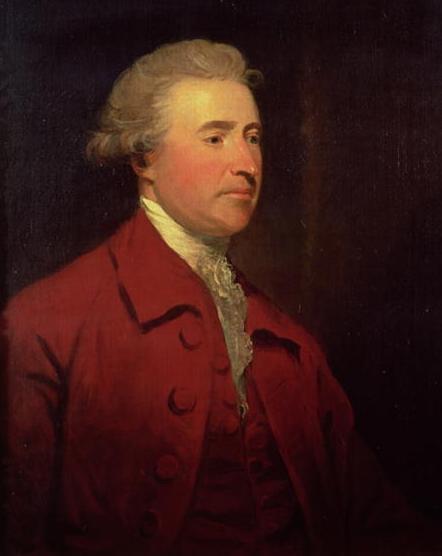
Edmund Burke słynne cytaty
Źródło: E. Burke, „Refleksje i dane o nieurodzaju”, [w:] Idem, O duchu i naturze rewolucji…, s. 237
„Dla triumfu zła potrzeba tylko, żeby dobrzy ludzie nic nie robili.”
przypisywane; prawdopodobnie jest to parafraza innych słów Burke'a.
Inne wersje:
Aby zło zatriumfowało, wystarczy, by dobry człowiek niczego nie robił.
Jedna myśl o tym żeby zatryumfować nad złem, jest dla dobrego człowieka niczym.
Jedyną rzeczą potrzebną złu do zwycięstwa jest bierność dobrych ludzi.
Zło zwycięża, gdy dobrzy ludzie nic nie robią.
Źródło: Jarosław Gronert, Astrologia od początku, Pabianice 2007, s. 30.
Edmund Burke książka Rozważania o rewolucji we Francji
Rozważania o rewolucji we Francji
Edmund Burke cytaty
„Żaden Europejczyk nie może stać się całkowitym uchodźcą w żadnej części Europy.”
Źródło: „Pressje”, wyd. 6–7, 2006, s. 155.
„Wolność bez mądrości i cnoty? To jest zło największe z możliwych.”
Edmund Burke książka Rozważania o rewolucji we Francji
Rozważania o rewolucji we Francji
Źródło: „Zdanie”, wydania 70–81, Krakowskie Wydawnictwo Prasowe RSW Prasa – Książka – Ruch, Kraków 1988.
Źródło: Dociekania filozoficzne o pochodzeniu naszych idei wzniosłości i piękna, Warszawa 1968, s. 14, tłum. P. Graff.
Źródło: Acta philologica, wyd. 6, Wydawnictwa Uniwersytetu Warszawskiego, Warszawa 1974, s. 209.
O książce Teoria uczuć moralnych Adama Smitha
Źródło: E. Burke, Correspondence, cyt. za: R. Rydz, Edmund Burke na ścieżkach wolności, op. cit. s. 186.
Źródło: Edmund Burke, Appeal from the New to the Old Whigs, 1791.
Źródło: Louis L. Bredvold, Ralph G. Ross, Ann Arbor, The Philosophy of Edmund Burke, 1960, s. 60.
Edmund Burke książka Rozważania o rewolucji we Francji
O relacjach między władzą państwa a wolnością obywateli.
Rozważania o rewolucji we Francji
Edmund Burke książka Rozważania o rewolucji we Francji
Rozważania o rewolucji we Francji
Edmund Burke książka Rozważania o rewolucji we Francji
Rozważania o rewolucji we Francji
Edmund Burke książka Rozważania o rewolucji we Francji
Rozważania o rewolucji we Francji
Edmund Burke książka Rozważania o rewolucji we Francji
Rozważania o rewolucji we Francji
„Skłonność do zachowywania i zdolność ulepszania wzięte razem – oto wzór męża stanu.”
Edmund Burke książka Rozważania o rewolucji we Francji
Rozważania o rewolucji we Francji
Edmund Burke książka Rozważania o rewolucji we Francji
Rozważania o rewolucji we Francji
Edmund Burke: Cytaty po angielsku
Edmund Burke książka A Philosophical Enquiry into the Origin of Our Ideas of the Sublime and Beautiful
Introduction On Taste
A Philosophical Enquiry into the Origin of Our Ideas of the Sublime and Beautiful (1757)
Edmund Burke książka Rozważania o rewolucji we Francji
Reflections on the Revolution in France (1790)
Edmund Burke książka A Philosophical Enquiry into the Origin of Our Ideas of the Sublime and Beautiful
Part I Section V
A Philosophical Enquiry into the Origin of Our Ideas of the Sublime and Beautiful (1757)
Edmund Burke książka An Appeal from the New to the Old Whigs
On the Polish Constitution of May 3, 1791
Źródło: An Appeal from the New to the Old Whigs (1791), p. 463
“We must not always judge of the generality of the opinion by the noise of the acclamation.”
No. 1
Letters On a Regicide Peace (1796)
Edmund Burke książka Rozważania o rewolucji we Francji
Reflections on the Revolution in France (1790)
Edmund Burke książka Rozważania o rewolucji we Francji
Reflections on the Revolution in France (1790)
“Abstract liberty, like other mere abstractions, is not to be found.”
Second Speech on Conciliation with America (1775)
Speech on the Bill for the Relief of Protestant Dissenters (7 March 1773)
1770s
“Whenever a separation is made between liberty and justice, neither, in my opinion, is safe.”
Letter to M. de Menonville (October 1789)
1780s
Edmund Burke książka Rozważania o rewolucji we Francji
Reflections on the Revolution in France (1790)
“Slavery they can have anywhere. It is a weed that grows in every soil.”
Second Speech on Conciliation with America (1775)
“Good order is the foundation of all good things.”
Edmund Burke książka Rozważania o rewolucji we Francji
Reflections on the Revolution in France (1790)
“No man can mortgage his injustice as a pawn for his fidelity.”
Edmund Burke książka Rozważania o rewolucji we Francji
Reflections on the Revolution in France (1790)
“Resolved to die in the last dike of prevarication.”
7 May 1789
On the Impeachment of Warren Hastings (1788-1794)
Edmund Burke książka Rozważania o rewolucji we Francji
Reflections on the Revolution in France (1790)
"Thoughts on French Affairs" (December 1791), in Three Memorials on French Affairs (1797), p. 53
1790s
No. 1, p. 172 in The Works of the Right Honourable Edmund Burke: A New Edition, v. VIII. London: F. C. and J. Rivington, 1815
Letters On a Regicide Peace (1796)
Edmund Burke książka Rozważania o rewolucji we Francji
Reflections on the Revolution in France (1790)
Edmund Burke książka Rozważania o rewolucji we Francji
Volume iii, p. 277
Reflections on the Revolution in France (1790)
“Example is the school of mankind, and they will learn at no other.”
No. 1, volume v, p. 331
Letters On a Regicide Peace (1796)
“Nothing less will content me, than whole America.”
Second Speech on Conciliation with America (1775)
“He was not merely a chip of the old Block, but the old Block itself.”
On Pitt's First Speech (26 February 1781), from Wraxall's Memoirs, First Series, vol. i. p. 342
1780s
Speech on Reform of Representation in the House of Commons (7 May 1782)
1780s
30 May 1794
On the Impeachment of Warren Hastings (1788-1794)
Edmund Burke książka A Vindication of Natural Society
Preface
A Vindication of Natural Society (1756)
Works of Edmund Burke Volume ii, p. 123
Second Speech on Conciliation with America (1775)
Edmund Burke książka Rozważania o rewolucji we Francji
Reflections on the Revolution in France (1790)
“If you can be well without health, you may be happy without virtue.”
First known in Thomas Fuller's Gnomologia: Adages and Proverbs (1732), but not found in the writings of Edmund Burke.
Misattributed
“The arrogance of age must submit to be taught by youth.”
Letter to http://books.google.com/books?id=JsCV9BpMko4C&pg=PA107&dq=%22arrogance+of+age+must+submit+to+be+taught+by+youth%22&hl=en&sa=X&ei=RoPSUs_hA83okQeTz4CQCw&ved=0CC8Q6AEwAA#v=onepage&q=%22arrogance%20of%20age%20must%20submit%20to%20be%20taught%20by%20youth%22&f=false Frances Burney (29 July 1782) <br class="br">1780s


