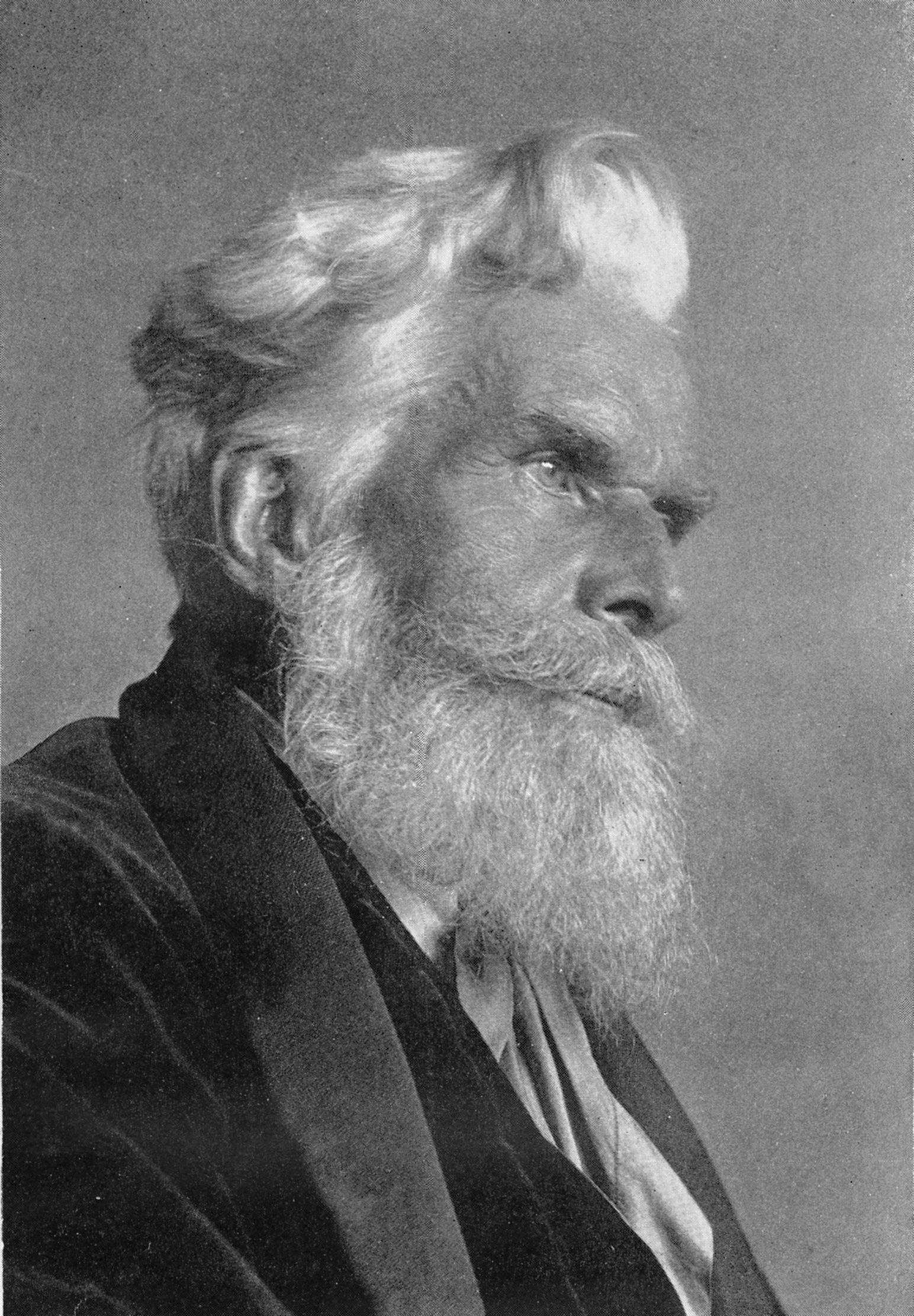
Havelock Ellis słynne cytaty
Źródło: Mikołaj Kozakiewicz, O miłości prawie wszystko, LSW, Warszawa 1982, s. 90.
Źródło: Mikołaj Kozakiewicz, O miłości prawie wszystko, LSW, Warszawa 1982, s. 92.
Havelock Ellis: Cytaty po angielsku
“What we call "morals" is simply blind obedience to words of command.”
Źródło: The Dance of Life http://www.gutenberg.net.au/ebooks03/0300671.txt (1923), Ch. 6
Źródło: The Dance of Life http://www.gutenberg.net.au/ebooks03/0300671.txt (1923), Ch. 2
The Task of Social Hygiene, ch. 3 HTTP://BOOKS.GOOGLE.COM/books?id=nAoAAAAAYAAJ&q=%22charm+which+means+the+power+to+effect+work+without+employing+brute+force+is+indispensable+to+women+charm+is+a+woman%27s+strength+just+as+strength+is+a+man%27s+charm%22&pg=PA81#v=onepage
Źródło: The Dance of Life http://www.gutenberg.net.au/ebooks03/0300671.txt (1923), Ch. 3
“The byproduct is sometimes more valuable than the product.”
Źródło: Little Essays of Love and Virtue http://www.gutenberg.org/files/15687/15687-h/15687-h.htm (1922), Ch. 3
Źródło: Little Essays of Love and Virtue http://www.gutenberg.org/files/15687/15687-h/15687-h.htm (1922), Ch. 1
Źródło: The Dance of Life http://www.gutenberg.net.au/ebooks03/0300671.txt (1923), Ch. 2
“The place where optimism most flourishes is the lunatic asylum.”
Źródło: The Dance of Life http://www.gutenberg.net.au/ebooks03/0300671.txt (1923), Ch. 3
Źródło: The Dance of Life http://www.gutenberg.net.au/ebooks03/0300671.txt (1923), Ch. 7
“One can know nothing of giving aught that is worthy to give unless one also knows how to take.”
Źródło: Little Essays of Love and Virtue http://www.gutenberg.org/files/15687/15687-h/15687-h.htm (1922), Ch. 1
Źródło: Little Essays of Love and Virtue http://www.gutenberg.org/files/15687/15687-h/15687-h.htm (1922), Ch. 7
“All civilization has from time to time become a thin crust over a volcano of revolution.”
Źródło: Little Essays of Love and Virtue http://www.gutenberg.org/files/15687/15687-h/15687-h.htm (1922), Ch. 7
“The mathematician has reached the highest rung on the ladder of human thought.”
Źródło: The Dance of Life http://www.gutenberg.net.au/ebooks03/0300671.txt (1923), Ch. 3
Źródło: The Dance of Life http://www.gutenberg.net.au/ebooks03/0300671.txt (1923), Ch. 3
Impressions and Comments http://www.gutenberg.org/dirs/etext05/8ells10.txt (1914)
“The Promised Land always lies on the other side of a wilderness.”
Źródło: The Dance of Life http://www.gutenberg.net.au/ebooks03/0300671.txt (1923), Ch. 5
“The text of the Bible is but a feeble symbol of the Revelation held in the text of Men and Women.”
Impressions and Comments http://www.gutenberg.org/dirs/etext05/8ells10.txt (1914)
“A man must not swallow more beliefs than he can digest.”
Źródło: The Dance of Life http://www.gutenberg.net.au/ebooks03/0300671.txt (1923), Ch. 5
“To be a leader of men one must turn one's back on men.”
Introduction to Huysman's A Rebours (Against the Grain) (1884)
Impressions and Comments, series 3


