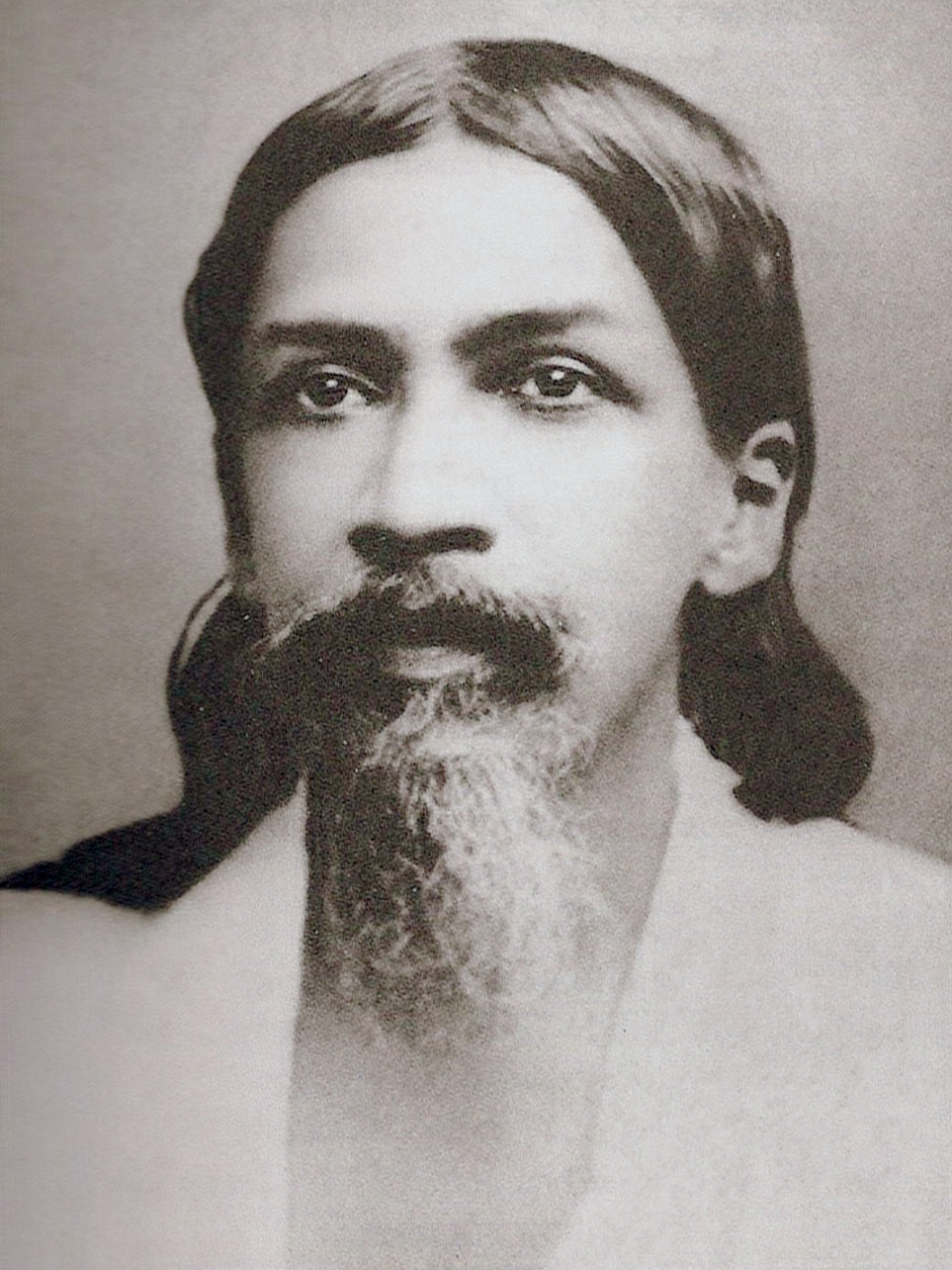
Sri Aurobindo idézet
oldal 6

Sri Aurobindo , születési neve Aurobindo Ghosh vagy Ghose , indiai hazafi, szabadságharcos, filozófus, jógi, guru, és költő. Csatlakozott a brit uralom elleni indiai szabadságmozgalomhoz, amelynek az egyik befolyásos vezetőjévé vált. Később spirituális reformer lett, és megfogalmazta az emberi fejlődéssel és a spirituális evolúcióval kapcsolatos nézeteit.Aurobindo indiai közszolgálati ösztöndíjjal a Cambridge-i Egyetemen végezte tanulmányait. Visszatérve Indiába, különböző közszolgálati feladatokat látott el Baroda Maharadzsája számára, és kezdett belekapcsolódni a politikába is. 1908-ban a brit uralom ellen íródott cikkei miatt bebörtönözték - ahol misztikus és spirituális tapasztalatokat élt át -, majd bizonyíték hiányában szabadon bocsátották. Ezt követően Pondicherry-be ment, véglegesen feladta a politikát, és kizárólag spirituális tevékenységet folytatott.Pondicherry-ben Aurobindo egy új spirituális gyakorlati módszert fejlesztett ki, amelyet Integrált jógának nevezett el. Koncepciójának központi témája az emberi életnek az isteni életbe való evolúciója volt. Egy olyan spirituális megvalósításban hitt, amely nem csak megszabadította az embert, hanem át is alakította annak természetét, ezzel lehetővé téve az isteni életet a földön. 1926-ban spirituális munkatársa, Mira Alfassa segítségével megalapította a Sri Aurobindo Asramot. 1950. december 5-én hunyt el. Aurobindo egyike volt az első indiaiknak, akik angolul hoztak létre egy irodalmi életművet.Fő művei: Az Isteni Élet, amely az Integrált jóga elméleti aspektusaival foglalkozik; A Jóga Szintézise, amely gyakorlati útmutatást nyújt az Integrált jógához; és epikus költeménye, a Mahábhárata egyik epizódját feldolgozó, Szávitrí amelyben a szereplők az életükben megvalósítják az Integrált jógát. Egyéb főbb művei közt megtalálhatók még a Védák, az Upanisadok és a Gíta fordításai és a hozzájuk fűzött kommentárjai, és a társadalom spirituális fejlődésével foglalkozó művek. Wikipedia  

✵ 15. augusztus 1872 – 5. december 1950
Sri Aurobindo fénykép
Sri Aurobindo: 236   idézetek 2   Kedvelés

Sri Aurobindo híres idézetei

„Amikor a magasabb tudat békéje leereszkedik, mindig magával hozza ezt a hajlamosságot az egyenlő elbírálás, a szamata felé.”

Eredeti: Letters of Sri Aurobindo, The Secure Foundation of Sadhana, p.149

„Isten gyermekei vagyunk, és olyanná is kell válnunk, mint Ő Maga.”

Eredeti: We are sons of God, and must be even as He. szöveg (angolul) https://books.google.de/books?id=71RXCaLDTbAC&pg=PA25&lpg=PA25&dq=We+are+sons+of+God,+and+must+be+even+as+He.+aurobindo&source=bl&ots=5MZig8JUth&sig=m3Q8f6G_RyaLBS79ZHBqW6TyDg8&hl=hu&sa=X&ved=0ahUKEwj60vvp8YbaAhWDJlAKHZ_QCPIQ6AEIMjAB#v=onepage&q=We%20are%20sons%20of%20God%2C%20and%20must%20be%20even%20as%20He.%20aurobindo&f=falseTeljes

Sri Aurobindo idézetek

Sri Aurobindo: Idézetek angolul

“The ascent of man into heaven is not the key, but rather his ascent here into the spirit and the descent also of the Spirit into his normal humanity and the transformation of this earthly nature. For that and not some post mortem salvation is the real new birth for which humanity waits as the crowning movement of its long obscure and painful course…. Therefore the individuals who will most help the future of humanity in the new age will be those who will recognise a spiritual evolution as the destiny and therefore the great need of the human being…. They will especially not make the mistake of thinking that this change can be effected by machinery and outward institutions; they will know and never forget that it has to be lived out by each man inwardly or it can never be made a reality for the kind…. Failures must be originally numerous in everything great and difficult, but the time comes when the experience of past failures can be profitably used and the gate that so long resisted opens. In this as in all great human aspirations and endeavours, an a priori declaration of impossibility is a sign of ignorance and weakness, and the motto of the aspirant's endeavour must be the solvitur ambulando of the discoverer. For by the doing the difficulty will be solved. A true beginning has to be made; the rest is a work for Time in its sudden achievements or its long patient labour….”

July, 1918
India's Rebirth

“I do not care a button about having my name in any blessed place. I was never ardent about fame even in my political days; I preferred to remain behind the curtain, push people without their knowing it and get things done. It was the confounded British Government that spoiled my game by prosecuting me and forcing me to be publicly known and a 'leader'. Then, again, I don't believe in advertisement except for books etc., and in propaganda except for politics and patent medicines. But for serious work it is a poison. It means either a stunt or a boom' and stunts and booms exhaust the thing they carry on their crest and leave it lifeless and broken high and dry on the shores of nowhere… or it means a movement. A movement in the case of a work like mine means the founding of a school or a sect or some other damned nonsense. It means that hundreds or thousands of useless people join in and corrupt the work or reduce it to a pompous farce from which the Truth that was coming down recedes into secrecy and silence. It is what has happened to the 'religions' and is the reason of their failure. If I tolerate a little writing about myself, it is only to have a sufficient counter-weight in that amorphous chaos, the public mind, to balance the hostility that is always aroused by the presence of a new dynamic Truth in this world of ignorance. But the utility ends there and too much advertisement would defeat that object. I am perfectly 'rational', I assure you, in my methods and I do not proceed merely on any personal dislike of fame. If and so far as publicity serves the Truth, I am quite ready to tolerate it; but I do not find publicity for its own sake desirable.”

October 2, 1934
India's Rebirth

Hasonló szerzők

Paramahansza Jógánanda fénykép
Paramahansza Jógánanda 6
Jogi és guru
Rabindranáth Tagore fénykép
Rabindranáth Tagore 8
Bengáli költő és filozófus
Jorge Luis Borges fénykép
Jorge Luis Borges 37
argentin költő, elbeszélő, esszéíró, irodalomtörténész, fil…
Dzsaváharlál Nehru fénykép
Dzsaváharlál Nehru 3
indiai politikus, író, India első miniszterelnöke
Mahatma Gandhi fénykép
Mahatma Gandhi 138
indiai politikai, spirituális vezető
Henri Bergson fénykép
Henri Bergson 2
Nobel-díjas francia filozófus
Ludwig Wittgenstein fénykép
Ludwig Wittgenstein 7
osztrák-brit filozófus
Robert Frost fénykép
Robert Frost 13
amerikai költő
Simone Weil fénykép
Simone Weil 2
francia írónő, aktivista, filozófus és misztikus