Juan Ramón Jiménez książka Srebrzynek i ja
Źródło: Srebrzynek i ja, tłum. Janusz Strasburger
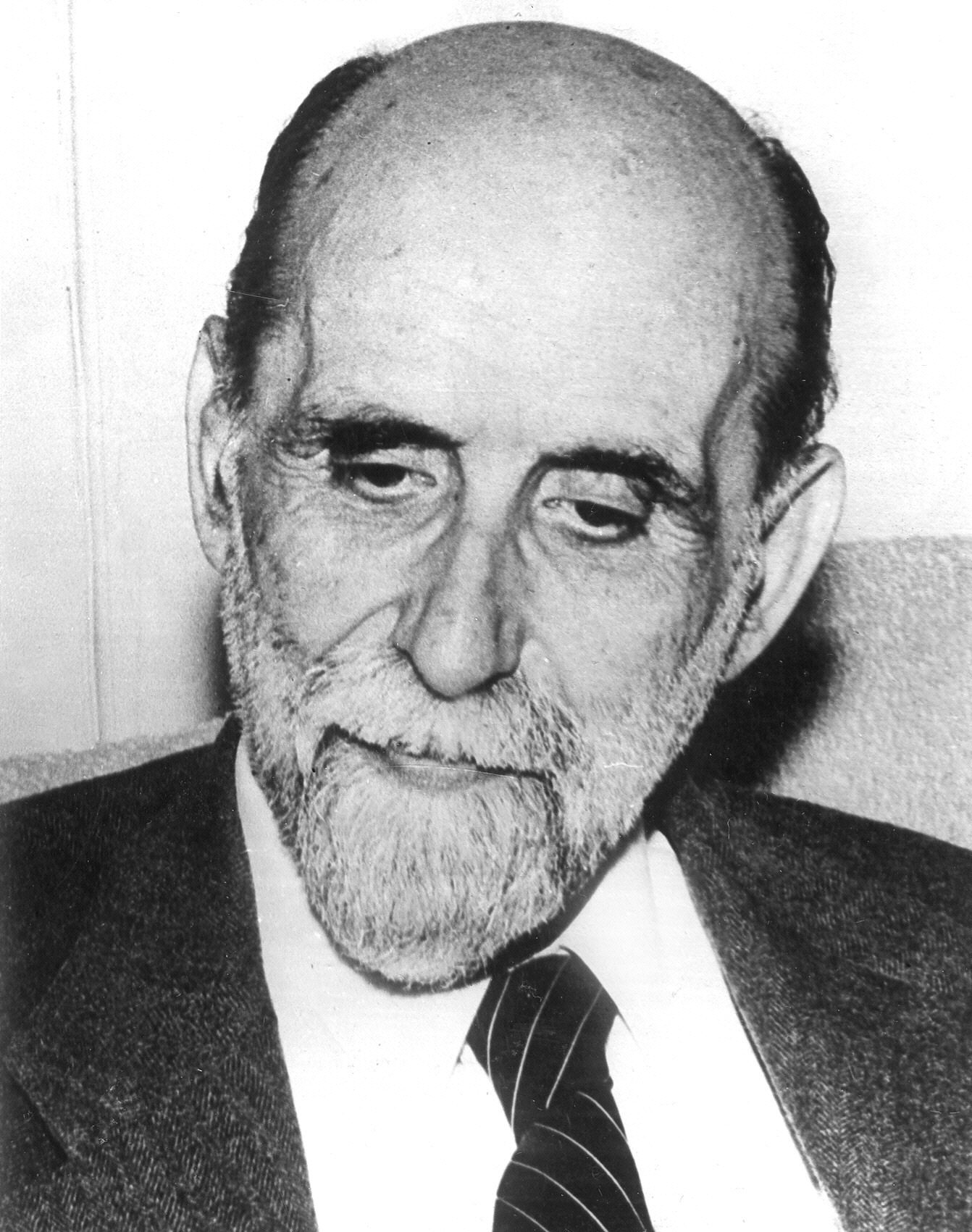
Juan Ramón Jiménez – poeta hiszpański, laureat Nagrody Nobla w dziedzinie literatury za rok 1956. W czasie wojny domowej w Hiszpanii wyemigrował do Portoryko, gdzie mieszkał, tworzył i gdzie zmarł. Był poszukującym, awangardowym twórcą, który wywierał znaczny wpływ na młodsze pokolenia poetów. Wikipedia
Juan Ramón Jiménez książka Srebrzynek i ja
Źródło: Srebrzynek i ja, tłum. Janusz Strasburger
Źródło: Mojej duszy, tłum. Zofia Szleyen
"Heroic Reason", as translated by H. R. Hays, in Selected Writings of Juan Ramon Jimenez (1957) edited by Eugenio Florit, p. 231.
Kontekst: A permanent state of transition is man's most noble condition. When we say an artist is in a state of transition, many believe that we are belittling. In my opinion when people speak of an art of transition this indicates a better art and the best that art can give. Transition is a complete present which unites the past and the future in a momentary progressive ecstasy, a progressive eternity, a true eternity of eternities, eternal moments. Progressive ecstasy is above all dynamic; movement is what sustains life and true death is nothing but lack of movement, be the corpse upright or supine. Without movement life is annihilated, within and without, for lack of dynamic cohesion. But the dynamism should be principally of the spirit, of the idea, it should be a moral dynamic ecstasy, dynamic in relation to progress, ecstatic in relation to permanence.
“He is as loving and tender as a child, but strong and sturdy as a rock.”
Juan Ramón Jimenéz książka Srebrzynek i ja
Źródło: Platero and I (1917), Ch. 1 : Platero, as translated by Eloïse Roach (1957).
Kontekst: He is as loving and tender as a child, but strong and sturdy as a rock. When on Sundays I ride him through the lanes in the outskirts of the town, slow-moving countrymen, dressed in their Sunday clean, watch him a while, speculatively:
"He is like steel," they say.
Steel, yes. Steel and moon silver at the same time.
“Dynamic ecstasy is absolute romanticism, absolute heroism.”
"Heroic Reason", as translated by H. R. Hays, in Selected Writings of Juan Ramon Jimenez (1957) edited by Eugenio Florit, p. 231.
Kontekst: Dynamic ecstasy is absolute romanticism, absolute heroism. And here I return to my point. From my point of view, after the catastrophe which we feel and think is universal, a catastrophe resulting from an excess of useless dynamism of useless progress, of useless realism, of useless technology, after this an unattainable democracy is to be reached through the conception and realization of a new romanticism.
"A NOTE TO THOSE GROWNUPS WHO MIGHT READ THIS BOOK TO CHILDREN", as translated by Antonio T. de Nicolas (1985), p. xv.
Platero and I (1917)
Kontekst: Island of grace, of freshness and of joy, Golden Age of children; always I could find you in my life, a sea of mourning; let your breeze lend me its lyre high and sometimes senseless like the trill of the lark in the white sun of morning.
I have never written nor will I ever write anything for children, because I believe the child can read the books that grownups read, with some few exceptions that come to everyone's mind. There are of course exceptions too for men and for women.
“And the food for the soul passes, candid and free, without paying tribute to the customs.”
Źródło: Platero and I (1917), Ch. 2 : White Butterflies, as translated by Eloïse Roach (1957).
Kontekst: The man wants to stick his iron pick in the little basket, and I do not prevent him. I open the knapsack, and he sees nothing in it. And the food for the soul passes, candid and free, without paying tribute to the customs.
“A permanent state of transition is man's most noble condition.”
"Heroic Reason", as translated by H. R. Hays, in Selected Writings of Juan Ramon Jimenez (1957) edited by Eugenio Florit, p. 231.
Kontekst: A permanent state of transition is man's most noble condition. When we say an artist is in a state of transition, many believe that we are belittling. In my opinion when people speak of an art of transition this indicates a better art and the best that art can give. Transition is a complete present which unites the past and the future in a momentary progressive ecstasy, a progressive eternity, a true eternity of eternities, eternal moments. Progressive ecstasy is above all dynamic; movement is what sustains life and true death is nothing but lack of movement, be the corpse upright or supine. Without movement life is annihilated, within and without, for lack of dynamic cohesion. But the dynamism should be principally of the spirit, of the idea, it should be a moral dynamic ecstasy, dynamic in relation to progress, ecstatic in relation to permanence.
“If they give you ruled paper, write the other way.”
As quoted in the epigraph in Fahrenheit 451 (1953) by Ray Bradbury; Susie Salmon also uses this quote in The Lovely Bones, and Daniel Quinn published a book in 2007 with the title If They Give You Lined Paper, Write Sideways (2007)
Spanish: "Si os dan papel pautado, escribid por el otro lado" (If they give you lined paper, write on the other side)
"If they give you ruled paper, write the other way" is often attributed to William Carlos Williams who was contemporary with JRJ.
Misattributed
“Sharp nostalgia, infinite
And terrible, for what I already possess!”
Nostalgia aguda, infinita,
terrible, de lo que tengo.
"South", in Poesía, en verso, 1917–1923 (1923), p. 97.
"Oceans", as translated by Robert Bly; quoted in Opening Our Moral Eye : Essays, Talks & Poems Embracing Creativity & Community (1996) by Mary Caroline Richards.
"A NOTE TO THOSE GROWNUPS WHO MIGHT READ THIS BOOK TO CHILDREN", as translated by Antonio T. de Nicolas (1985), p. xv.
Platero and I (1917)
“Literature is a state of culture, poetry is a state of grace, before and after culture.”
"Poetry and Literature" (1941), as translated in Selected Writings (1957).
"I am not I", from Lorca and Jiménez: Selected Poems, chosen and translated by Robert Bly (Boston: Beacon Press, 1973), p. 77
Juan Ramón Jimenéz książka Srebrzynek i ja
Źródło: Platero and I (1917), Ch. 1 : Platero, as translated by Eloïse Roach (1957).
Źródło: Platero and I (1917), Ch. 55: "Donkeyography" as translated by Antonio T. de Nicolas (1985), p. 66; also translated as "Assography" in translation by Eloïse Roach.


