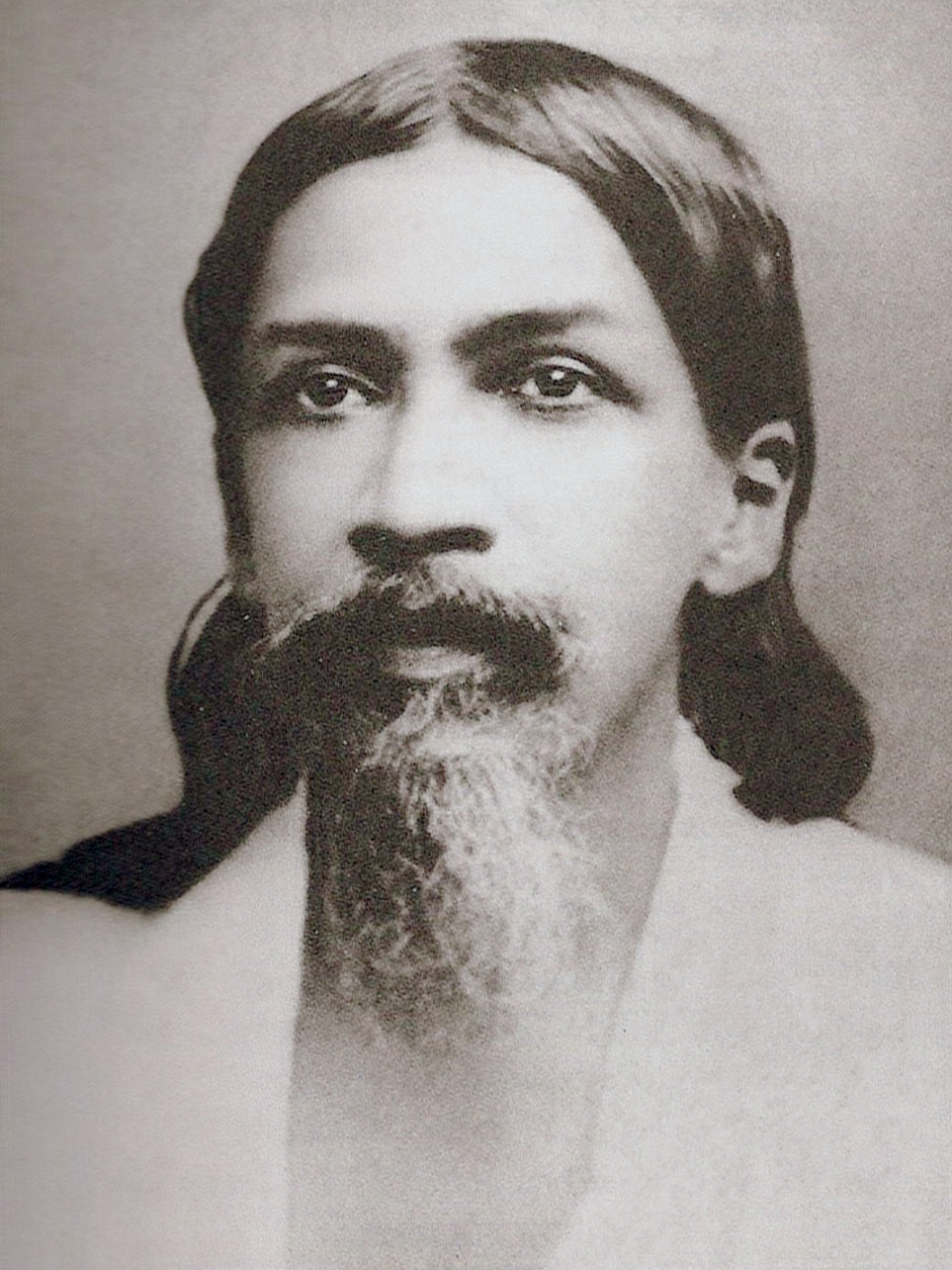
Sri Aurobindo idézet
oldal 4

Sri Aurobindo , születési neve Aurobindo Ghosh vagy Ghose , indiai hazafi, szabadságharcos, filozófus, jógi, guru, és költő. Csatlakozott a brit uralom elleni indiai szabadságmozgalomhoz, amelynek az egyik befolyásos vezetőjévé vált. Később spirituális reformer lett, és megfogalmazta az emberi fejlődéssel és a spirituális evolúcióval kapcsolatos nézeteit.Aurobindo indiai közszolgálati ösztöndíjjal a Cambridge-i Egyetemen végezte tanulmányait. Visszatérve Indiába, különböző közszolgálati feladatokat látott el Baroda Maharadzsája számára, és kezdett belekapcsolódni a politikába is. 1908-ban a brit uralom ellen íródott cikkei miatt bebörtönözték - ahol misztikus és spirituális tapasztalatokat élt át -, majd bizonyíték hiányában szabadon bocsátották. Ezt követően Pondicherry-be ment, véglegesen feladta a politikát, és kizárólag spirituális tevékenységet folytatott.Pondicherry-ben Aurobindo egy új spirituális gyakorlati módszert fejlesztett ki, amelyet Integrált jógának nevezett el. Koncepciójának központi témája az emberi életnek az isteni életbe való evolúciója volt. Egy olyan spirituális megvalósításban hitt, amely nem csak megszabadította az embert, hanem át is alakította annak természetét, ezzel lehetővé téve az isteni életet a földön. 1926-ban spirituális munkatársa, Mira Alfassa segítségével megalapította a Sri Aurobindo Asramot. 1950. december 5-én hunyt el. Aurobindo egyike volt az első indiaiknak, akik angolul hoztak létre egy irodalmi életművet.Fő művei: Az Isteni Élet, amely az Integrált jóga elméleti aspektusaival foglalkozik; A Jóga Szintézise, amely gyakorlati útmutatást nyújt az Integrált jógához; és epikus költeménye, a Mahábhárata egyik epizódját feldolgozó, Szávitrí amelyben a szereplők az életükben megvalósítják az Integrált jógát. Egyéb főbb művei közt megtalálhatók még a Védák, az Upanisadok és a Gíta fordításai és a hozzájuk fűzött kommentárjai, és a társadalom spirituális fejlődésével foglalkozó művek. Wikipedia  

✵ 15. augusztus 1872 – 5. december 1950
Sri Aurobindo fénykép
Sri Aurobindo: 236   idézetek 2   Kedvelés

Sri Aurobindo híres idézetei

„Amikor a magasabb tudat békéje leereszkedik, mindig magával hozza ezt a hajlamosságot az egyenlő elbírálás, a szamata felé.”

Eredeti: Letters of Sri Aurobindo, The Secure Foundation of Sadhana, p.149

„Isten gyermekei vagyunk, és olyanná is kell válnunk, mint Ő Maga.”

Eredeti: We are sons of God, and must be even as He. szöveg (angolul) https://books.google.de/books?id=71RXCaLDTbAC&pg=PA25&lpg=PA25&dq=We+are+sons+of+God,+and+must+be+even+as+He.+aurobindo&source=bl&ots=5MZig8JUth&sig=m3Q8f6G_RyaLBS79ZHBqW6TyDg8&hl=hu&sa=X&ved=0ahUKEwj60vvp8YbaAhWDJlAKHZ_QCPIQ6AEIMjAB#v=onepage&q=We%20are%20sons%20of%20God%2C%20and%20must%20be%20even%20as%20He.%20aurobindo&f=falseTeljes

Sri Aurobindo idézetek

Sri Aurobindo: Idézetek angolul

“It is not by these means [modern humanism and humanitarianism, idealism, etc. ] that humanity can get that radical change of its ways of life which is yet becoming imperative, but only by reaching the bed-rock of Reality behind,… not through mere ideas and mental formations, but by a change of the consciousness, an inner and spiritual conversion. But that is a truth for which it would be difficult to get a hearing in the present noise of all kinds of many-voiced clamour and confusion and catastrophe…. Science has missed something essential; it has seen and scrutinised what has happened and in a way how it has happened, but it has shut its eyes to something that made this impossible possible, something it is there to express. There is no fundamental significance in things if you miss the Divine Reality; for you remain embedded in a huge surface crust of manageable and utilisable appearance. It is the magic of the Magician you are trying to analyse, but only when you enter into the consciousness of the Magician himself can you begin to experience the true origination, significance and circles of the Lila…. Another danger may then arise [once materialism begins to give way]… not of a final denial of the Truth, but the repetition in old or new forms of a past mistake, on one side some revival of blind fanatical obscurantist sectarian religionism, on the other a stumbling into the pits and quagmires of the vitalistic occult and the pseudo-spiritual'mistakes that made the whole real strength of the materialistic attack on the past and its credos. But these are phantasms that meet us always on the border line or in the intervening country between the material darkness and the perfect Splendour. In spite of all, the victory of the supreme Light even in the darkened earth-consciousness stands as the one ultimate certitude….”

Undated
India's Rebirth

“What the Divine wants is for man to embody Him here, in the individual and in the collectivity… to realise God in life. The old system of yoga could not harmonise or unify Spirit and life; it dismissed the world as Maya or a transient play of God. The result has been a diminution of life-power and the decline of India. The Gita says, utsideyur ime loka na kuryam karma cedaham ["These peoples would crumble to pieces if I did not do actions," 3.24]. Truly 'these peoples' of India have gone to ruin. What kind of spiritual perfection is it if a few Sannyasins, Bairagis and Saddhus attain realisation and liberation, if a few Bhaktas dance in a frenzy of love, god-intoxication and Ananda, and an entire race, devoid of life, devoid of intelligence, sinks to the depths of extreme tamas?… But now the time has come to take hold of the substance instead of extending the shadow. We have to awaken the true soul of India and in its image fashion all works…. I believe that the main cause of India's weakness is not subjection, nor poverty, nor a lack of spirituality or Dharma, but a diminution of thought-power, the spread of ignorance in the motherland of Knowledge. Everywhere I see an inability or unwillingness to think… incapacity of thought or 'thought-phobia'…. The mediaeval period was a night, a time of victory for the man of ignorance; the modern world is a time of victory for the man of knowledge. It is the one who can fathom and learn the truth of the world by thinking more, searching more, labouring more, who will gain more Shakti. Look at Europe, and you will see two things: a wide limitless sea of thought and the play of a huge and rapid, yet disciplined force. The whole Shakti of Europe lies there. It is by virtue of this Shakti that she has been able to swallow the world, like our Tapaswins of old, whose might held even the gods of the universe in awe, suspense and subjection. People say that Europe is rushing into the jaws of destruction. I do not think so. All these revolutions, all these upsettings are the initial stages of a new creation….. We, however, are not worshippers of Shakti; we are worshippers of the easy way…. Our civilisation has become ossified, our Dharma a bigotry of externals, our spirituality a faint glimmer of light or a momentary wave of intoxication. So long as this state of things lasts, any permanent resurgence of India is impossible…. We have abandoned the sadhana of Shakti and so the Shakti has abandoned us…. You say what is needed is emotional excitement, to fill the country with enthusiasm. We did all that in the political field during the Swadeshi period; but all we did now lies in the dust…. Therefore I no longer wish to make emotional excitement, feeling and mental enthusiasm the base. I want to make a vast and heroic equality the foundation of my yoga; in all the activities of the being, of the adhar [vessel] based on that equality, I want a complete, firm and unshakable Shakti; over that ocean of Shakti I want the vast radiation of the sun of Knowledge and in that luminous vastness an established ecstasy of infinite love and bliss and oneness. I do not want tens of thousands of disciples; it will be enough if I can get as instruments of God a hundred complete men free from petty egoism. I have no faith in the customary trade of guru. I do not want to be a guru. What I want is that a few, awakened at my touch or at that of another, will manifest from within their sleeping divinity and realise the divine life. It is such men who will raise this country.”

April, 1920, Letter to Barin Ghose, Sri Aurobindo's brother, Translated from Bengali
India's Rebirth

Hasonló szerzők

Paramahansza Jógánanda fénykép
Paramahansza Jógánanda 6
Jogi és guru
Rabindranáth Tagore fénykép
Rabindranáth Tagore 8
Bengáli költő és filozófus
Jorge Luis Borges fénykép
Jorge Luis Borges 37
argentin költő, elbeszélő, esszéíró, irodalomtörténész, fil…
Dzsaváharlál Nehru fénykép
Dzsaváharlál Nehru 3
indiai politikus, író, India első miniszterelnöke
Mahatma Gandhi fénykép
Mahatma Gandhi 138
indiai politikai, spirituális vezető
Henri Bergson fénykép
Henri Bergson 2
Nobel-díjas francia filozófus
Ludwig Wittgenstein fénykép
Ludwig Wittgenstein 7
osztrák-brit filozófus
Robert Frost fénykép
Robert Frost 13
amerikai költő
Simone Weil fénykép
Simone Weil 2
francia írónő, aktivista, filozófus és misztikus