“Valor withers without adversity.”
Marcet sine adversario virtus.
Seneca the Younger Moral Essays
De Providentia (On Providence), 2.4
Moral Essays
Explore the profound quotes of Seneca the Younger on war, virtue, wealth, ruling, friendship, hope, despair, preparation, life, and death for timeless wisdom that will enlighten and inspire.
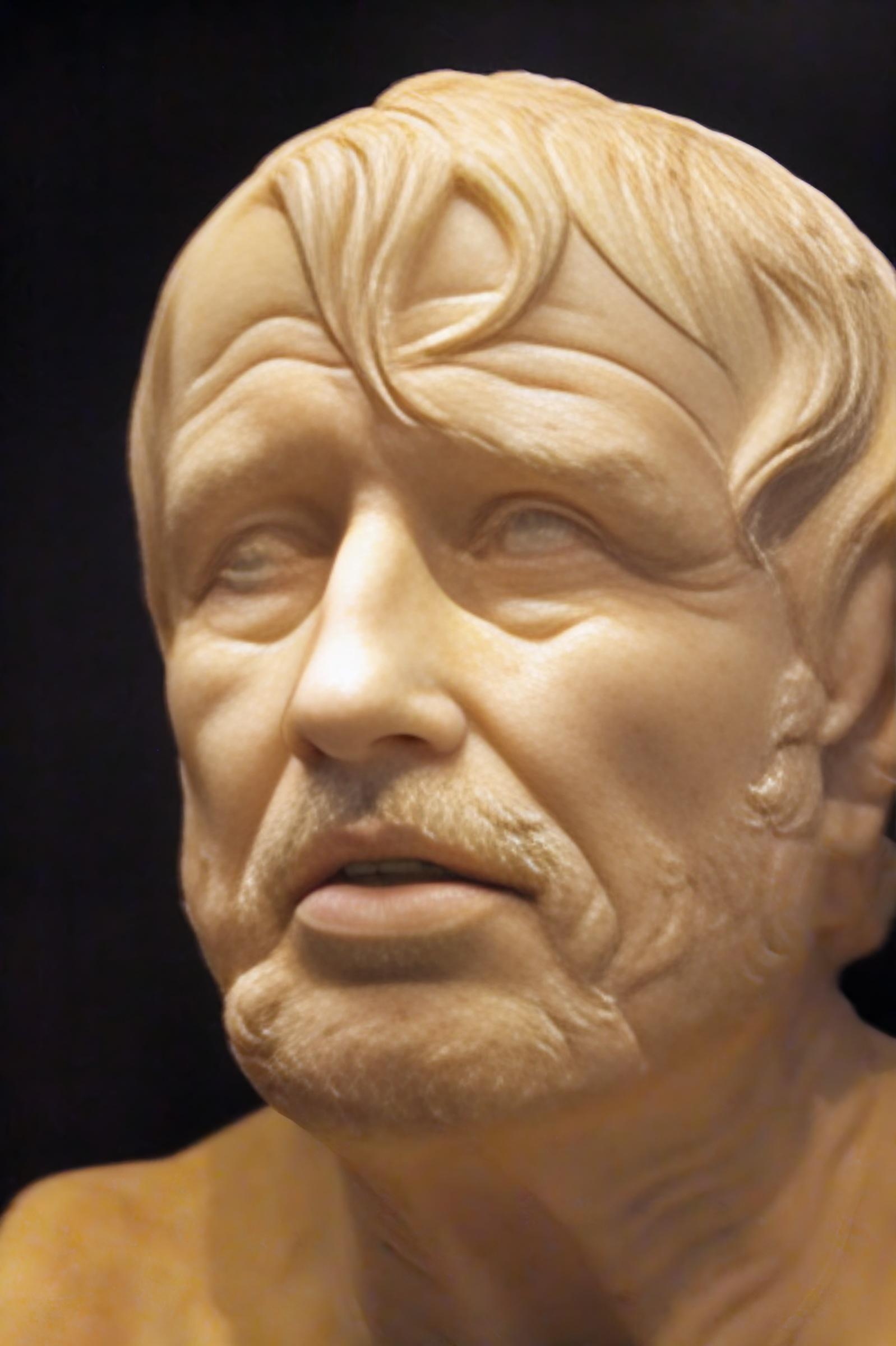
Lucius Annaeus Seneca, commonly known as Seneca, was a prominent Stoic philosopher and statesman in Ancient Rome. Born in Córdoba, Spain, he was raised in Rome and received training in rhetoric and philosophy. Seneca's father was Seneca the Elder, and he had influential relatives including his brother Lucius Junius Gallio Annaeanus and his nephew, the poet Lucan.
In AD 41, Seneca was exiled to Corsica under Emperor Claudius but returned eight years later to become a tutor to a young Nero. When Nero ascended to the throne in 54, Seneca became his advisor along with Praetorian prefect Sextus Afranius Burrus, effectively governing during the first five years of Nero's reign. However, Seneca's influence waned over time. In 65, he tragically took his own life amidst allegations of involvement in the Pisonian conspiracy to assassinate Nero—an event for which he was likely innocent. His serene suicide has been depicted in numerous paintings.
Seneca is renowned for both his philosophical works and tragedies as a writer. He authored 12 essays and 124 letters that tackled moral issues—making them crucial texts on ancient Stoicism today. As a playwright specializing in tragic dramas, important contributions include plays like "Medea," "Thyestes," and "Phaedra." Throughout history, Seneca's influence endured; during the Renaissance period, he was reverently admired as an oracle of moral wisdom with significant impact on literary style and dramatic artistry—while also serving as a model for Christian edification.
“Valor withers without adversity.”
Marcet sine adversario virtus.
Seneca the Younger Moral Essays
De Providentia (On Providence), 2.4
Moral Essays
Seneca the Younger book Epistulae morales ad Lucilium
Epistulae Morales ad Lucilium (Moral Letters to Lucilius), Letter CXVI: On Real Ethics as Superior to Syllogistic Subtleties
Seneca the Younger book Epistulae morales ad Lucilium
Epistulae Morales ad Lucilium (Moral Letters to Lucilius), Letter CXVI: On Real Ethics as Superior to Syllogistic Subtleties
Seneca the Younger book Epistulae morales ad Lucilium
Epistulae Morales ad Lucilium (Moral Letters to Lucilius), Letter CXV: On the Superficial Blessings
Seneca the Younger book Epistulae morales ad Lucilium
Epistulae Morales ad Lucilium (Moral Letters to Lucilius), Letter CVIII: On the Approaches to Philosophy
Seneca the Younger book Epistulae morales ad Lucilium
Epistulae Morales ad Lucilium (Moral Letters to Lucilius), Letter CVII: On Obedience to the Universal Will
“If you set a high value on liberty, you must set a low value on everything else.”
Seneca the Younger book Epistulae morales ad Lucilium
Epistulae Morales ad Lucilium (Moral Letters to Lucilius), Letter CIV: On Care of Health and Peace of Mind
Seneca the Younger book Epistulae morales ad Lucilium
Epistulae Morales ad Lucilium (Moral Letters to Lucilius), Letter CIV: On Care of Health and Peace of Mind
Seneca the Younger book Epistulae morales ad Lucilium
Epistulae Morales ad Lucilium (Moral Letters to Lucilius), Letter CIV: On Care of Health and Peace of Mind
Seneca the Younger book Epistulae morales ad Lucilium
Epistulae Morales ad Lucilium (Moral Letters to Lucilius), Letter CIV: On Care of Health and Peace of Mind
Seneca the Younger book Epistulae morales ad Lucilium
Epistulae Morales ad Lucilium (Moral Letters to Lucilius), Letter CIV: On Care of Health and Peace of Mind
“This spirit thrusts itself forward, confident of commendation and esteem.”
Seneca the Younger book Epistulae morales ad Lucilium
Epistulae Morales ad Lucilium (Moral Letters to Lucilius), Letter CIV: On Care of Health and Peace of Mind
Seneca the Younger book Epistulae morales ad Lucilium
Epistulae Morales ad Lucilium (Moral Letters to Lucilius), Letter CIV: On Care of Health and Peace of Mind
“New friends, however, will not be the same.”
Seneca the Younger book Epistulae morales ad Lucilium
No, nor will you yourself remain the same; you change with every day and every hour.
Epistulae Morales ad Lucilium (Moral Letters to Lucilius), Letter CIV: On Care of Health and Peace of Mind
Seneca the Younger book Epistulae morales ad Lucilium
Epistulae Morales ad Lucilium (Moral Letters to Lucilius), Letter CIV: On Care of Health and Peace of Mind
Seneca the Younger book Epistulae morales ad Lucilium
Epistulae Morales ad Lucilium (Moral Letters to Lucilius), Letter CI: On the Futility of Planning Ahead
“Accept in an unruffled spirit that which is inevitable.”
Seneca the Younger book Epistulae morales ad Lucilium
Epistulae Morales ad Lucilium (Moral Letters to Lucilius), Letter XCVIX: On Consolation to the Bereaved
Seneca the Younger book Epistulae morales ad Lucilium
Epistulae Morales ad Lucilium (Moral Letters to Lucilius), Letter XCVIII: On the Fickleness of Fortune
Seneca the Younger book Epistulae morales ad Lucilium
Epistulae Morales ad Lucilium (Moral Letters to Lucilius), Letter XCVI
Seneca the Younger book Epistulae morales ad Lucilium
Epistulae Morales ad Lucilium (Moral Letters to Lucilius), Letter XCII: On the Happy Life
“A thatched roof once covered free men; under marble and gold dwells slavery.”
Seneca the Younger book Epistulae morales ad Lucilium
Epistulae Morales ad Lucilium (Moral Letters to Lucilius), Letter XC: On the Part Played by Philosophy in the Progress of Man
Seneca the Younger book Epistulae morales ad Lucilium
Epistulae Morales ad Lucilium (Moral Letters to Lucilius), Letter LXXXV: On Some Vain Syllogisms
Seneca the Younger book Epistulae morales ad Lucilium
Epistulae Morales ad Lucilium (Moral Letters to Lucilius), Letter LXXXV: On Some Vain Syllogisms
“But he has no fear; unconquered he looks down from a lofty height upon his sufferings.”
Seneca the Younger book Epistulae morales ad Lucilium
Epistulae Morales ad Lucilium (Moral Letters to Lucilius), Letter LXXXV: On Some Vain Syllogisms
Seneca the Younger book Epistulae morales ad Lucilium
Epistulae Morales ad Lucilium (Moral Letters to Lucilius), Letter LXXVIII: On the Healing Power of the Mind
Seneca the Younger book Epistulae morales ad Lucilium
Epistulae Morales ad Lucilium (Moral Letters to Lucilius), Letter LXXVIII: On the Healing Power of the Mind
Seneca the Younger book Epistulae morales ad Lucilium
Epistulae Morales ad Lucilium (Moral Letters to Lucilius), Letter LXXVIII: On the Healing Power of the Mind
Seneca the Younger book Epistulae morales ad Lucilium
Epistulae Morales ad Lucilium (Moral Letters to Lucilius), Letter LXXVIII: On the Healing Power of the Mind
Seneca the Younger book Epistulae morales ad Lucilium
Epistulae Morales ad Lucilium (Moral Letters to Lucilius), Letter LXXVII: On Taking One’s Own Life
Seneca the Younger book Epistulae morales ad Lucilium
Epistulae Morales ad Lucilium (Moral Letters to Lucilius), Letter LXXVII: On Taking One’s Own Life
Seneca the Younger book Epistulae morales ad Lucilium
Epistulae Morales ad Lucilium (Moral Letters to Lucilius), Letter LXXIV: On Virtue as a Refuge From Worldly Distractions
Seneca the Younger book Epistulae morales ad Lucilium
Epistulae Morales ad Lucilium (Moral Letters to Lucilius), Letter LXXI: On the supreme good
“These actions are not essentially difficult; it is we ourselves that are soft and flabby.”
Seneca the Younger book Epistulae morales ad Lucilium
Epistulae Morales ad Lucilium (Moral Letters to Lucilius), Letter LXXI: On the supreme good
Seneca the Younger book Epistulae morales ad Lucilium
Epistulae Morales ad Lucilium (Moral Letters to Lucilius), Letter LXVII: On Ill-Health and Endurance of Suffering
Seneca the Younger book Epistulae morales ad Lucilium
Epistulae Morales ad Lucilium (Moral Letters to Lucilius), Letter LXVII: On Ill-Health and Endurance of Suffering
Seneca the Younger book Epistulae morales ad Lucilium
Epistulae Morales ad Lucilium (Moral Letters to Lucilius), Letter LXVII: On Ill-Health and Endurance of Suffering
Seneca the Younger book Epistulae morales ad Lucilium
Epistulae Morales ad Lucilium (Moral Letters to Lucilius), Letter LXVII: On Ill-Health and Endurance of Suffering
Seneca the Younger book Epistulae morales ad Lucilium
Epistulae Morales ad Lucilium (Moral Letters to Lucilius), Letter LXVII: On Ill-Health and Endurance of Suffering
Seneca the Younger book Epistulae morales ad Lucilium
Epistulae Morales ad Lucilium (Moral Letters to Lucilius), Letter LXVI: On Various Aspects of Virtue
Seneca the Younger book Epistulae morales ad Lucilium
Epistulae Morales ad Lucilium (Moral Letters to Lucilius), Letter LXVI: On Various Aspects of Virtue
Seneca the Younger book Epistulae morales ad Lucilium
Epistulae Morales ad Lucilium (Moral Letters to Lucilius), Letter LXVI: On Various Aspects of Virtue
Seneca the Younger book Epistulae morales ad Lucilium
Epistulae Morales ad Lucilium (Moral Letters to Lucilius), Letter LXVI: On Various Aspects of Virtue
Seneca the Younger book Epistulae morales ad Lucilium
Epistulae Morales ad Lucilium (Moral Letters to Lucilius), Letter LIX: On Pleasure and Joy
Seneca the Younger book Epistulae morales ad Lucilium
Epistulae Morales ad Lucilium (Moral Letters to Lucilius), Letter L: On Our Blindness and Its Cure
“Would you really know what philosophy offers to humanity? Philosophy offers counsel.”
Seneca the Younger book Epistulae morales ad Lucilium
Epistulae Morales ad Lucilium (Moral Letters to Lucilius), Letter XLVII: On master and slave
Seneca the Younger book Epistulae morales ad Lucilium
Epistulae Morales ad Lucilium (Moral Letters to Lucilius), Letter XLVII: On master and slave
Seneca the Younger book Epistulae morales ad Lucilium
Epistulae Morales ad Lucilium (Moral Letters to Lucilius), Letter XLV: On sophistical argumentation
“He that owns himself has lost nothing. But how few men are blessed with ownership of self!”
Seneca the Younger book Epistulae morales ad Lucilium
Epistulae Morales ad Lucilium (Moral Letters to Lucilius), Letter XLII: On Values
Seneca the Younger book Epistulae morales ad Lucilium
Epistulae Morales ad Lucilium (Moral Letters to Lucilius), Letter XLII: On Values
Seneca the Younger book Epistulae morales ad Lucilium
Epistulae Morales ad Lucilium (Moral Letters to Lucilius), Letter XLIX: On the Shortness of Life


