„Muza żyć ci pozwoli, kiedy świat zapomni
O pozbawionych Sławy, którą by Potomni
Uznali.”
Źródło: O sobie samym, tłum. Stanisław Barańczak
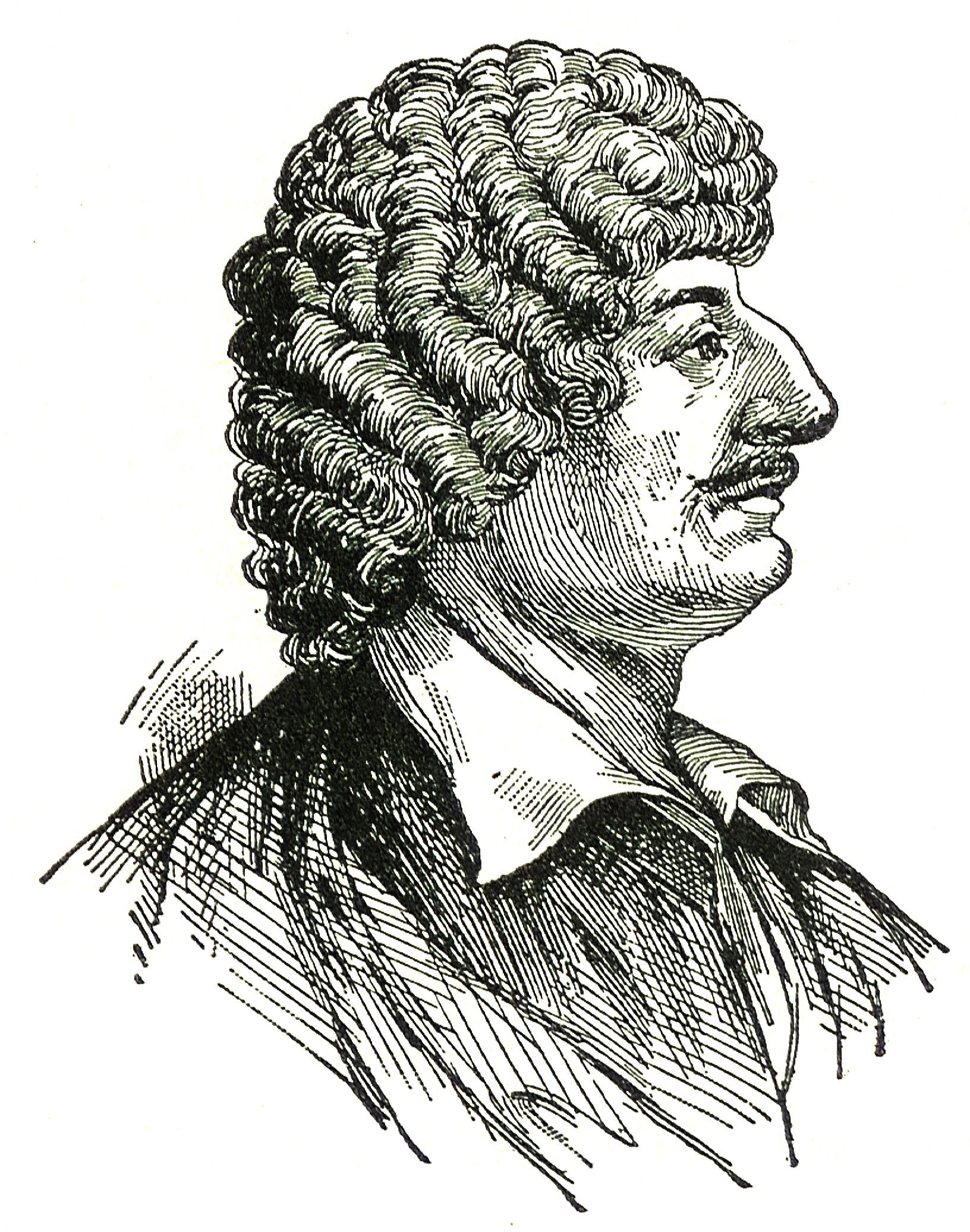
Robert Herrick – angielski poeta i duchowny, rojalista. Zaliczany do szkoły tzw. Cavalier Poets, autor głównie liryków miłosnych i epigramatów, kontynuator tradycji elżbietańskiej w poezji.
Urodził się jako siódme dziecko Nicholasa Herricka, zamożnego złotnika. W listopadzie 1592 Herrick został osierocony przez ojca, który wypadł z okna swego domu . Chociaż nie ma żadnego zapisu o uczęszczaniu Roberta Herricka do szkoły, jest prawdopodobne, że był uczniem szkoły w Westminster. W 1607 stał się czeladnikiem u swojego wuja, sir Williama Herricka, u którego szkolił się na złotnika.
W 1613 Herrick wstąpił do St John’s College w University of Cambridge, które ukończył w 1617. Studia kontynuował w kolegium Trinity Hall na tym samym uniwersytecie. 24 kwietnia 1623 Herrick przyjął święcenia i został kapelanem George'a Villiersa, księcia Buckingham, któremu towarzyszył w nieudanej wyprawie na Île de Ré w 1627 roku. W 1629 został wyznaczony przez władze kościelne na proboszcza parafii Dean Prior w hrabstwie Devon, którą to posadę niechętnie przyjął. Żył w zaciszu na prowincji, gdzie napisał swe najlepsze prace, tęskniąc jednakże za przyjemnościami Londynu.
Sławę zapewnił mu zbiór ponad 1200 liryków zatytułowany Hesperides . Za najpopularniejszy wiersz poety uchodzi utwór Świeże wiśnie. Większość postaci kobiet obecnych w jego poezji uważa się za fikcyjne.
Na język polski Herricka tłumaczył m.in. Stanisław Barańczak . Wikipedia

„Muza żyć ci pozwoli, kiedy świat zapomni
O pozbawionych Sławy, którą by Potomni
Uznali.”
Źródło: O sobie samym, tłum. Stanisław Barańczak
Źródło: Rozkosz w rozgardiaszu, tłum. Stanisław Barańczak
„Tak słodko i słowiczo głos twój się rozdzwania,
Że ucichłyby w piekle jęki i zgrzytania”
Źródło: Na głos Julii, tłum. Stanisław Barańczak
Robert Herrick książka Hesperides
"To Music, to becalm his Fever".
Hesperides (1648)
Robert Herrick książka Hesperides
"Upon Julia's Clothes".
Hesperides (1648)
Robert Herrick książka Hesperides
"To the Virgins to Make Much of Time". Compare: "Gather the rose of love whilest yet is time", Edmund Spenser, The Faerie Queene, book ii. canto xii. stanza 75. ; "Let us crown ourselves with rose-buds, before they be withered", Wisdom of Solomon, ii. 8.
Hesperides (1648)
Kontekst: Gather ye rosebuds while ye may,
Old Time is still a-flying,
And this same flower that smiles today
Tomorrow will be dying.
The glorious Lamp of Heaven, the Sun,
The higher he's a-getting
The sooner will his race be run,
And nearer he's to setting.
“Art quickens nature; care will make a face; Neglected beauty perisheth apace.”
Robert Herrick książka Hesperides
"Neglect".
Hesperides (1648)
Robert Herrick książka Hesperides
"God's Time Must End Our Trouble".
Hesperides (1648)
Robert Herrick książka Hesperides
"Delight in Disorder".
Hesperides (1648)
Robert Herrick książka Hesperides
"To Anthea: Ah, My Anthea!"
Hesperides (1648)
“I saw a flie within a beade
Of amber cleanly buried.”
Robert Herrick książka Hesperides
"The Amber Bead" (published c. 1648). Compare: "Whence we see spiders, flies, or ants entombed and preserved forever in amber, a more than royal tomb", Francis Bacon, Historia Vitæ et Mortis; Sylva Sylvarum, Cent. i. Exper. 100.
Hesperides (1648)
“Then while time serves, and we are but decaying.
Come, my Corinna, come, let's go a Maying.”
Robert Herrick książka Hesperides
"Corinna's Going a Maying" http://books.google.com/books?id=2epaAAAAMAAJ&q=%22Then+while+time+serves+and+we+are+but+decaying+come+my+Corinna+come+let's+goe+a+maying%22&pg=PA123#v=onepage. <br class="br">Hesperides (1648)
“You say to me-wards your affection's strong;
Pray love me little, so you love me long.”
Robert Herrick książka Hesperides
"Love Me Little, Love Me Long". Compare: "Love me little, love me long", Christopher Marlowe, The Jew of Malta, Act iv; "Me love you long time", 2 Live Crew, "Me So Horny" (sampled from the Stanley Kubrick film, Full Metal Jacket).
Hesperides (1648)
“Thus times do shift, each thing his turn does hold;
New things succeed, as former things grow old.”
Robert Herrick książka Hesperides
"Ceremonies for Candlemas Eve".
Hesperides (1648)
“What is a kiss? Why this, as some approve:
The sure, sweet cement, glue, and lime of love.”
Robert Herrick książka Hesperides
"A Kiss".
Hesperides (1648)
Robert Herrick książka Hesperides
Poem "To Dianeme" http://www.bartleby.com/106/88.html <br class="br">Hesperides (1648)
“Night makes no difference 'twixt the Priest and Clerk;
Joan as my Lady is as good i' the dark.”
Robert Herrick książka Hesperides
"No Difference i' th' Dark".
Hesperides (1648)
Robert Herrick książka Hesperides
"Ode for Ben Jonson".
Hesperides (1648)
“Get up, sweet Slug-a-bed, and see
The dew bespangling herb and tree.”
Robert Herrick książka Hesperides
"Corinna's Going A-Maying".
Hesperides (1648)
“Thus woe succeeds a woe, as wave a wave.”
Robert Herrick książka Hesperides
"Sorrows Succeed". Compare: "One woe doth tread upon another’s heel, So fast they follow", William Shakespeare, Hamlet, Act iv. Sc. 7.
Hesperides (1648)
“Tis sin,
Nay, profanation to keep in.”
Robert Herrick książka Hesperides
"Corinna's Going A-Maying".
Hesperides (1648)
Robert Herrick książka Hesperides
"The Night Piece to Julia".
Hesperides (1648)
Robert Herrick książka Hesperides
"Argument of His Book".
Hesperides (1648)
" To Blossoms http://www.bartleby.com/106/109.html".
Robert Herrick książka Hesperides
"The Rock of Rubies, and the Quarrie of Pearls".
Hesperides (1648)
Robert Herrick książka Hesperides
"To Daffadills".
Hesperides (1648)
“If well thou hast begun, go on fore-right
It is the end that crowns us, not the fight.”
Robert Herrick książka Hesperides
"The End".
Hesperides (1648)
Robert Herrick książka Hesperides
"The Rose" (published c. 1648). Compare: "Flower of all hue, and without thorn the rose", John Milton, Paradise Lost, book iv. line 256.; "Every rose has it's thorn", Poison, "Every Rose Has Its Thorn".
Hesperides (1648)
“Attempt the end, and never stand to doubt;
Nothing's so hard but search will find it out.”
Robert Herrick książka Hesperides
"Seek and Find". Compare: "Nil tam difficilest quin quærendo investigari possiet" (transalted as "Nothing is so difficult but that it may be found out by seeking"), Terence, Heautontimoroumenos, iv. 2, 8.
Hesperides (1648)
Robert Herrick książka Hesperides
"Corinna's Going A-Maying".
Hesperides (1648)
“A sweet disorder in the dress
Kindles in clothes a wantonness.”
Robert Herrick książka Hesperides
"Delight in Disorder".
Hesperides (1648)