„Ambasador to uczciwy człowiek, wysłany za granicę, by kłamać dla dobra swojego kraju.”
An ambassador is an honest man sent to lie abroad for the commonwealth. (ang.)
Źródło: Reliquiae Wottonainae, 1651
Sir Henry Wotton – angielski dyplomata, poeta.
Wotton pochodził ze znanej rodziny szlacheckiej, jego dziadkiem był dyplomata Nicholas Wotton. Kształcił się w Westminster, ukończył uniwersytet w Oxfordzie; podczas studiów zaprzyjaźnił się z Johnem Donne'em. W latach 1589–1595 roku przebywał za granicą, być może zajmując się też pracą wywiadowczą w służbie hrabiego Essexa, a po powrocie do Anglii został jego sekretarzem. Tuż przed aresztowaniem Essexa wyjechał na kilka lat do Włoch, co pozwoliło mu uniknąć kłopotów.
W 1604 roku został nobilitowany przez Jakuba I i mianowany ambasadorem w Wenecji. gdzie z krótkimi przerwami na inne misje dyplomatyczne przebywał do 1624 roku. Po powrocie do Anglii został przełożonym Eton College, które to stanowisko piastował aż do śmierci w grudniu 1639 roku.
Znany był z dowcipu, jest m.in. autorem bon motu "ambasador to uczciwy człowiek, którego wysyła się po to, by dla dobra swojego kraju kłamał za granicą". Był przyjacielem pisarzy i poetów, prócz wspomnianego już Donne'a także Bena Jonsona i Johna Miltona. Późniejszym biografem Wottona był także z nim zaprzyjaźniony Izaak Walton.
Zbiór pism Wottona, Reliquiae Wottonianae, został wydany pośmiertnie w 1651 roku. Wikipedia
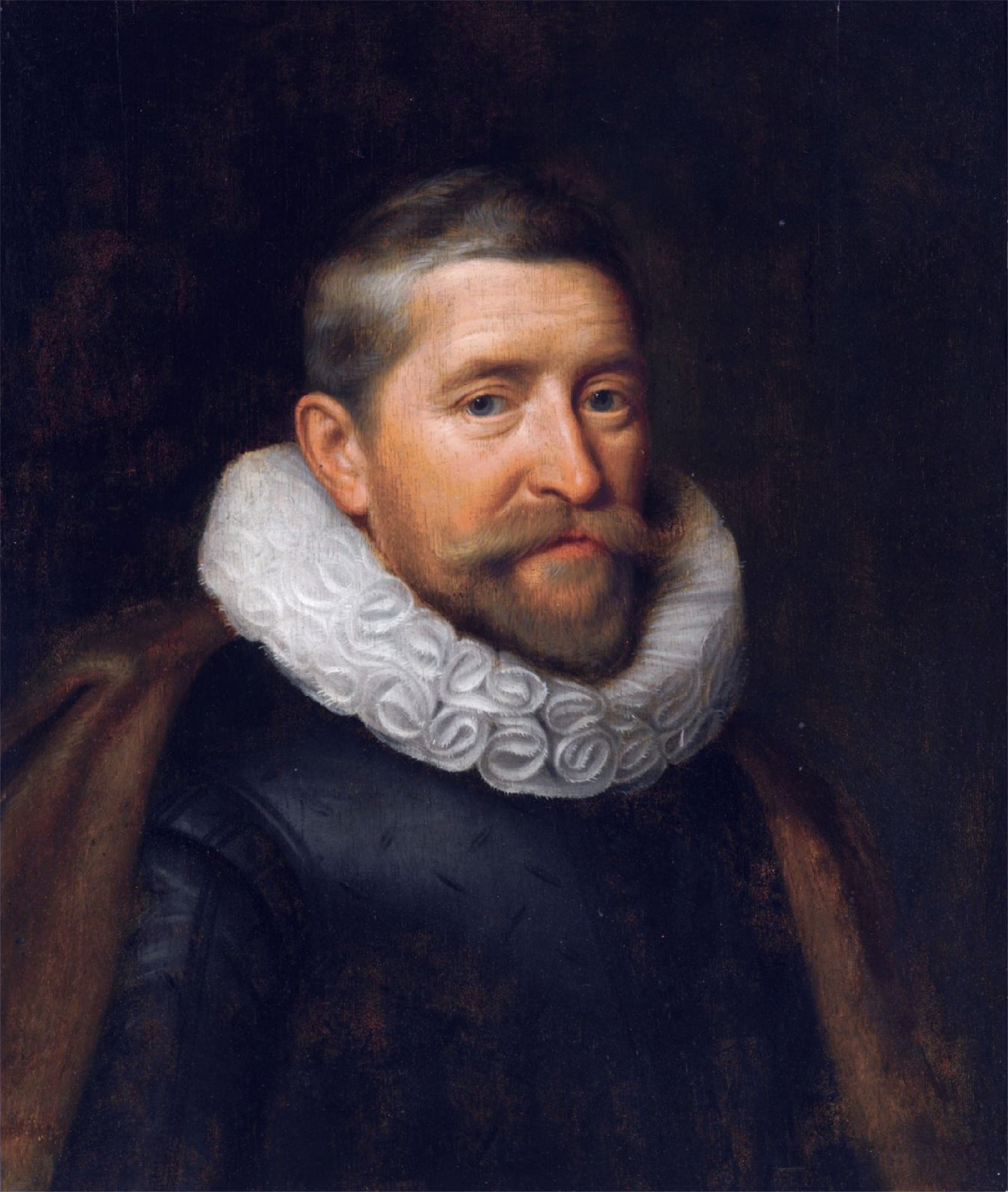
„Ambasador to uczciwy człowiek, wysłany za granicę, by kłamać dla dobra swojego kraju.”
An ambassador is an honest man sent to lie abroad for the commonwealth. (ang.)
Źródło: Reliquiae Wottonainae, 1651
“Lord of himself, though not of lands;
And having nothing, yet hath all.”
The Character of a Happy Life (1614), stanza 6. Compare: "As having nothing, and yet possessing all things", 2 Corinthians vi. 10.
“Advised a young diplomat "to tell the truth, and so puzzle and confound his enemies."”
Attributed. E.g., Vol 24, Encyclopedia Britannica of Arts, Sciences, and General Literature, page 721 https://books.google.com/books?id=_GlJAAAAYAAJ&pg=PA721&lpg=PA721&dq=truth+wotton+confound+advice&source=bl&ots=-cGk3UDLLj&sig=ltOR1xtI9WFic1JWKiFmIZ8Yce0&hl=en&sa=X&ved=0ahUKEwjVkZCsj-jRAhXCyFQKHTmsCkAQ6AEIODAG#v=onepage&q=truth%20wotton%20confound%20advice&f=false (9th Ed. 1894). <br class="br">Compare Mark Twain who, in Following the Equator, said "When in doubt, tell the truth" (which is often mis-quoted as containing an additional clause providing "it will confound your enemies and astound your friends").
“Love lodged in a woman's breast
Is but a guest.”
A Woman's Heart (1651).
“The itch of disputing will prove the scab of churches.”
A Panegyric to King Charles (1651).
“Hanging was the worst use a man could be put to.”
The Disparity Between Buckingham and Essex (1651).
On His Mistress, the Queen of Bohemia, stanza 1 (1624). In some versions "moon" replaces "sun". This was printed with music as early as 1624, in Est's "Sixth Set of Books", for example.
The Character of a Happy Life (1614), stanza 5.
“An ambassador is an honest man sent to lie abroad for the commonwealth.”
Reliquiae Wottonainae (1651). In a letter to Velserus, 1612, Wotton says, "This merry definition of an ambassador I had chanced to set down at my friend's, Mr. Christopher Fleckamore, in his Album".
“He first deceased; she for a little tried
To live without him, liked it not, and died.”
Upon the Death of Sir Albert Morton's Wife (1651).
“I am but a gatherer and disposer of other men's stuff.”
Preface to the Elements of Architecture (1624).
“Here lies the author of this phrase: "The itch for disputing is the sore of churches." Seek his name elsewhere.”
Hic jacet hujus sententiæ primus author:
DISPUTANDI PRURITUS ECCLESIARUM SCABIES.
Nomen alias quære.
The Character of a Happy Life (1614), stanza 1.


