“Gone before
To that unknown and silent shore.”
Hester (1803), st. 7.
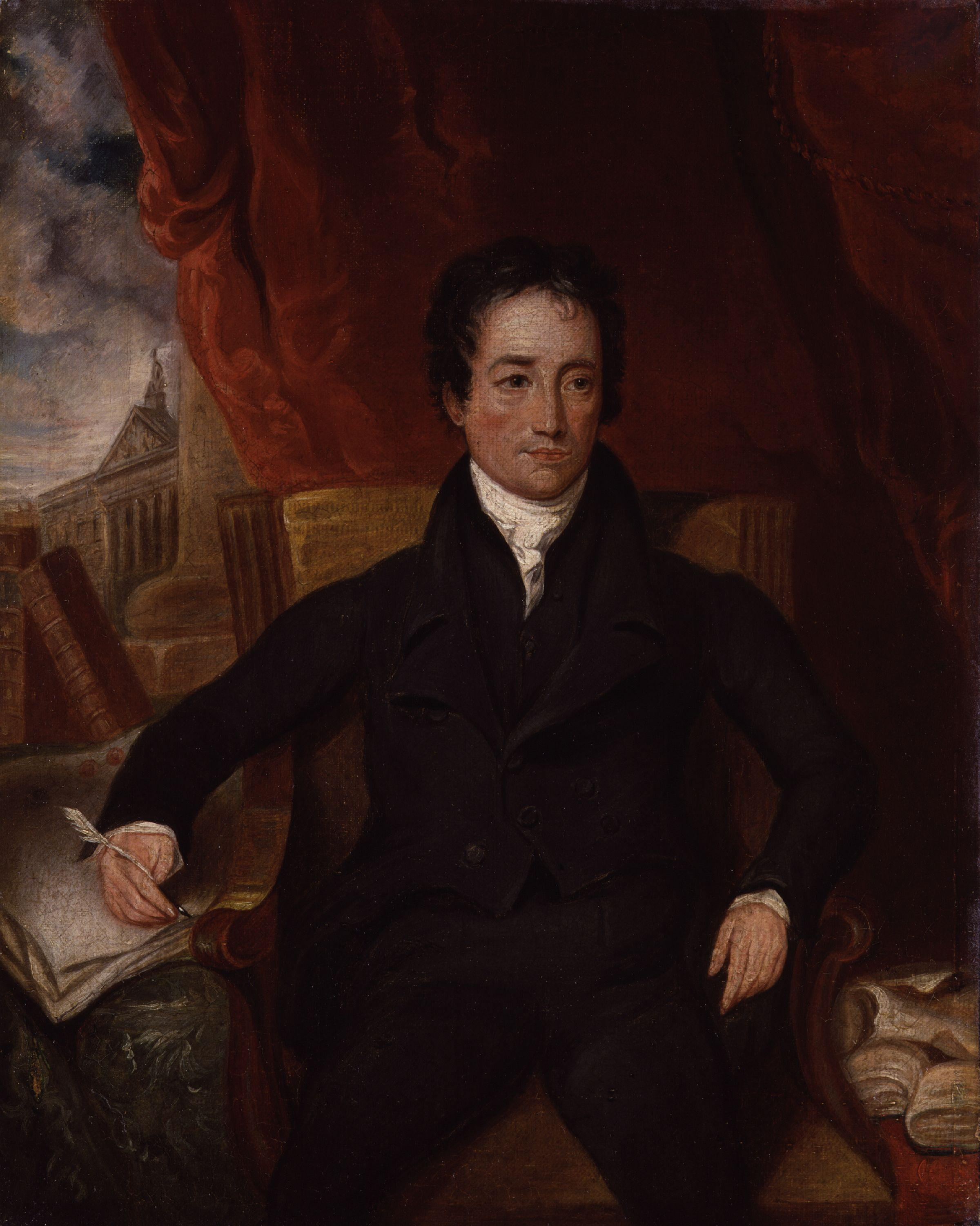
Charles Lamb – angielski pisarz i poeta, najbardziej znany jako autor esejów oraz książki dla dzieci Tales from Shakespeare , w której razem ze swoją siostrą, Mary Lamb, w jasny i przystępny dla młodych czytelników sposób przedstawił niektóre utwory Williama Szekspira. W innych pracach podejmował się krytyki utworów Szekspira.
Trudności finansowe, które pojawiły się w jego rodzinie, zmusiły go do podjęcia pracy w Brytyjskiej Kompanii Wschodnioindyjskiej w 1792 roku. Napisał wówczas m.in. utwór John Woodvil.
Jedna z jego sztuk, zatytułowana Mr H, była wystawiana w Theatre Royal przy Drury Lane. Wikipedia
“Gone before
To that unknown and silent shore.”
Hester (1803), st. 7.
“The good things of life are not to be had singly, but come to us with a mixture.”
Charles Lamb Last Essays of Elia
Popular Fallacies: XIII, That You Must Love Me and Love My Dog.
Last Essays of Elia (1833)
Charles Lamb książka Essays of Elia
Oxford in the Vacation.
Essays of Elia (1823)
“I have something more to do than to feel.”
Letter to Coleridge (September 27, 1796), after the death of Lamb's mother.
“A pun is a pistol let off at the ear; not a feather to tickle the intellect.”
Charles Lamb Last Essays of Elia
Popular Fallacies: IX, That the Worst Puns Are the Best.
Last Essays of Elia (1833)
“Not if I know myself at all.”
The Old and New Schoolmaster; reported in Bartlett's Familiar Quotations, 10th ed. (1919).
Charles Lamb Last Essays of Elia
“The superannuated man”
Last Essays of Elia (1833)
“Martin, if dirt was trumps, what hands you would hold!”
Lamb's Suppers; reported in Bartlett's Familiar Quotations, 10th ed. (1919).
Lamb in September 27, 1796. In his letter to Coleridge; after the family tragedy. As quoted in Works of Charles and Mary Lamb. Letters (1905).
“He might have proved a useful adjunct, if not an ornament to society.”
Captain Starkey; reported in Bartlett's Familiar Quotations, 10th ed. (1919).
Lamb's letter to Coleridge in Oct. 24th, 1796. As quoted in Works of Charles and Mary Lamb (1905). Letter 11.
Charles Lamb Last Essays of Elia
Detached Thoughts on Books and Reading.
Last Essays of Elia (1833)
“Riches are chiefly good because they give us time.”
cited in A Little Book of Aphorisms (New York: 1947), p. 186.
Letter to Wordsworth (1806); reported in Bartlett's Familiar Quotations, 10th ed. (1919).
Charles Lamb Last Essays of Elia
Detached Thoughts on Books and Reading.
Last Essays of Elia (1833)
Charles Lamb Last Essays of Elia
Detached Thoughts on Books and Reading; reported in Bartlett's Familiar Quotations, 10th ed. (1919)..
Last Essays of Elia (1833)
Letter to Bernard Barton (April 6, 1825), on leaving his "33 years' desk" at the East India House.
“This very night I am going to leave off Tobacco!”
Surely there must be some other world in which this unconquerable purpose shall be realized.
Letter to Thomas Manning (December 26, 1815)
Charles Lamb książka Essays of Elia
A Chapter on Ears.
Essays of Elia (1823)
They nothing see,
Themselves except, and creatures like themselves,
That liv'd short-sighted, impotent to save.
So on their dissolute spirits, soon or late,
Destruction cometh 'like an armed man,'
Or like a dream of murder in the night,
Withering their mortal faculties, & breaking
The bones of all their pride.
Living Without God In The World (1798)


