Thomas Flanagan (political scientist)
Power and Politics with Evan Solomon, CBC Newsworld, November 30, 2010, 6:10pm.
Thomas Eugene Flanagan is an American-born Canadian author, conservative political activist, and former political science professor at the University of Calgary. He also served as an advisor to Canadian prime minister Stephen Harper until 2004.
Flanagan has focused on challenging certain historical interpretations of Native and Métis history. In connection with his multi-year research and publications on Louis Riel, Flanagan published a reinterpretation of the North-West Rebellion, defending the federal government's response to Métis land claims. He began publishing works on Riel—leader of the 1885 North-West Resistance—in the 1970s, which evolved into a multi-year 'Louis Riel Project' that he coordinated. During the 2012 provincial elections he served as the campaign manager of the Wildrose Party, an Alberta libertarian/conservative provincial party.As part of his political activism, Flanagan began to write as a columnist in 1997 in The Globe and Mail, National Post, Calgary Herald, Ottawa Citizen, Maclean's, and Time. He regularly made appearances on Canadian television and radio as a commentator until January 2013, when he began a "research and scholarship leave" from the University of Calgary prior to his retirement. Wikipedia
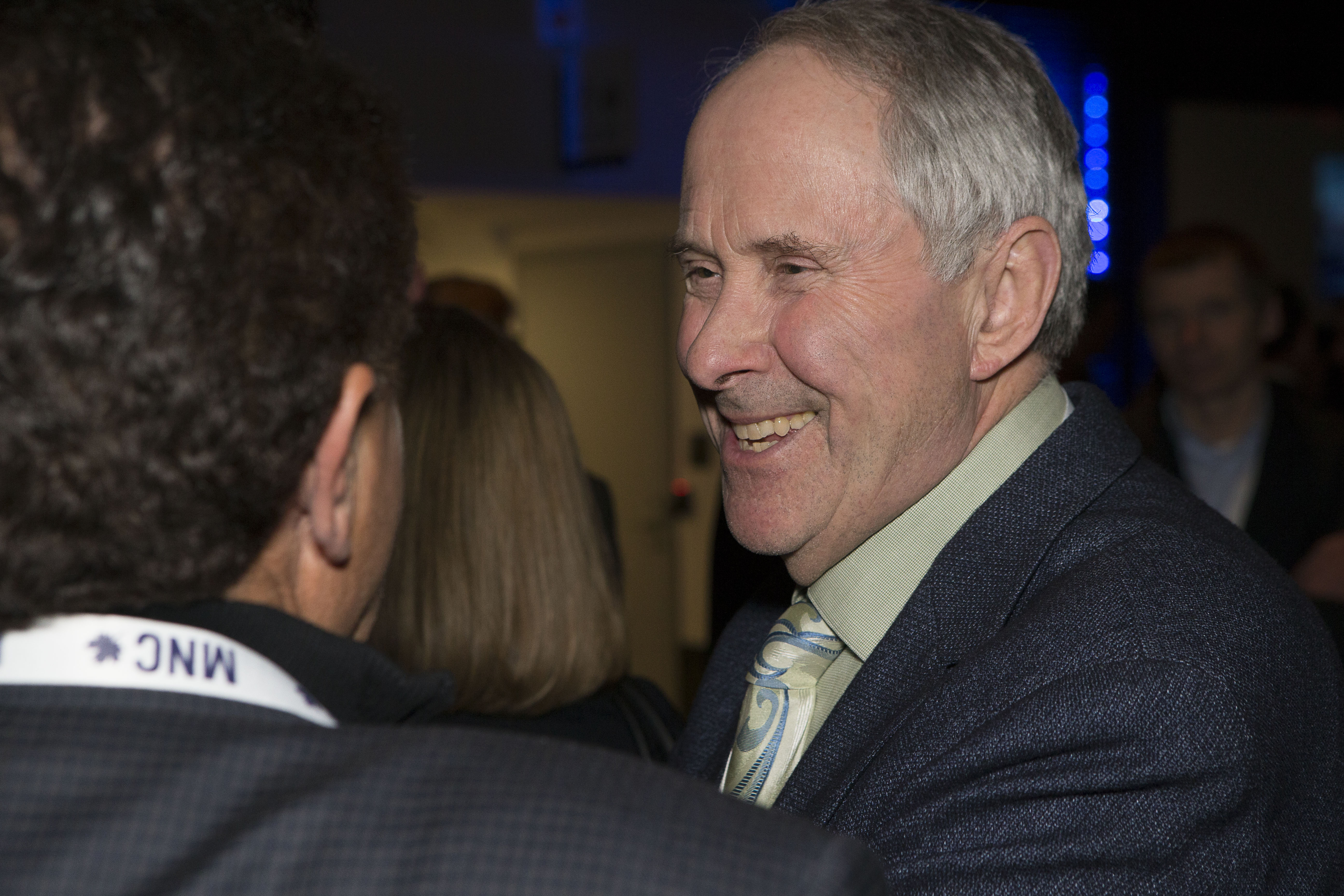
Thomas Flanagan (political scientist)
Power and Politics with Evan Solomon, CBC Newsworld, November 30, 2010, 6:10pm.
Thomas Flanagan (political scientist)
Source: Game Theory and Canadian Politics (1998), Chapter 2, Game Theory, p. 30.
Thomas Flanagan (political scientist)
Source: Game Theory and Canadian Politics (1998), Chapter 4, Models of Metrication, p. 58.
“Thomas Flanagan: Well I'm feeling pretty manly today…”
Thomas Flanagan (political scientist)
Power and Politics with Evan Solomon, CBC Newsworld, November 30, 2010, 6:10pm authenticate here: http://www.youtube.com/watch?v=VADui7m9rgw&feature=related
Thomas Flanagan (political scientist)
Source: Game Theory and Canadian Politics (1998), Chapter 5, How Many Are Too Many? Size of Coalitions, p. 88.
Thomas Flanagan (political scientist)
Source: Game Theory and Canadian Politics (1998), Chapter 1, Rational Choice, p. 19.
Thomas Flanagan (political scientist)
Source: Game Theory and Canadian Politics (1998), Chapter 8, Staying Power of the Status Quo, p. 138
Thomas Flanagan (political scientist)
Source: Game Theory and Canadian Politics (1998), Chapter 3, Stalemate At Lubicon Lake, p. 54.
Thomas Flanagan (political scientist)
Source: Game Theory and Canadian Politics (1998), Chapter 9, Invasion From The Right: Reform Party in 1993 Election, p. 142.
Thomas Flanagan (political scientist)
Source: Game Theory and Canadian Politics (1998), Chapter 10, What Have We Learned?, p. 170 (Last text line...).
“Canadian society' or the 'Canadian nation' cannot decide anything, because no one is in charge.”
Thomas Flanagan (political scientist)
Source: Game Theory and Canadian Politics (1998), Chapter 1, Rational Choice, p. 5
Thomas Flanagan (political scientist)
Source: Game Theory and Canadian Politics (1998), Chapter 8, Staying Power of the Status Quo, p. 120.
Thomas Flanagan (political scientist)
Source: Game Theory and Canadian Politics (1998), Chapter 10, What Have We Learned?, p. 164.
Thomas Flanagan (political scientist)
Source: Game Theory and Canadian Politics (1998), Chapter 4, Models of Metrication, p. 64.


