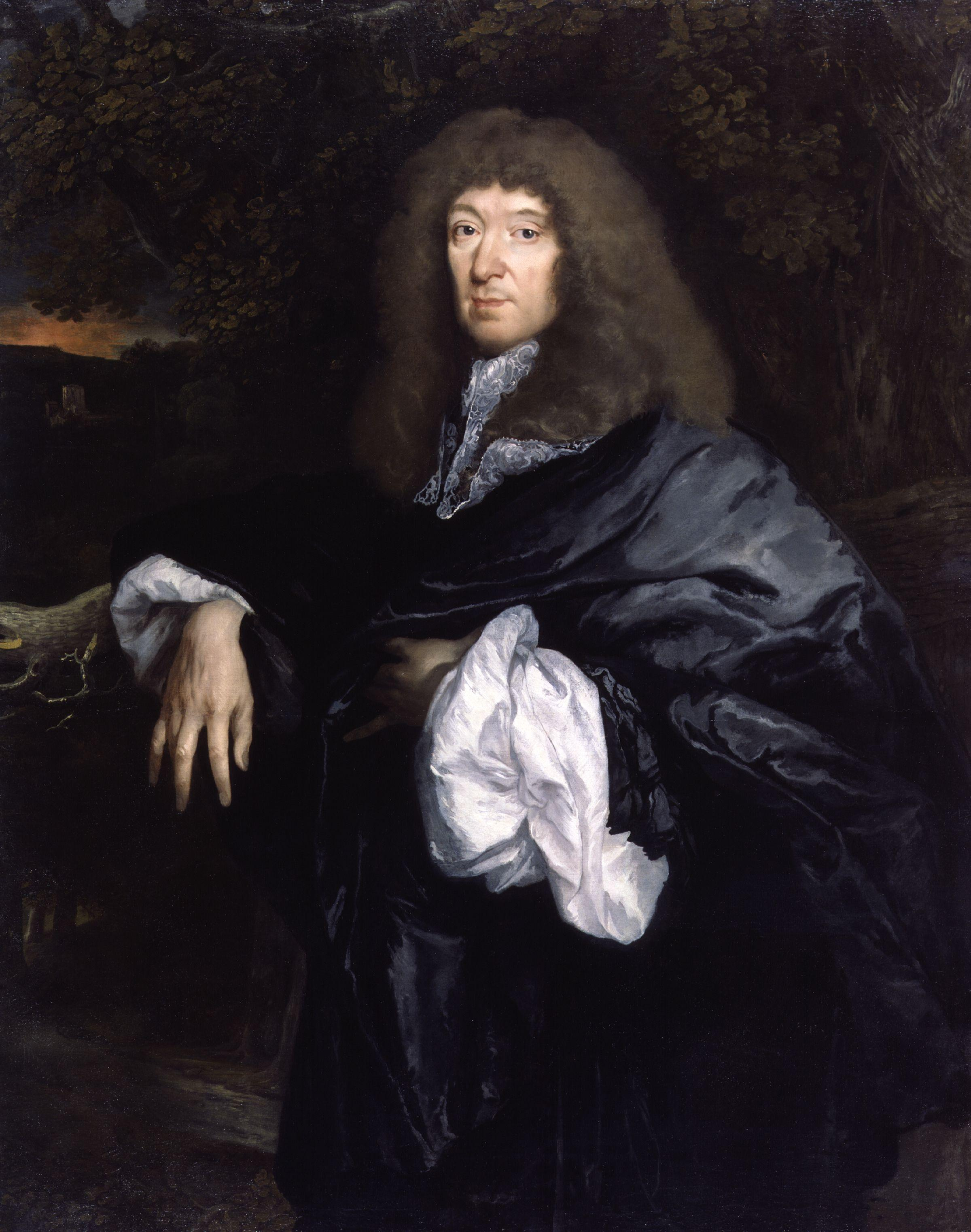
Samuel Butler (poet) Quotes

Samuel Butler was an English poet and satirist. He is remembered now chiefly for a long satirical poem titled Hudibras. Wikipedia  

✵ 3. February 1612 – 25. September 1680
Samuel Butler (poet) photo

Works

Hudibras
Samuel Butler (poet)
Hudibras
Samuel Butler (poet)
Samuel Butler (poet): 81 quotes1 like

Famous Samuel Butler (poet) Quotes

“Compound for sins they are inclin'd to,
By damning those they have no mind to”

Samuel Butler (poet) Hudibras

Canto I, line 189
Hudibras, Part I (1663–1664)
Context: For his Religion, it was fit
To match his learning and his wit;
'Twas Presbyterian true blue;
For he was of that stubborn crew
Of errant saints, whom all men grant
To be the true Church Militant;
Such as do build their faith upon
The holy text of pike and gun;
Decide all controversies by
Infallible artillery;
And prove their doctrine orthodox
By apostolic blows and knocks;
Call fire and sword and desolation,
A godly thorough reformation,
Which always must be carried on,
And still be doing, never done;
As if religion were intended
For nothing else but to be mended.
A sect, whose chief devotion lies
In odd perverse antipathies;
In falling out with that or this,
And finding somewhat still amiss;
More peevish, cross, and splenetick,
Than dog distract, or monkey sick.
That with more care keep holy-day
The wrong, than others the right way;
Compound for sins they are inclin'd to,
By damning those they have no mind to:
Still so perverse and opposite,
As if they worshipp'd God for spite.
The self-same thing they will abhor
One way, and long another for.
Free-will they one way disavow,
Another, nothing else allow:
All piety consists therein
In them, in other men all sin...

“And force them, though it was in spite
Of Nature and their stars, to write.”

Samuel Butler (poet)

Canto I, line 647
Source: Hudibras, Part I (1663–1664)

“Ay me! what perils do environ
The man that meddles with cold iron!”

Samuel Butler (poet)

Canto III, line 1
Source: Hudibras, Part I (1663–1664)

“A Babylonish dialect
Which learned pedants much affect.”

Samuel Butler (poet)

Canto I, line 93
Source: Hudibras, Part I (1663–1664)

“He ne'er consider'd it, as loth
To look a gift-horse in the mouth.”

Samuel Butler (poet)

Canto I, line 490
Source: Hudibras, Part I (1663–1664)

“Friend Ralph, thou hast
Outrun the constable at last.”

Samuel Butler (poet)

Canto III, line 1367
Source: Hudibras, Part I (1663–1664)

Samuel Butler (poet) Quotes about men

“All piety consists therein
In them, in other men all sin…”

Samuel Butler (poet) Hudibras

Canto I, line 189
Hudibras, Part I (1663–1664)
Context: For his Religion, it was fit
To match his learning and his wit;
'Twas Presbyterian true blue;
For he was of that stubborn crew
Of errant saints, whom all men grant
To be the true Church Militant;
Such as do build their faith upon
The holy text of pike and gun;
Decide all controversies by
Infallible artillery;
And prove their doctrine orthodox
By apostolic blows and knocks;
Call fire and sword and desolation,
A godly thorough reformation,
Which always must be carried on,
And still be doing, never done;
As if religion were intended
For nothing else but to be mended.
A sect, whose chief devotion lies
In odd perverse antipathies;
In falling out with that or this,
And finding somewhat still amiss;
More peevish, cross, and splenetick,
Than dog distract, or monkey sick.
That with more care keep holy-day
The wrong, than others the right way;
Compound for sins they are inclin'd to,
By damning those they have no mind to:
Still so perverse and opposite,
As if they worshipp'd God for spite.
The self-same thing they will abhor
One way, and long another for.
Free-will they one way disavow,
Another, nothing else allow:
All piety consists therein
In them, in other men all sin...

“When civil fury first grew high,
And men fell out, they knew not why;
When hard words, jealousies, and fears,
Set folks together by the ears,
And made them fight, like mad or drunk,
For Dame Religion, as for punk; Whose honesty they all durst swear for,
Though not a man of them knew wherefore:”

Samuel Butler (poet) Hudibras

Canto I, first lines
Hudibras, Part I (1663–1664)
Context: When civil fury first grew high,
And men fell out, they knew not why;
When hard words, jealousies, and fears,
Set folks together by the ears,
And made them fight, like mad or drunk,
For Dame Religion, as for punk; Whose honesty they all durst swear for,
Though not a man of them knew wherefore:
When Gospel-Trumpeter, surrounded
With long-ear'd rout, to battle sounded,
And pulpit, drum ecclesiastick,
Was beat with fist, instead of a stick;
Then did Sir Knight abandon dwelling,
And out he rode a colonelling.

“Like men condemn'd to thunder-bolts,
Who, ere the blow, become mere dolts;
Or fools besotted with their crimes,
That know not how to shift betimes,
And neither have the hearts to stay,
Nor wit enough to run away.”

Samuel Butler (poet) Hudibras

Hudibras, Part III (1678)
Context: We idly sit, like stupid blockheads,
Our hands committed to our pockets,
And nothing but our tongues at large,
To get the wretches a discharge:
Like men condemn'd to thunder-bolts,
Who, ere the blow, become mere dolts;
Or fools besotted with their crimes,
That know not how to shift betimes,
And neither have the hearts to stay,
Nor wit enough to run away.

“For he was of that stubborn crew
Of errant saints, whom all men grant
To be the true Church Militant;
Such as do build their faith upon
The holy text of pike and gun;
Decide all controversies by
Infallible artillery;
And prove their doctrine orthodox
By apostolic blows and knocks;
Call fire and sword and desolation,
A godly thorough reformation,
Which always must be carried on,
And still be doing, never done;
As if religion were intended
For nothing else but to be mended.”

Samuel Butler (poet) Hudibras

Canto I, line 189
Hudibras, Part I (1663–1664)
Context: For his Religion, it was fit
To match his learning and his wit;
'Twas Presbyterian true blue;
For he was of that stubborn crew
Of errant saints, whom all men grant
To be the true Church Militant;
Such as do build their faith upon
The holy text of pike and gun;
Decide all controversies by
Infallible artillery;
And prove their doctrine orthodox
By apostolic blows and knocks;
Call fire and sword and desolation,
A godly thorough reformation,
Which always must be carried on,
And still be doing, never done;
As if religion were intended
For nothing else but to be mended.
A sect, whose chief devotion lies
In odd perverse antipathies;
In falling out with that or this,
And finding somewhat still amiss;
More peevish, cross, and splenetick,
Than dog distract, or monkey sick.
That with more care keep holy-day
The wrong, than others the right way;
Compound for sins they are inclin'd to,
By damning those they have no mind to:
Still so perverse and opposite,
As if they worshipp'd God for spite.
The self-same thing they will abhor
One way, and long another for.
Free-will they one way disavow,
Another, nothing else allow:
All piety consists therein
In them, in other men all sin...

“He cou'd foretel whats'ever was
By consequence to come to pass;
As death of great men, alterations,
Diseases, battles, inundations.
All this, without th' eclipse o' th' sun,
Or dreadful comet, he hath done,
By inward light; away as good,
And easy to be understood;”

Samuel Butler (poet) Hudibras

Hudibras, Part I (1663–1664)
Context: He cou'd foretel whats'ever was
By consequence to come to pass;
As death of great men, alterations,
Diseases, battles, inundations.
All this, without th' eclipse o' th' sun,
Or dreadful comet, he hath done,
By inward light; away as good,
And easy to be understood;
But with more lucky hit than those
That use to make the stars depose,
Like Knights o' th' post, and falsely charge
Upon themselves what others forge:
As if they were consenting to
All mischiefs in the world men do:
Or, like the Devil, did tempt and sway 'em
To rogueries, and then betray 'em.

Samuel Butler (poet): Trending quotes

“Whatever sceptic could inquire for,
For ev'ry why he had a wherefore;”

Samuel Butler (poet) Hudibras

Canto I, line 131
Hudibras, Part I (1663–1664)
Context: Whatever sceptic could inquire for,
For ev'ry why he had a wherefore;
Knew more than forty of them do,
As far as words and terms cou'd go.
All which he understood by rote
And, as occasion serv'd, would quote;
No matter whether right or wrong,
They might be either said or sung.
His notions fitted things so well,
That which was which he could not tell;
But oftentimes mistook th' one
For th' other, as great clerks have done.

“For rhetoric, he could not ope
His mouth, but out there flew a trope;
And when he happen'd to break off
I' th' middle of his speech, or cough,
H' had hard words,ready to show why,
And tell what rules he did it by;”

Samuel Butler (poet) Hudibras

Canto I, line 81
Hudibras, Part I (1663–1664)
Context: For rhetoric, he could not ope
His mouth, but out there flew a trope;
And when he happen'd to break off
I' th' middle of his speech, or cough,
H' had hard words, ready to show why,
And tell what rules he did it by;
Else, when with greatest art he spoke,
You'd think he talk'd like other folk,
For all a rhetorician's rules
Teach nothing but to name his tools.

“For all a rhetorician's rules
Teach nothing but to name his tools.”

Samuel Butler (poet) Hudibras

Canto I, line 81
Hudibras, Part I (1663–1664)
Context: For rhetoric, he could not ope
His mouth, but out there flew a trope;
And when he happen'd to break off
I' th' middle of his speech, or cough,
H' had hard words, ready to show why,
And tell what rules he did it by;
Else, when with greatest art he spoke,
You'd think he talk'd like other folk,
For all a rhetorician's rules
Teach nothing but to name his tools.

Samuel Butler (poet) Quotes

“What did we else, but make a vow
To do we know not what, nor how?”

Samuel Butler (poet) Hudibras

Hudibras, Part I (1663–1664)
Context: They'll say our bus'ness, to reform
The Church and State, is but a worm;
For to subscribe, unsight, unseen,
To an unknown Church-discipline,
What is it else, but before-hand
T'engage, and after understand?
For when we swore to carry on
The present Reformation,
According to the purest mode
Of Churches best reformed abroad,
What did we else, but make a vow
To do we know not what, nor how?

“His notions fitted things so well,
That which was which he could not tell;
But oftentimes mistook th' one
For th' other, as great clerks have done.”

Samuel Butler (poet) Hudibras

Canto I, line 131
Hudibras, Part I (1663–1664)
Context: Whatever sceptic could inquire for,
For ev'ry why he had a wherefore;
Knew more than forty of them do,
As far as words and terms cou'd go.
All which he understood by rote
And, as occasion serv'd, would quote;
No matter whether right or wrong,
They might be either said or sung.
His notions fitted things so well,
That which was which he could not tell;
But oftentimes mistook th' one
For th' other, as great clerks have done.

“They'll say our bus'ness, to reform
The Church and State, is but a worm;
For to subscribe, unsight, unseen,
To an unknown Church-discipline,
What is it else, but before-hand
T'engage, and after understand?”

Samuel Butler (poet) Hudibras

Hudibras, Part I (1663–1664)
Context: They'll say our bus'ness, to reform
The Church and State, is but a worm;
For to subscribe, unsight, unseen,
To an unknown Church-discipline,
What is it else, but before-hand
T'engage, and after understand?
For when we swore to carry on
The present Reformation,
According to the purest mode
Of Churches best reformed abroad,
What did we else, but make a vow
To do we know not what, nor how?

“Each window like a pill'ry appears,
With heads thrust thro' nail'd by the ears.”

Samuel Butler (poet)

Canto III, line 391
Source: Hudibras, Part II (1664)

“Nor do I know what is become
Of him, more than the Pope of Rome.”

Samuel Butler (poet)

Canto III, line 263
Source: Hudibras, Part I (1663–1664)

“Nick Machiavel had ne'er a trick,
Though he gave his name to our Old Nick.”

Samuel Butler (poet)

Canto I, line 1313
Source: Hudibras, Part III (1678)

“Love in your hearts as idly burns
As fire in antique Roman urns.”

Samuel Butler (poet)

Canto I, line 309
Source: Hudibras, Part II (1664)

“Cheer'd up himself with ends of verse
And sayings of philosophers.”

Samuel Butler (poet)

Canto III, line 1011
Source: Hudibras, Part I (1663–1664)

“When pious frauds and holy shifts
Are dispensations and gifts.”

Samuel Butler (poet)

Canto III, line 1145
Source: Hudibras, Part I (1663–1664)

“With mortal crisis doth portend
My days to appropinque an end.”

Samuel Butler (poet)

Canto III, line 589
Source: Hudibras, Part I (1663–1664)

“We grant, although he had much wit,
He was very shy of using it.”

Samuel Butler (poet)

Canto I, line 45
Source: Hudibras, Part I (1663–1664)

“He made an instrument to know
If the moon shine at full or no.”

Samuel Butler (poet)

Canto III, line 261
Source: Hudibras, Part II (1664)

“Quoth Hudibras, "I smell a rat!
Ralpho, thou dost prevaricate."”

Samuel Butler (poet)

Canto I, line 821
Source: Hudibras, Part I (1663–1664)

“There are more fools than knaves in the world, else the knaves would not have enough to live upon.”

Samuel Butler (poet)

The Genuine Remains in Verse and Prose of Mr. Samuel Butler (1759), edited by Robert Thyer

“Doubtless the pleasure is as great
Of being cheated as to cheat.”

Samuel Butler (poet)

Canto III, line 1
Source: Hudibras, Part II (1664)

“While the honour thou hast got
Is spick and span new.”

Samuel Butler (poet)

Canto III, line 398
Source: Hudibras, Part I (1663–1664)

“To swallow gudgeons ere they 're catch'd,
And count their chickens ere they're hatch'd.”

Samuel Butler (poet)

Canto III, line 923
Source: Hudibras, Part II (1664)

“With books and money plac'd for show
Like nest-eggs to make clients lay,
And for his false opinion pay.”

Samuel Butler (poet)

Canto III, line 624
Source: Hudibras, Part III (1678)

“Why should not conscience have vacation
As well as other courts o' th' nation?”

Samuel Butler (poet)

Canto II, line 317
Source: Hudibras, Part II (1664)

“These reasons made his mouth to water.”

Samuel Butler (poet)

Canto III, line 379
Source: Hudibras, Part I (1663–1664)

“With many a stiff thwack, many a bang,
Hard crab-tree and old iron rang.”

Samuel Butler (poet)

Canto II, line 831
Source: Hudibras, Part I (1663–1664)

“But still his tongue ran on, the less
Of weight it bore, with greater ease.”

Samuel Butler (poet)

Canto II, line 443
Source: Hudibras, Part III (1678)

“For those that fly may fight again,
Which he can never do that's slain.”

Samuel Butler (poet)

Canto III, line 243
Source: Hudibras, Part III (1678)

“Love is a boy by poets styl'd;
Then spare the rod and spoil the child.”

Samuel Butler (poet)

Canto I, line 843
Source: Hudibras, Part II (1664)

“Where entity and quiddity,
The ghosts of defunct bodies, fly.”

Samuel Butler (poet)

Canto I, line 145
Source: Hudibras, Part I (1663–1664)

“Quoth she, I 've heard old cunning stagers
Say fools for arguments use wagers.”

Samuel Butler (poet)

Canto I, line 297
Source: Hudibras, Part II (1664)

“Who thought he 'd won
The field as certain as a gun.”

Samuel Butler (poet)

Canto III, line 11
Source: Hudibras, Part I (1663–1664)

“Like feather bed betwixt a wall
And heavy brunt of cannon ball.”

Samuel Butler (poet)

Canto II, line 872
Source: Hudibras, Part I (1663–1664)

“For truth is precious and divine,—
Too rich a pearl for carnal swine.”

Samuel Butler (poet)

Canto II, line 257
Source: Hudibras, Part II (1664)

“There 's but the twinkling of a star
Between a man of peace and war.”

Samuel Butler (poet)

Canto III, line 957
Source: Hudibras, Part II (1664)

“He knew what 's what, and that 's as high
As metaphysic wit can fly.”

Samuel Butler (poet)

Canto I, line 149
Source: Hudibras, Part I (1663–1664)

“As men of inward light are wont
To turn their optics in upon 't.”

Samuel Butler (poet)

Canto I, line 481
Source: Hudibras, Part III (1678)

“True as the dial to the sun,
Although it be not shin'd upon.”

Samuel Butler (poet)

Canto II, line 175
Source: Hudibras, Part III (1678)

“Or shear swine, all cry and no wool.”

Samuel Butler (poet)

Canto I, line 852
Source: Hudibras, Part I (1663–1664)

“Have always been at daggers-drawing,
And one another clapper-clawing.”

Samuel Butler (poet)

Canto II, line 79
Source: Hudibras, Part II (1664)

Similar authors

Jonathan Swift photo
Jonathan Swift141
Anglo-Irish satirist, essayist, and poet None
Georg Christoph Lichtenberg photo
Georg Christoph Lichtenberg137
German scientist, satirist None
Richard Brinsley Sheridan photo
Richard Brinsley Sheridan58
Irish-British politician, playwright and writer None
Matthias Claudius photo
Matthias Claudius1
German poet None
Robert Burns photo
Robert Burns114
Scottish poet and lyricist None
Novalis photo
Novalis102
German poet and writer None
John Donne photo
John Donne115
English poet None
Alexander Pope photo
Alexander Pope158
eighteenth century English poet None
Johann Gottfried Herder photo
Johann Gottfried Herder18
German philosopher, theologian, poet, and literary critic None
Jean De La Fontaine photo
Jean De La Fontaine47
French poet, fabulist and writer. None