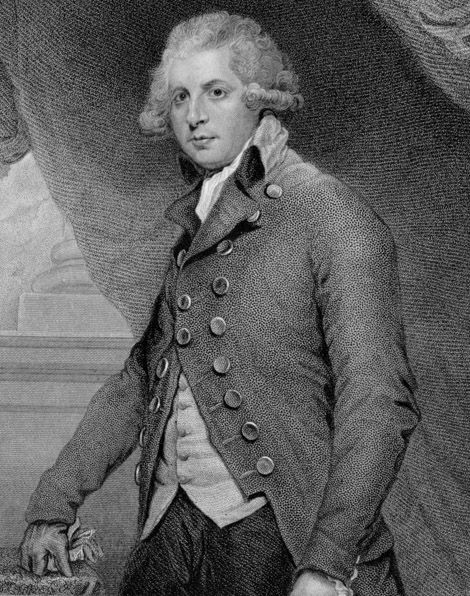
Works
The Rivals
Richard Brinsley Sheridan
The Critic
Richard Brinsley SheridanThe School for Scandal
Richard Brinsley SheridanThe Rivals
Richard Brinsley SheridanThe Critic
Richard Brinsley SheridanThe School for Scandal
Richard Brinsley SheridanFamous Richard Brinsley Sheridan Quotes
“You're our enemy; lead the way, and we 'll precede.”
Richard Brinsley Sheridan The Rivals
Act V, sc. i.
The Rivals (1775)
“Illiterate him, I say, quite from your memory.”
Richard Brinsley Sheridan The Rivals
Act I, sc. ii.
The Rivals (1775)
“The number of those who undergo the fatigue of judging for themselves is very small indeed.”
Richard Brinsley Sheridan The Critic
Act I, sc. ii.
Source: The Critic (1779)
“Never say more than is necessary.”
Richard Brinsley Sheridan The Rivals
Act II, sc. i.
The Rivals (1775)
Richard Brinsley Sheridan Quotes about love
“An oyster may be crossed in love.”
Richard Brinsley Sheridan The Critic
Clio's Protest (1819).
The Critic (1779)
Richard Brinsley Sheridan: Trending quotes
“Tale-bearers are as bad as the tale-makers.”
Richard Brinsley Sheridan The School for Scandal
Act I, sc. i.
Source: The School for Scandal (1777)
Richard Brinsley Sheridan The Rivals
Act IV, sc. iii.
The Rivals (1775)
Sheridaniana, Speech in Reply to Mr. Dundas.
Richard Brinsley Sheridan Quotes
“Sheer necessity,—the proper parent of an art so nearly allied to invention.”
Richard Brinsley Sheridan The Critic
Act I, sc. ii.
The Critic (1779)
“There is not a passion so strongly rooted in the human heart as envy.”
Richard Brinsley Sheridan The Critic
Act I, sc. i.
The Critic (1779)
“An unforgiving eye, and a damned disinheriting countenance.”
Richard Brinsley Sheridan The School for Scandal
Act IV, sc. i.
The School for Scandal (1777)
“While his off-heel, insidiously aside,
Provokes the caper which he seems to chide.”
Pizarro (first acted 24 May 1799), Prologue.
“The Spanish fleet thou canst not see, because—it is not yet in sight!”
Richard Brinsley Sheridan The Critic
Act II, sc. ii.
The Critic (1779)
“He is the very pineapple of politeness!”
Richard Brinsley Sheridan The Rivals
Act III, sc. iii.
The Rivals (1775)
“I leave my character behind me.”
Richard Brinsley Sheridan The School for Scandal
Act II, sc. ii.
The School for Scandal (1777)
Richard Brinsley Sheridan The School for Scandal
Act V, sc. i.
The School for Scandal (1777)
“An apothecary should never be out of spirits.”
St. Patrick's Day (1775), Act I, sc. i.
Reported in Nicholas Harris Nicolas, The Carcanet: a Literary Album, Containing Select Passages from the Most Distinguished English Writers (1828), p. 132.
“You are not like Cerberus, three gentlemen at once, are you?”
Richard Brinsley Sheridan The Rivals
Act IV, sc. ii.
The Rivals (1775)
“Death's a debt; his mandamus binds all alike — no bail, no demurrer.”
St. Patrick's Day (1775), Act II, sc. iv.
“I ne'er could any luster see
In eyes that would not look on me.”
Act I, sc. ii.
The Duenna (1775)
“Where they do agree on the stage, their unanimity is wonderful.”
Richard Brinsley Sheridan The Critic
Act II, sc. ii.
The Critic (1779)
“Certainly nothing is unnatural that is not physically impossible.”
Richard Brinsley Sheridan The Critic
Act II, sc. i.
The Critic (1779)
“Here is the whole set! a character dead at every word.”
Richard Brinsley Sheridan The School for Scandal
Act II, sc. ii.
The School for Scandal (1777)
Pizarro (first acted 24 May 1799), Act iv, Scene 1. Compare: "Who well lives, long lives; for this age of ours / Should not be numbered by years, daies, and hours", Guillaume de Salluste Du Bartas, Second Week, Fourth Day, Book ii.
“Conscience has no more to do with gallantry than it has with politics.”
Act II, sc. iv.
The Duenna (1775)
“A practitioner in panegyric, or, to speak more plainly, a professor of the art of puffing.”
Richard Brinsley Sheridan The Critic
Act I, sc. ii.
The Critic (1779)
“A bumper of good liquor
Will end a contest quicker
Than justice, judge, or vicar.”
Act I, sc. iii.
The Duenna (1775)
“As headstrong as an allegory on the banks of the Nile.”
Richard Brinsley Sheridan The Rivals
Act III, sc. iii.
The Rivals (1775)
“No scandal about Queen Elizabeth, I hope?”
Richard Brinsley Sheridan The Critic
Act II, sc. i.
The Critic (1779)
“Egad, I think the interpreter is the hardest to be understood of the two!”
Richard Brinsley Sheridan The Critic
Act I, sc. ii.
The Critic (1779)
Richard Brinsley Sheridan The School for Scandal
Act III, sc. iii.
The School for Scandal (1777)
“You had no taste when you married me.”
Richard Brinsley Sheridan The School for Scandal
Act I, sc. ii.
The School for Scandal (1777)
“A circulating library in a town is as an evergreen tree of diabolical knowledge.”
Richard Brinsley Sheridan The Rivals
Act III, sc. i.
The Rivals (1775)
“No caparisons, miss, if you please. Caparisons don't become a young woman.”
Richard Brinsley Sheridan The Rivals
Act IV, sc. ii.
The Rivals (1775)
“I wish, sir, you would practice this without me. I can't stay dying here all night.”
Richard Brinsley Sheridan The Critic
Act III, sc. i.
The Critic (1779)
“Such protection as vultures give to lambs.”
Pizarro (first acted 24 May 1799), Act ii, scene 2.
“There's nothing like being used to a thing.”
Richard Brinsley Sheridan The Rivals
Act V, sc. iii.
The Rivals (1775)
“Inconsolable to the minuet in Ariadne.”
Richard Brinsley Sheridan The Critic
Act II, sc. ii.
The Critic (1779)
“Had I a heart for falsehood framed,
I ne'er could injure you.”
Act I, sc. v.
The Duenna (1775)
“I know you are laughing in your sleeve.”
Richard Brinsley Sheridan The Rivals
Act II, sc. i.
The Rivals (1775)
“Tis safest in matrimony to begin with a little aversion.”
Richard Brinsley Sheridan The Rivals
Act I, sc. ii.
The Rivals (1775)
Richard Brinsley Sheridan The School for Scandal
Act I, sc. i.
The School for Scandal (1777)
“My valour is certainly going!”
Richard Brinsley Sheridan The Rivals
it is sneaking off! I feel it oozing out, as it were, at the palm of my hands!
Act V, sc. iii.
The Rivals (1775)
Speech in the House of Commons (21 July 1812), quoted in The Parliamentary Debates from the Year 1803 to the Present Time, Vol. XXIII (1812), column 1156


