“For what is worth in anything
But so much money as 't will bring?”
Canto I, line 465
Source: Hudibras, Part II (1664)
Samuel Butler was an English poet and satirist. He is remembered now chiefly for a long satirical poem titled Hudibras. Wikipedia
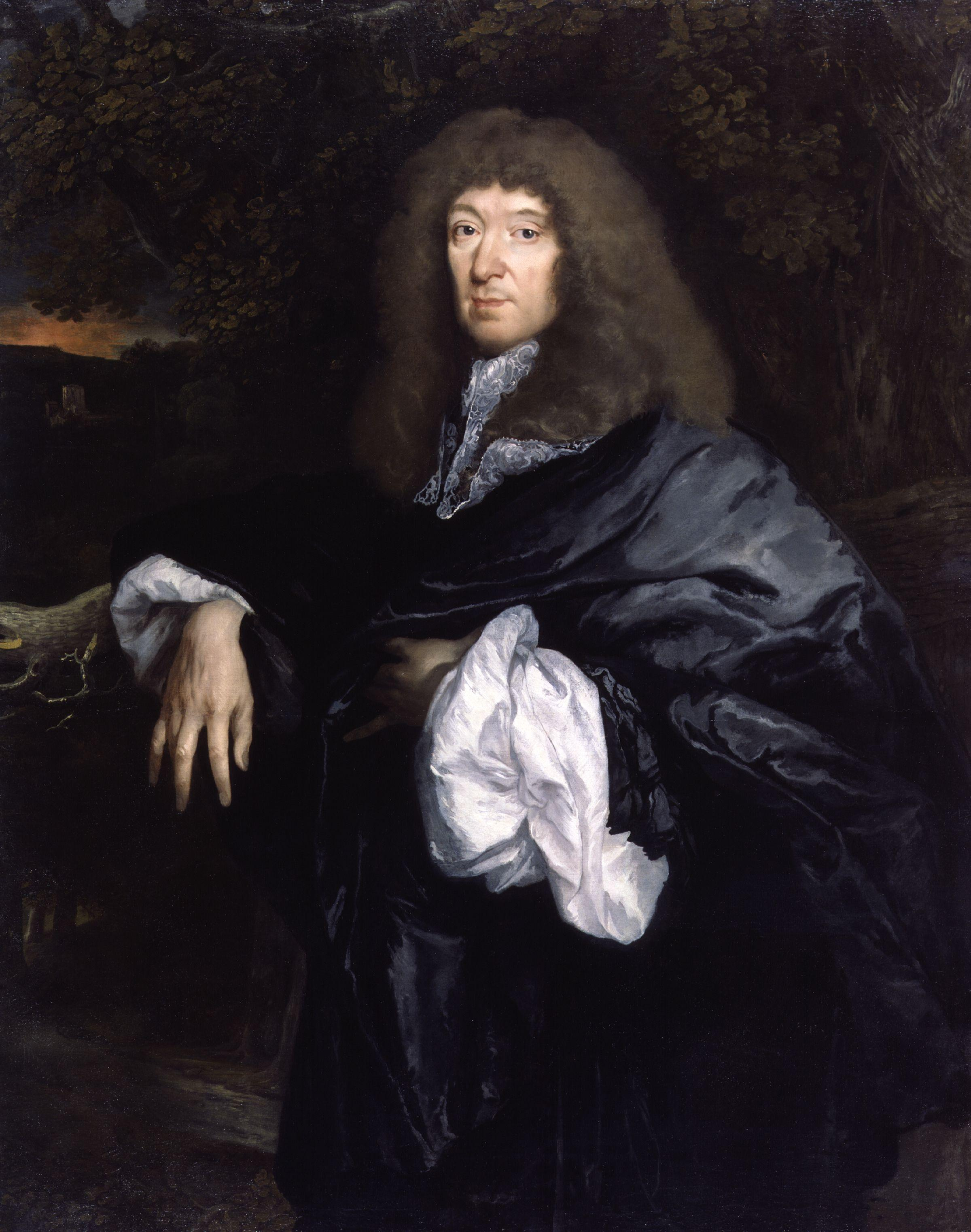
“For what is worth in anything
But so much money as 't will bring?”
Canto I, line 465
Source: Hudibras, Part II (1664)
“For those that run away and fly,
Take place at least o' the enemy.”
Canto III, line 609
Source: Hudibras, Part I (1663–1664)
Canto I, line 159
Source: Hudibras, Part I (1663–1664)
“I am not now in fortune's power:
He that is down can fall no lower.”
Canto III, line 877
Source: Hudibras, Part I (1663–1664)
"Miscellaneous Thoughts" in The Poems of Samuel Butler, Volume 2, Press of C. Whittingham, 1822, p. 269
"Fragments", reported in Bartlett's Familiar Quotations, 10th ed. (1919)
“No Indian prince has to his palace
More followers than a thief to the gallows.”
Canto I, line 273
Source: Hudibras, Part II (1664)
“For Rhime the Rudder is of Verses,
With which like Ships they steer their courses.”
Canto I, line 463
Source: Hudibras, Part I (1663–1664)
“I 'll make the fur
Fly 'bout the ears of the old cur.”
Canto III, line 277
Source: Hudibras, Part I (1663–1664)
Canto I, line 65
Source: Hudibras, Part I (1663–1664)
“He had got a hurt
O' the inside, of a deadlier sort.”
Canto III, line 309
Source: Hudibras, Part I (1663–1664)
“He that complies against his will.
Is of his own opinion still.”
Canto III, line 547. Sometimes misreported as "is convinced" instead of "complies"; reported in Paul F. Boller, Jr., and John George, They Never Said It: A Book of Fake Quotes, Misquotes, & Misleading Attributions (1989), p. 11
Source: Hudibras, Part III (1678)
Hudibras, Part I (1663–1664)
Context: Shall we that in the Cov'nant swore,
Each man of us to run before
Another, still in Reformation,
Give dogs and bears a dispensation?
How will Dissenting Brethren relish it?
What will malignants say? videlicet,
That each man Swore to do his best,
To damn and perjure all the rest!
And bid the Devil take the hin'most,
Which at this race is like to win most.
“Still amorous and fond and billing,
Like Philip and Mary on a shilling.”
Canto I, line 687
Source: Hudibras, Part III (1678)
From Miscellaneous Thoughts, lines 283-290 ; as contained in The Poetical Works of Samuel Butler: A Revised Edition with Memoir and Notes, Volume 2, Samuel Butler, G. Bell & Sons (1893), pp. 275-276


