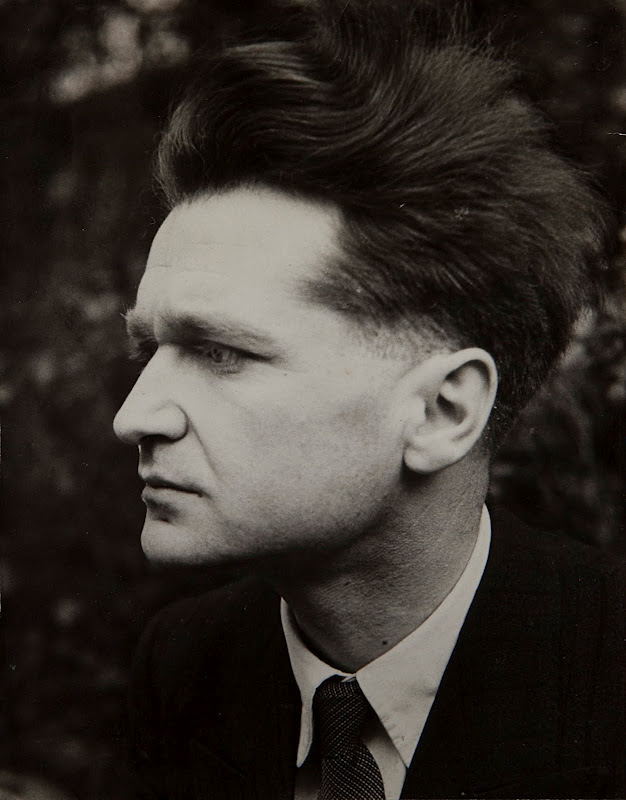
Emil M. Cioran Quotes
“Consciousness is much more than the thorn, it is the dagger in the flesh.”
Emil M. Cioran book The Trouble With Being Born
The Trouble With Being Born (1973)
Emil M. Cioran book The Trouble With Being Born
The Trouble With Being Born (1973)
Source: The Trouble with Being Born
“Revenge is not always sweet: once it is consummated we feel inferior to our victim.”
Emil M. Cioran book History and Utopia
History and Utopia (1960)
“By all evidence we are in the world to do nothing.”
Emil M. Cioran book A Short History of Decay
A Short History of Decay (1949)
Emil M. Cioran book The Trouble With Being Born
The Trouble With Being Born (1973)
Source: The Trouble with Being Born
“The true hero fights and dies in the name of his destiny, and not in the name of a belief.”
Emil M. Cioran book A Short History of Decay
Source: A Short History of Decay (1949)
“Nostalgia, more than anything, gives us the shudder of our own imperfection.”
The Book of Delusions (1936)
“I long to be free — desperately free. Free as the stillborn are free.”
The Trouble With Being Born (1973)
Source: On the Heights of Despair
“We are born to exist, not to know, to be, not to assert ourselves.”
Emil M. Cioran book History and Utopia
History and Utopia (1960)
“We have lost, being born, as much as we shall lose, dying. Everything.”
Emil M. Cioran book The Trouble With Being Born
The Trouble With Being Born (1973)
Source: The Trouble with Being Born
Emil M. Cioran book The Trouble With Being Born
The Trouble With Being Born (1973)
Source: The Trouble with Being Born
“Between Ennui and Ecstasy unwinds our whole experience of time.”
Source: All Gall Is Divided: Aphorisms
Emil M. Cioran book The Trouble With Being Born
The Trouble With Being Born (1973)
Source: The Trouble with Being Born
On the Heights of Despair (1934)
Emil M. Cioran book The Trouble With Being Born
The Trouble With Being Born (1973)
Source: The Trouble with Being Born
“We dread the future only when we are not sure we can kill ourselves when we want to.”
Emil M. Cioran book The Trouble With Being Born
The Trouble With Being Born (1973)
“To accomplish nothing and die of the strain”
Anathemas and Admirations (1987)
Variant: To have accomplished nothing and to die overworked.
Emil M. Cioran book The Trouble With Being Born
The Trouble With Being Born (1973)
Source: The Trouble with Being Born
“Ennui is the echo in us of time tearing itself apart.”
Emil M. Cioran book A Short History of Decay
A Short History of Decay (1949)
“I have always struggled, with the sole intention of ceasing to struggle. Result: zero.”
Source: Drawn and Quartered
Emil M. Cioran book The Trouble With Being Born
The Trouble With Being Born (1973)
Source: The Trouble with Being Born
“How good would it be if one could die by throwing oneself into an infinite void.”
Source: On the Heights of Despair (1934)
Emil M. Cioran book The Trouble With Being Born
The Trouble With Being Born (1973)
“Vague a l'ame — melancholy yearning for the end of the world.”
Emil M. Cioran book A Short History of Decay
A Short History of Decay (1949)
“An aphorism? Fire without flames. Understandable that no one tries to warm himself at it.”
Emil M. Cioran book The Trouble With Being Born
The Trouble With Being Born (1973)
On the Heights of Despair (1934)
“He who has never envied the vegetable has missed the human drama.”
Source: The Fall Into Time (1964), p. 178, first American edition (1970)
“The ideal being? An angel ravaged by humor.”
Emil M. Cioran book The Trouble With Being Born
The Trouble With Being Born (1973)
“Life is possible only by the deficiencies of our imagination and memory.”
Emil M. Cioran book A Short History of Decay
A Short History of Decay (1949)
“To found a family. I think it would have been easier for me to found an empire.”
Drawn and Quartered (1983)
“There is always someone above you: beyond God Himself rises Nothingness.”
Anathemas and Admirations (1987)


