

“No act of kindness, no matter how small, is ever wasted.”
Aesop book The Lion and the Mouse
The Lion and the Mouse.
Variant: No act of kindness, no matter how small, is ever wasted.
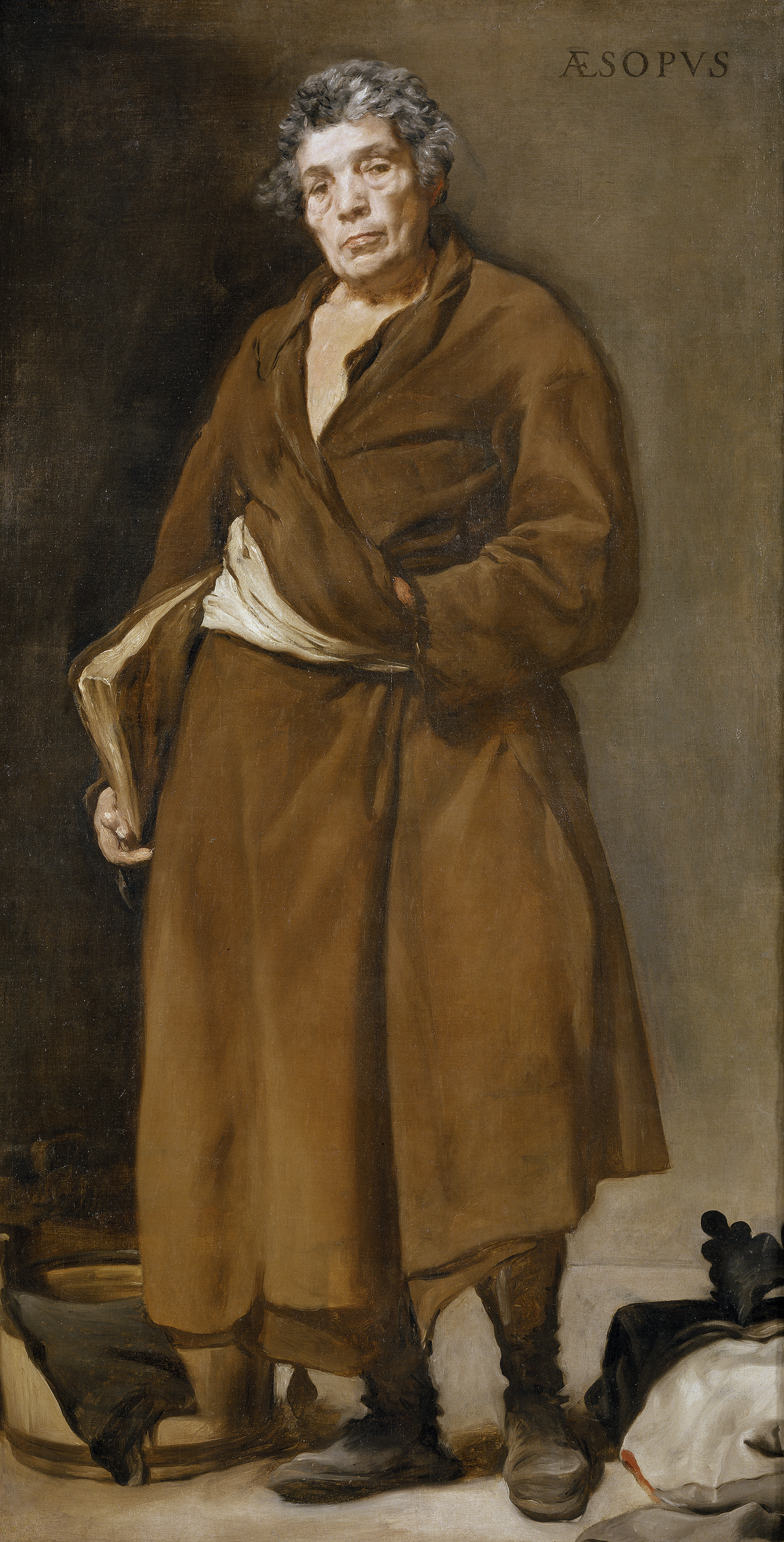
Aesop was a Greek fabulist and storyteller credited with a number of fables now collectively known as Aesop's Fables. Although his existence remains unclear and no writings by him survive, numerous tales credited to him were gathered across the centuries and in many languages in a storytelling tradition that continues to this day. Many of the tales are characterized by animals and inanimate objects that speak, solve problems, and generally have human characteristics.
Scattered details of Aesop's life can be found in ancient sources, including Aristotle, Herodotus, and Plutarch. An ancient literary work called The Aesop Romance tells an episodic, probably highly fictional version of his life, including the traditional description of him as a strikingly ugly slave who by his cleverness acquires freedom and becomes an adviser to kings and city-states. Older spellings of his name have included Esop and Isope. Depictions of Aesop in popular culture over the last 2500 years have included many works of art and his appearance as a character in numerous books, films, plays, and television programs. Wikipedia
“No act of kindness, no matter how small, is ever wasted.”
Aesop book The Lion and the Mouse
The Lion and the Mouse.
Variant: No act of kindness, no matter how small, is ever wasted.
“It is thrifty to prepare today for the wants of tomorrow.”
Aesop book The Ant and the Grasshopper
The Ant and the Grasshopper.
“In critical moments even the very powerful have need of the weakest.”
Aesop book The Lion and the Mouse
The Lion and the Mouse.
“Familiarity breeds contempt.”
Aesop book The Fox and the Lion
The Fox and the Lion.
Variant: Acquaintance softens prejudices.
“Be careful of rich and powerful men for they will do nothing for your sake.”
The Greediest Man On Earth.
The Lion, the Fox, and the Beasts.
“The boy cried "Wolf, wolf!" and the villagers came out to help him.”
The Shepherd Boy and the Wolf.
“Better be wise by the misfortunes of others than by your own.”
The Lion, The Ass, And The Fox Hunting.
The Goose with the Golden Eggs.
“People often grudge others what they cannot enjoy themselves.”
Aesop book The Dog in the Manger
The Dog in the Manger.
“A crust eaten in peace is better than a banquet partaken in anxiety.”
Aesop book The Town Mouse and the Country Mouse
The Town Mouse and the Country Mouse.
“Enemies' promises were made to be broken.”
The Nurse and the Wolf http://books.google.com/books?id=5llsEPwcG2wC&q=%22promises+were+made+to+be+broken%22&pg=PA109#v=onepage, as translated by Joseph Jacobs (1894).
Aesop book The Old Man and his Sons
The Bundle of Sticks. <br class="br">Source: Aleksandr Panayotov Aleksandrov (2021) cited in " Bulgarian cosmonaut urges international cooperation for Mars, Moon missions https://www.reuters.com/article/bulgaria-cosmonauts-idUSL8N21T1Z6" on Reuters, 11 April 2019.
“It is not only fine feathers that make fine birds.”
Aesop book The Jay and the Peacock
The Jay and the Peacock.
“We would often be sorry if our wishes were gratified.”
Aesop book The Old Man and Death
The Old Man and Death.


