Quotes from bookThe Drowned and the Saved
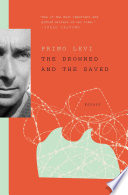
The Drowned and the Saved is a book of essays by Italian-Jewish author and Holocaust survivor Primo Levi on life and death in the Nazi extermination camps , drawing on his personal experience as a survivor of Auschwitz .

Primo Levi book The Drowned and the Saved
The Drowned and the Saved (1986)
Context: In countries and epochs in which communication is impeded, soon all other liberties wither; discussion dies by inanition, ignorance of the opinion of others becomes rampant, imposed opinions triumph. The well-known example of this is the crazy genetics preached in the USSR by Lysenko, which in the absence of discussion (his opponents were exiled to Siberia) compromised the harvests for twenty years. Intolerance is inclined to censor, and censorship promotes ignorance of the arguments of others and thus intolerance itself: a rigid, vicious circle that is hard to break.
“The aims of life are the best defense against death.”
Primo Levi book The Drowned and the Saved
The Drowned and the Saved (1986)
Primo Levi book The Drowned and the Saved
The Drowned and the Saved (1986)
Context: In countries and epochs in which communication is impeded, soon all other liberties wither; discussion dies by inanition, ignorance of the opinion of others becomes rampant, imposed opinions triumph. The well-known example of this is the crazy genetics preached in the USSR by Lysenko, which in the absence of discussion (his opponents were exiled to Siberia) compromised the harvests for twenty years. Intolerance is inclined to censor, and censorship promotes ignorance of the arguments of others and thus intolerance itself: a rigid, vicious circle that is hard to break.


