„Gdzie niewiedza jest rozkoszą,
Szaleństwem jest być mądrym.”
Źródło: Świat nawiedzany przez demony
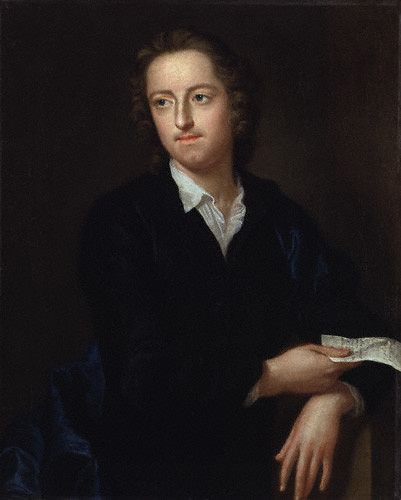
Thomas Gray – poeta angielski doby neoklasycyzmu, filolog angielski, profesor historii na Cambridge University.
Urodził się w Londynie. Edukację zdobył w Eton College, a następnie Peterhouse i Pembroke College w Cambridge. Zaproponowano mu także stanowisko poety nadwornego na dworze królewskim w Londynie, którego jednak nie przyjął. Był jednym z najmniej płodnych poetów angielskich; podczas jego życia opublikowano utwory zajmujące łącznie mniej niż 1000 wersów, jednak uznawany jest obok Williama Collinsa za najlepszego poetę XVIII w. Jego wiersze są filozoficzne, nastrojowe i melancholijne. Pod koniec życia odbył podróż do Szkocji, co spowodowało fascynację kulturą ludową, widoczną w ostatnich utworach poety. Gray interesował się też, na długo przed prerafaelitą Williamem Morrisem najdawniejszą kulturą narodów nordyckich i celtyckich.
Jest autorem jednego z najczęściej cytowanych utworów literatury angielskiej – Elegy Written in a Country Churchyard . Utwór ten tłumaczyli na język polski Jerzy Pietrkiewicz i Stanisław Barańczak.
Uważany za jednego z prekursorów romantyzmu. Inny znany utwór jego autorstwa to Ode on the Death of Favourite Cat, Drowned in a Tub of Gold Fishes.
„Gdzie niewiedza jest rozkoszą,
Szaleństwem jest być mądrym.”
Źródło: Świat nawiedzany przez demony
“The paths of glory lead but to the grave.”
Źródło: An Elegy Written In A Country Churchyard
“Forbade to wade through slaughter to a throne,
And shut the gates of mercy on mankind.”
St. 17 <br class="br"> Elegy Written in a Country Churchyard http://www.thomasgray.org/cgi-bin/display.cgi?text=elcc (written 1750, publ. 1751)
St. 19 <br class="br"> Elegy Written in a Country Churchyard http://www.thomasgray.org/cgi-bin/display.cgi?textelcc (written 1750, publ. 1751)
St. 14 <br class="br"> Elegy Written in a Country Churchyard http://www.thomasgray.org/cgi-bin/display.cgi?text=elcc (written 1750, publ. 1751) <br class="br">Źródło: An Elegy Written In A Country Churchyard
III. 3, Line 2 <br class="br"> The Progress of Poesy http://www.thomasgray.org/cgi-bin/display.cgi?textpppo (1754) <br class="br">Źródło: Selected Poems
St. 10 <br class="br"> Ode on a Distant Prospect of Eton College http://www.thomasgray.org/cgi-bin/display.cgi?text=odec (written 1742–1750)
Źródło: Ode on the Pleasure Arising from Vicissitude http://www.thomasgray.org/cgi-bin/display.cgi?text=oopv (1754), Line 35
St. 13 <br class="br"> Elegy Written in a Country Churchyard http://www.thomasgray.org/cgi-bin/display.cgi?text=elcc (written 1750, publ. 1751)
St. 9 <br class="br"> Elegy Written in a Country Churchyard http://www.thomasgray.org/cgi-bin/display.cgi?text=elcc (written 1750, publ. 1751)
“While bright-eyed Science watches round.”
Ode for Music http://www.thomasgray.org/cgi-bin/display.cgi?text=ocmu (1769), Chorus, line 3
“Rich windows that exclude the light,
And passages that lead to nothing.”
A Long Story; reported in Bartlett's Familiar Quotations, 10th ed. (1919)
“Dear, as the light that visits these sad eyes;
Dear, as the ruddy drops that warm my heart.”
Thomas Gray The Bard
I. 3. lines 39-40
The Bard (1757)
II. 2, Line 10 <br class="br"> The Progress of Poesy http://www.thomasgray.org/cgi-bin/display.cgi?text=pppo (1754)
“E'en from the tomb the voice of Nature cries,
E'en in our Ashes live their wonted Fires.”
St. 23 <br class="br"> Elegy Written in a Country Churchyard http://www.thomasgray.org/cgi-bin/display.cgi?text=elcc (written 1750, publ. 1751)
“Now my weary lips I close;
Leave me, leave me to repose!”
Descent of Odin http://www.thomasgray.org/cgi-bin/display.cgi?text=dooo, Line 71 (1761)
“Beyond the limits of a vulgar fate,
Beneath the good how far,—but far above the great.”
III. 3, Line 16 <br class="br"> The Progress of Poesy http://www.thomasgray.org/cgi-bin/display.cgi?text=pppo (1754)
St. 1 <br class="br"> Elegy Written in a Country Churchyard http://www.thomasgray.org/cgi-bin/display.cgi?text=elcc (written 1750, publ. 1751)
“From Helicon's harmonious springs
A thousand rills their mazy progress take.”
I. 1, Line 3 <br class="br"> The Progress of Poesy http://www.thomasgray.org/cgi-bin/display.cgi?text=pppo (1754)
“Hands, that the rod of empire might have swayed,
Or waked to ecstasy the living lyre.”
St. 12 <br class="br"> Elegy Written in a Country Churchyard http://www.thomasgray.org/cgi-bin/display.cgi?text=elcc (written 1750, publ. 1751)
The Epitaph, St. 3 <br class="br"> Elegy Written in a Country Churchyard http://www.thomasgray.org/cgi-bin/display.cgi?text=elcc (written 1750, publ. 1751) <br class="br">Wariant: No farther seek his merits to disclose, <br> Or draw his frailties from their dread abode, <br> (There they alike in trembling hope repose,) <br> The bosom of his Father and his God.
St. 6 <br class="br"> Ode on a Distant Prospect of Eton College http://www.thomasgray.org/cgi-bin/display.cgi?text=odec (written 1742–1750)
St. 5 <br class="br"> Ode on a Distant Prospect of Eton College http://www.thomasgray.org/cgi-bin/display.cgi?text=odec (written 1742–1750)
“Ye towers of Julius, London's lasting shame,
With many a foul and midnight murder fed.”
Thomas Gray The Bard
II. 3. lines 87-88
The Bard (1757)
III. 2, Line 4 <br class="br"> The Progress of Poesy http://www.thomasgray.org/cgi-bin/display.cgi?text=pppo (1754)
Źródło: Ode on the Pleasure Arising from Vicissitude http://www.thomasgray.org/cgi-bin/display.cgi?text=oopv (1754), Line 41
“Or ope the sacred source of sympathetic tears.”
III. 1, Line 12 <br class="br"> The Progress of Poesy http://www.thomasgray.org/cgi-bin/display.cgi?text=pppo (1754)
St. 16 <br class="br"> Elegy Written in a Country Churchyard http://www.thomasgray.org/cgi-bin/display.cgi?text=elcc (written 1750, publ. 1751)


