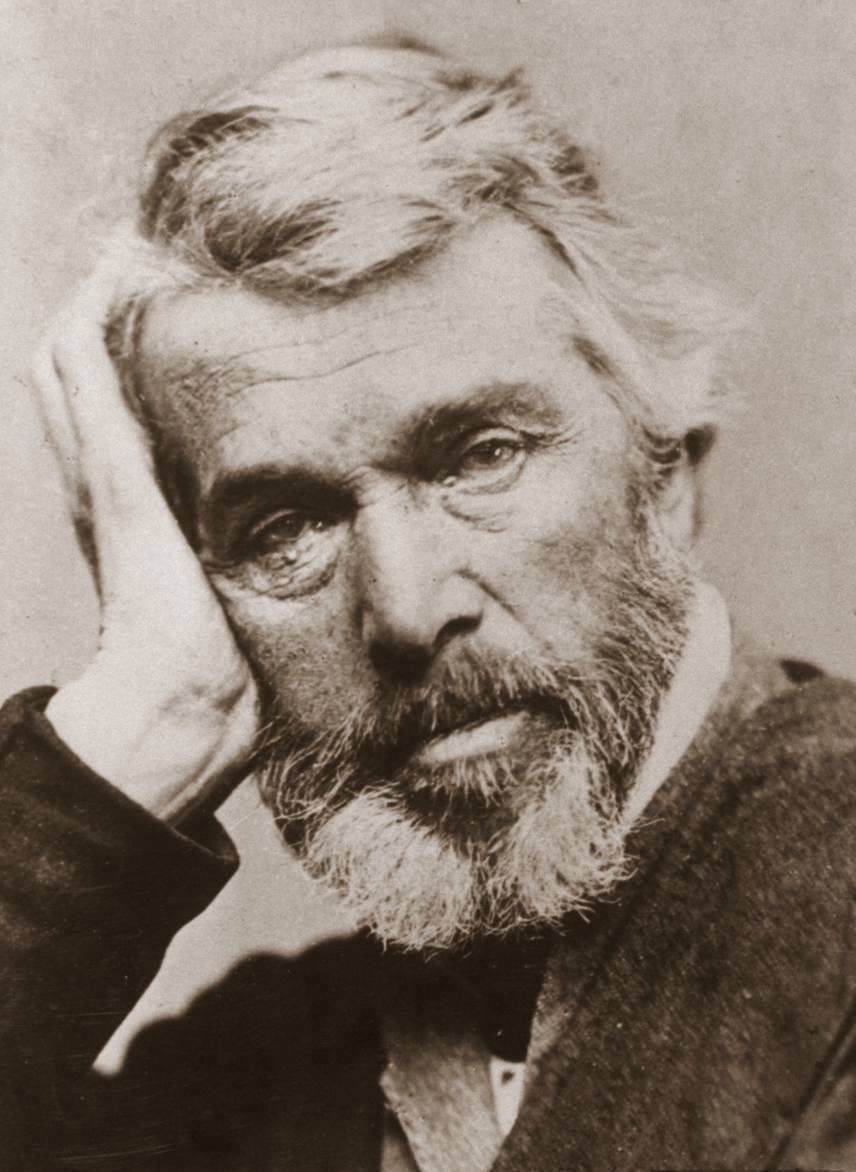
Źródło: Wielka księga mądrości, wybór Jacek i Tomasz Ilga
Thomas Carlyle: 494 cytaty6 Polubień
Thomas Carlyle słynne cytaty
Thomas Carlyle cytaty
Thomas Carlyle książka Past and Present
Captains of Industry. (ang.)
Źródło: Przeszłość i teraźniejszość (ang. Past and Present) 4, 4
„Szczęśliwi ludzie, których dzieje nie wypełniają podręczników historii.”
Happy the people whose annals are blank in history books! (ang.)
Thomas Carlyle: Cytaty po angielsku
As quoted in A Dictionary of Thoughts : Being a Cyclopedia of Laconic Quotations from the Best Authors, Both Ancient and Modern (1891) edited by Tryon Edwards. p. 327.
1890s and attributed from posthumous publications
1840s, Heroes and Hero-Worship (1840), The Hero as Prophet
1840s, Heroes and Hero-Worship (1840), The Hero as Prophet
“Theocracy, Government of God, is precisely the thing to be struggled for!”
1840s, Heroes and Hero-Worship (1840), The Hero as Priest
1840s, Past and Present (1843)
Goethe.
1820s, Critical and Miscellaneous Essays (1827–1855)
“France was long a despotism tempered by epigrams.”
Pt. I, Bk. I, ch. 1.
1830s, The French Revolution. A History (1837)
1850s, Latter-Day Pamphlets (1850), The New Downing Street (April 15, 1850)
1840s, Past and Present (1843)
1820s, Signs of the Times (1829)
1840s, Past and Present (1843)
“A Parliament speaking through reporters to Buncombe and the twenty-seven millions, mostly fools.”
Latter Day Pamphlets, No. 6.
1850s
Pt. I, Bk. VI, ch. 3.
1830s, The French Revolution. A History (1837)
1840s, Heroes and Hero-Worship (1840), The Hero As King
1840s, Past and Present (1843)
1840s, Heroes and Hero-Worship (1840), The Hero as Poet
1850s, Latter-Day Pamphlets (1850), Downing Street (April 1, 1850)
“All work is as seed sown; it grows and spreads, and sows itself anew.”
1830s, Boswell's Life of Johnson (1832)
1820s, Signs of the Times (1829)
1840s, Heroes and Hero-Worship (1840), The Hero As King
Pt. I, Bk. VII, ch. 8.
1830s, The French Revolution. A History (1837)
1880s, Reminiscences (1881)
Kontekst: Clearness, emphatic clearness, was his highest category of man's thinking power. He delighted always to hear good argument. He would often say, I would like to hear thee argue with him." He said this of Jeffrey and me, with an air of such simple earnestness, not two years ago (1830), and it was his true feeling. I have often pleased him much by arguing with men (as many years ago I was prone to do) in his presence. He rejoiced greatly in my success, at all events in my dexterity and manifested force. Others of us he admired for our "activity," our practical valor and skill, all of us (generally speaking) for our decent demeanor in the world. It is now one of my greatest blessings (for which I would thank Heaven from the heart) that he lived to see me, through various obstructions, attain some look of doing well. He had "educated" me against much advice, I believe, and chiefly, if not solely, from his own noble faith. James Bell, one of our wise men, had told him, "Educate a boy, and he grows up to despise his ignorant parents." My father once told me this, and added, "Thou hast not done so; God be thanked for it." I have reason to think my father was proud of me (not vain, for he never, except when provoked, openly bragged of us); that here too he lived to see the pleasure of the Lord prosper in his hands. Oh, was it not a happiness for me! The fame of all this planet were not henceforth so precious.
“The difference between Orthodoxy or Mydoxy and Heterodoxy or Thy-doxy.”
Pt. II, Bk. IV, ch. 2.
1830s, The French Revolution. A History (1837)
1820s, Signs of the Times (1829)
1820s, Signs of the Times (1829)
“Close thy Byron; open thy Goethe.”
Bk. I, ch. 9.
1830s, Sartor Resartus (1833–1834)
1840s, Heroes and Hero-Worship (1840), The Hero as Divinity


