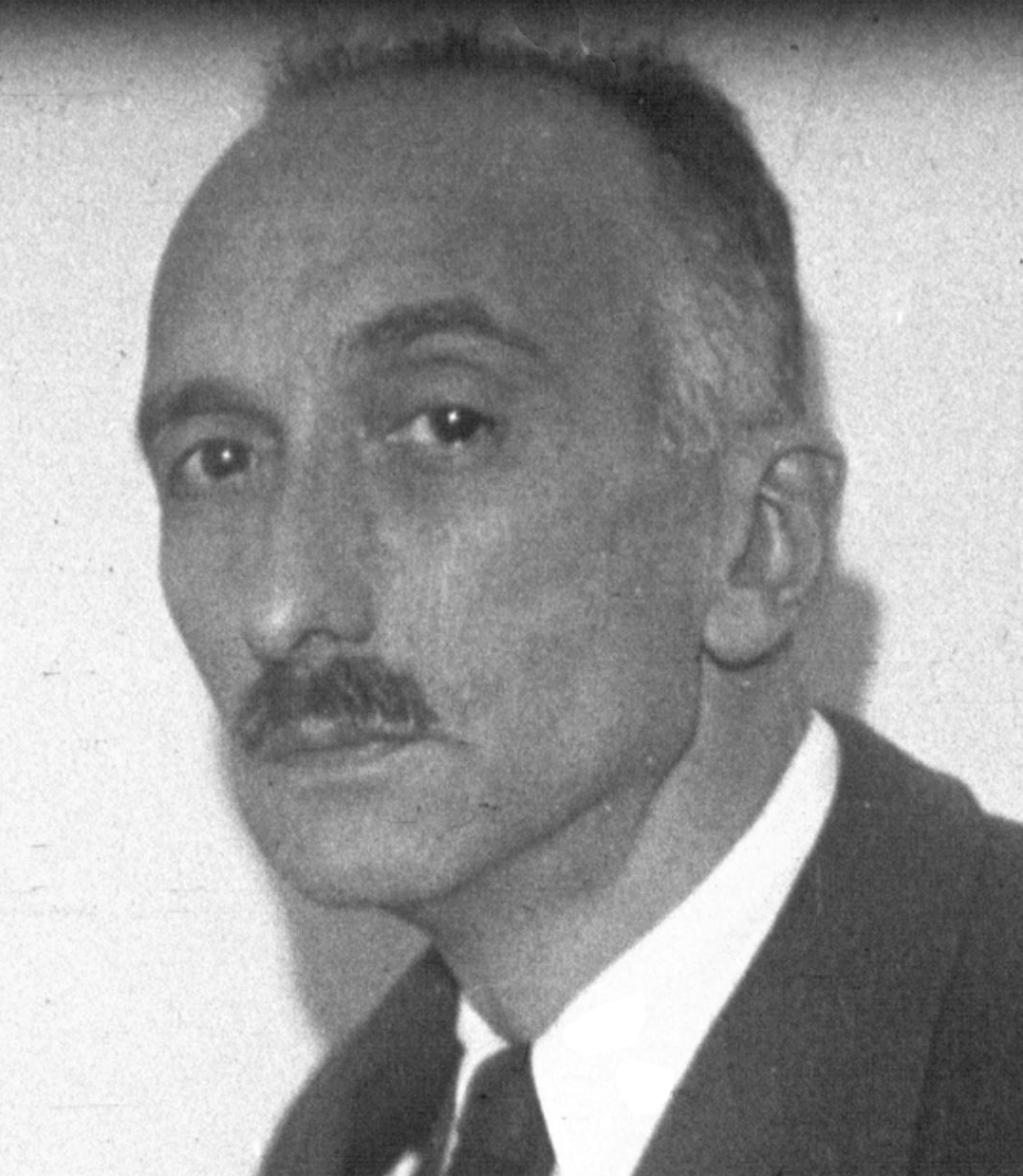
François Mauriac cytaty

François Mauriac – francuski pisarz zaliczany do największych pisarzy katolickich XX wieku, laureat literackiej Nagrody Nobla .

Studiował literaturę na uniwersytecie w Bordeaux, uzyskując dyplom w 1905 r., po czym przeniósł się do Paryża, aby studiować École des Chartes. Pozostał w niej tylko przez kilka miesięcy, zajmując się już niemal wyłącznie pisarstwem.

Debiutował w 1909 r. jako poeta, Les Mains jointes, przyciągając uwagę krytyki literackiej.

W czasie I wojny przerwał pisanie, służąc na Bałkanach w szpitalu Czerwonego Krzyża. W 1922 r. opublikował Le Baiser aux lepreux , który przyniósł mu szerokie uznanie.

Potem zasłynął jako autor prozy psychologicznej. Pisał o konfliktach między ludzką namiętnością a etyką i wiarą, m.in. w powieściach Pustynia miłości , Kłębowisko żmij , Faryzeuszka i Jagnię . W czasie II wojny światowej publikował teksty antyfaszystowskie we francuskim podziemiu – Le cahier noir, pod pseudonimem Forez. Napisał wiele zbiorów szkiców i esejów oraz dziennik Pamiętnik życia wewnętrznego . W 1933 r. został członkiem Akademii Francuskiej, w roku 1952 otrzymał literacką Nagrodę Nobla, a w 1958 Wielki Krzyż Legii Honorowej.

Mauriac był też znanym dziennikarzem, publikującym przez wiele lat w prawicowym dzienniku francuskim „Le Figaro”. W latach 50. sprzeciwiał się wojnie w Algierii, potępiając używanie tortur przez armię francuską.

Dzieła zabrane Mauriaca ukazały się w 12 tomach, w latach 1950-1956. Mauriac zachęcił też Elie Wiesela do opisania swoich doświadczeń jako Żyda w czasach Holokaustu.

Pisarz został pochowany na Cimetière de Vémars w departamencie Val-d’Oise. Wikipedia  

✵ 11. Październik 1885 – 1. Wrzesień 1970
François Mauriac Fotografia

Dzieło

Kłębowisko żmij
François Mauriac
Kłębowisko żmij
François Mauriac
François Mauriac: 69 cytatów1 Polubienie

François Mauriac słynne cytaty

„Czas jest najlepszym nauczycielem, ale nieczęsto ma dobrych uczniów.”

François Mauriac

Źródło: Jarosław Gronert, Astrologia od początku, Pabianice 2007, s. 33.

François Mauriac Cytaty o ludziach

François Mauriac cytaty

François Mauriac: Cytaty po angielsku

“Somewhere between these, thousands of children inhabit a voiceless hell.”

Francois Mauriac

Journal, 1932-1939 (Paris: Table ronde, 1947) p. 278; Adrienne Foulke (trans.) Second Thoughts (Plainview, NY: Books for Libraries Press, [1961] 1973) p. 148.
Kontekst: Where does discipline end? Where does cruelty begin? Somewhere between these, thousands of children inhabit a voiceless hell.

“Very little would have been needed for the tears of Judas to be allied in the memory of mankind with those of Peter.”

Francois Mauriac

Vie de Jésus (Paris: Flammarion, 1936) p. 257; Julie Kernan (trans.) Life of Jesus (New York: David McKay, [1937] 1951) p. 223.
Kontekst: Very little would have been needed for the tears of Judas to be allied in the memory of mankind with those of Peter. He might have become a saint, the patron of all of us who constantly betray Christ.

“What makes a poet is, surely, the love of these things, a desperate search for the tiny ray of sunshine which used to flicker on the floor of a child’s bedroom.”

Francois Mauriac książka Questions of Precedence

Ce qui fait le poète, n'est-ce pas l'amour, la recherche désespérée du moindre rayon de soleil d'autrefois jouant sur le parquet d'une chambre d'enfant?
Préséances (1921), cited from Oeuvres romanesques, vol.1 (Paris: Flammarion, 1965) p. 301; Gerard Hopkins (trans.) Questions of Precedence (London: Eyre & Spottiswoode, 1958) p. 46.

“The myth of Prometheus means that all the sorrows of the world have their seat in the liver. But it needs a brave man to face so humble a truth.”

Francois Mauriac książka Kłębowisko żmij

Le mythe de Prométhée signifie que toute la tristesse du monde a son siège dans le foie. Mais qui oserait reconnaître une vérité si humble?
Le Nœud de vipères (1932), cited from Oeuvres romanesques, vol. 2 (Paris: Flammarion, 1965) p. 166; Gerard Hopkins (trans.) Knot of Vipers (London: Eyre & Spottiswoode, 1951) p. 151.

“Most men resemble great deserted palaces: the owner occupies only a few rooms and has closed off wings where he never ventures.”

Francois Mauriac

Presque tous les hommes ressemblent à ces grands palais déserts dont le propriétaire n'habite que quelques pièces; et il ne pénètre jamais dans les ailes condamnées.
Journal, 1932-1939 (Paris: Table ronde, 1947) p. 6; Adrienne Foulke (trans.) Second Thoughts (Plainview, NY: Books for Libraries Press, [1961] 1973) p. 142.

“I love Germany so much I'm glad there are two of them.”

Francois Mauriac

J’aime tellement l’Allemagne que je suis heureux qu’il y en ait deux.
As quoted in The Rough Guide to Germany (2004) by Gordon McLachlan, p. vii.

“One can touch a living soul through a curtain of vice and crime no matter how dense and dark: but vulgarity is an insurmountable barrier.”

Francois Mauriac książka Kłębowisko żmij

On atteint aisément une âme vivante à travers les crimes, les vices les plus tristes, mais la vulgarité est infranchissable.
Le Nœud de vipères (1932), cited from Oeuvres romanesques, vol. 2 (Paris: Flammarion, 1965) p. 190; Gerard Hopkins (trans.) Knot of Vipers (Harmondsworth: Penguin, [1951] 1985) p. 193.

Podobni autorzy

Pablo Neruda Fotografia
Pablo Neruda6
poeta chilijski, noblista None
Marcel Proust Fotografia
Marcel Proust21
pisarz francuski None
Albert Camus Fotografia
Albert Camus149
francuski pisarz, noblista None
André Breton Fotografia
André Breton11
francuski pisarz None
Simone de Beauvoir Fotografia
Simone de Beauvoir32
francuska pisarka None
Antoine de Saint-Exupéry Fotografia
Antoine de Saint-Exupéry119
francuski pisarz i poeta, lotnik None
Henri Bergson Fotografia
Henri Bergson25
francuski filozof, noblista None
Anaïs Nin Fotografia
Anaïs Nin47
pisarka francuska None
Jean-Paul Sartre Fotografia
Jean-Paul Sartre81
powieściopisarz, dramaturg, eseista i filozof francuski, no… None
Imre Kertész Fotografia
Imre Kertész20
węgierski pisarz, noblista None