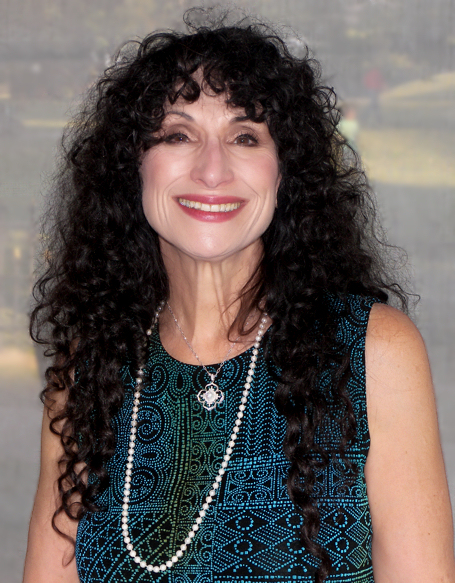
As quoted in Meditations for Women Who Do Too (1991) by Anne Wilson Schaef
Diane Ackerman: 30 cytatów0 Polubień
Diane Ackerman: Cytaty po angielsku
“I don't want to be a passenger in my own life.”
On Extended Wings (1985)
Diane Ackerman książka A Natural History of the Senses
Źródło: A Natural History of the Senses (1991)
“Words are small shapes in the gorgeous chaos of the world.”
Diane Ackerman książka A Natural History of the Senses
Źródło: A Natural History of the Senses
“I watched her face switch among the radio stations of memory”
Diane Ackerman książka The Zookeeper's Wife
Źródło: The Zookeeper's Wife
Silence and Awakening
The Inevitable: Contemporary Writer Confront Death (2011) Edited by David Shields & Bradford Morrow
“Human beings are sloshing sacks of chemicals on the move.”
An Alchemy of Mind : The Marvel and Mystery of the Brain (2004) ISBN 0743246721
“There are well-dressed foolish ideas just as there are well-dressed fools.”
Sometimes attributed to Ackerman this actually originates with Nicolas Chamfort, as quoted in The Cynic's Breviary : Maxims and Anecdotes from Nicolas de Chamfort (1902) as translated by William G. Hutchison, p. 37
Misattributed
Diane Ackerman książka A Natural History of the Senses
Źródło: A Natural History of the Senses (1991), p. 229
A Natural History of Love (1994)
“When art separates this thick tangle of feelings, love bares its bones.”
A Natural History of Love (1994)
Diane Ackerman książka A Natural History of the Senses
Postscript (p. 305)
A Natural History of the Senses (1990)
Diane Ackerman książka A Natural History of the Senses
Postscript (p. 301)
A Natural History of the Senses (1990)
“My muse is male, has the silvery complexion of the moon, and never speaks to me directly.”
Diane Ackerman książka A Natural History of the Senses
Źródło: A Natural History of the Senses (1990), Chapter 6 “Synesthesia” (p. 299)
Diane Ackerman książka A Natural History of the Senses
Źródło: A Natural History of the Senses (1990), Chapter 5 “Vision” (p. 281)
Diane Ackerman książka A Natural History of the Senses
The sad truth is that attractive people do better in school, where they receive more help, better grades, and less punishment; at work, where they are rewarded with higher pay, more prestigious jobs, and faster promotions; in finding mates, where they tend to be in control of the relationships and make most of the decisions; and among total strangers, who assume them to be interesting, honest, virtuous, and successful. After all, in fairy tales, the first stories most of us hear, the heroes are handsome, the heroines are beautiful, and the wicked sots are ugly. Children learn implicitly that good people are beautiful and bad people are ugly, and society restates that message in many subtle ways as they grow older. So perhaps it’s not surprising that handsome cadets at West Point achieve a higher rank by the time they graduate, or that a judge is more likely to give an attractive criminal a shorter sentence.
Źródło: A Natural History of the Senses (1990), Chapter 5 “Vision” (pp. 271-272)
Diane Ackerman książka A Natural History of the Senses
Źródło: A Natural History of the Senses (1990), Chapter 5 “Vision” (p. 256)
Diane Ackerman książka A Natural History of the Senses
But in truth an apple is everything but red.
Źródło: A Natural History of the Senses (1990), Chapter 5 “Vision” (p. 252)
Diane Ackerman książka A Natural History of the Senses
Źródło: A Natural History of the Senses (1990), Chapter 4 “Hearing” (p. 180)
Diane Ackerman książka A Natural History of the Senses
Creatures who will one day vanish from the earth in the ultimate subtraction of sensuality that we call death, we spend our lives courting death, fomenting wars, watching sickening horror movies in which maniacs slash and torture their victims, hurrying our own deaths in fast cars, cigarette smoking, suicide. Death obsesses us, as well it might, but our response to it is so strange. Faced with tornadoes chewing up homes, with dust storms ruining crops, floods and earthquakes swallowing up whole cities, with ghostly diseases that gnaw at one’s bone marrow, cripple, or craze—rampant miseries that need no special bidding, but come freely, giving their horror like alms—you’d think human beings would hold out against the forces of Nature, combine their efforts and become allies, not create devastation of their own, not add to one another’s miseries. Death does such fine work without us. How strange that people, whole countries sometimes, wish to be its willing accomplices.
Źródło: A Natural History of the Senses (1990), Chapter 3 “Taste” (p. 170)
Diane Ackerman książka A Natural History of the Senses
Źródło: A Natural History of the Senses (1990), Chapter 3 “Taste” (p. 131)
Diane Ackerman książka A Natural History of the Senses
Źródło: A Natural History of the Senses (1990), Chapter 3 “Taste” (p. 130)
Diane Ackerman książka A Natural History of the Senses
Źródło: A Natural History of the Senses (1990), Chapter 2 “Touch” (p. 115)


