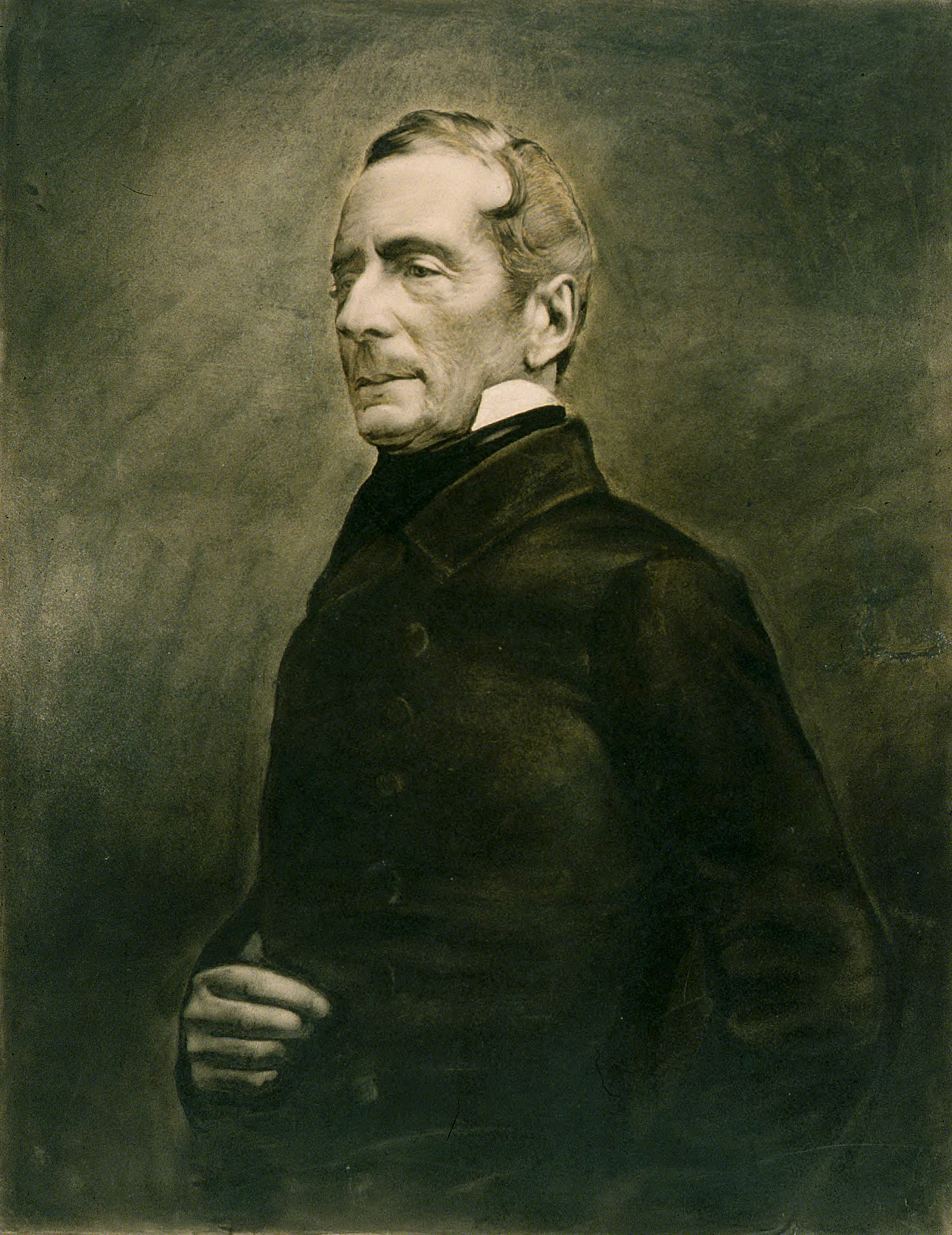
Je suis le premier qui ai fait descendre la poésie du Parnasse, et qui ai donné à ce qu’on nommait la muse, au lieu d’une lyre à sept cordes de convention, les fibres mêmes du cœur de l’homme, touchées et émues par les innombrables frissons de l’âme et de la nature. (fr.)
z przedmowy do Dumań poety z wydania z 1849.
Źródło: Jerzy Adamski, Historia literatury francuskiej. Zarys, Wrocław 1989, s. 117.
Alphonse de Lamartine: 28 cytatów0 Polubień
Alphonse de Lamartine słynne cytaty
Źródło: Jerzy Adamski, Historia literatury francuskiej. Zarys, Wrocław 1989, s. 117, tłum. Zenon Przesmycki.
„Nawet Pan Bóg potrzebuje bicia dzwonów.”
Źródło: „Przekrój”, tom 1, Krakowskie Wydawnictwo Prasowe, 1995, s. 87.
Alphonse de Lamartine: Cytaty po angielsku
“Limited in his nature, infinite in his desires, man is a fallen god who remembers the heavens.”
Alphonse de Lamartine książka Méditations poétiques
Méditations Poétiques (1820), Sermon 2
Book IV, Note VIII, p. 61
Les confidences (1849)
“To love for the sake of being loved is human, but to love for the sake of loving is angelic.”
Alphonse de Lamartine książka Graziella
Graziella (1849), Pt. IV, ch. 5
Book VI, Note V, p. 86
Les confidences (1849)
“The more I see of the representatives of the people, the more I admire my dogs.”
From Count d'Orsay's Letter to John Forster (1850)
Book IV, Note VIII, p. 60
Les confidences (1849)
“Utopias are often only premature truths.”
Les utopies ne sont souvent que des verités prématurées.
Histoire des Girondins (1847), p. 322
Book I, Note II, p. 19
Les confidences (1849)
Alphonse de Lamartine książka Méditations poétiques
Méditations Poétiques (1820), Second series, Sermon 15
Book IV, Note VIII, p. 61
Les confidences (1849)
“Sometimes, only one person is missing, and the whole world seems depopulated.”
Alphonse de Lamartine L'Isolement
"L'Isolement", Méditations Poétiques (1820)
Alphonse de Lamartine, Histoire de la Turquie (1854), Vol. I, pp. 276-277
Kontekst: Never has a man set for himself, voluntarily or involuntarily, a more sublime aim, since this aim was super human; to subvert superstitions which had been imposed between man and his Creator, to render God unto man and man unto God; to restore the rational and sacred idea of divinity amidst the chaos of the material and disfigured gods of idolatry, then existing. Never has a man undertaken a work so far beyond human power with so feeble means, for he Muhammad had in the conception as well as in the execution of such a great design, no other instrument than himself and no other aid except a handful of men living in a corner of the desert. Finally, never has a man accomplished such a huge and lasting revolution in the world, because in less than two centuries after its appearance, Islam, reigned over the whole of Arabia, and conquered, in God's name, Persia, Khorasan, Transoxania, Western India, Syria, Egypt, Abyssinia, all the known continent of Northern Africa, numerous islands of the Mediterranean Sea, Spain and part of Gaul.
If greatness of purpose, smallness of means, and astounding results are the three criteria of human genius, who could dare to compare any great man in modern history with Muhammad? The most famous men created arms, laws and empires only. They founded, if anything at all, no more than material powers which often crumbled away before their eyes. This man moved not only armies, legislations, empires, peoples and dynasties, but millions of men in one-third of the then inhabited world; and more than that, he moved the altars, the gods, the religions, the ideas, the beliefs and souls... his forbearance in victory, his ambition, which was entirely devoted to one idea and in no manner striving for an empire; his endless prayers, his mystic conversations with God, his death and his triumph after death; all these attest not to an imposture but to a firm conviction which gave him the power to restore a dogma. This dogma was twofold, the unity of God and the immateriality of God; the former telling what God is, the latter telling what God is not; the one overthrowing false gods with the sword, the other starting an idea with words.
Philosopher, orator, apostle, legislator, warrior, conqueror of ideas, restorer of rational dogmas, of a cult without images; the founder of twenty terrestrial empires and of one spiritual empire, that is Muhammad. As regards all standards by which human greatness may be measured, we may well ask, is there any man greater than he?


