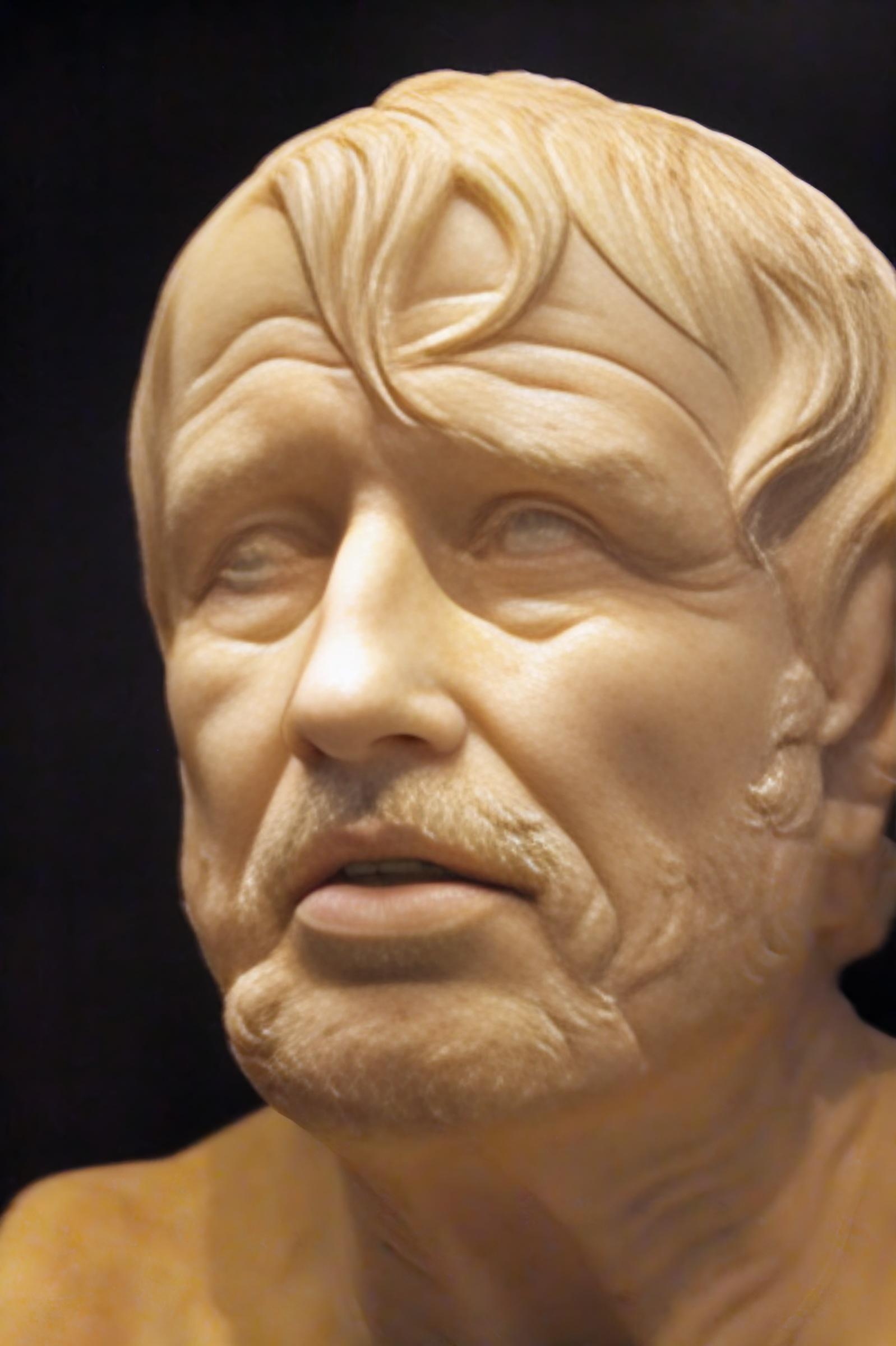
„Ha bölcs vagy, kösd össze ezt a két elemet: ne reménykedj kétség nélkül, és ne ess kétségbe remény nélkül.”
Si sapis, alterum alteri misce: nec speraveris sine desperatione nec desperaveris sine spe.
Lucius Annaeus Seneca: 242 idézet11 Kedvelés
Lucius Annaeus Seneca híres idézetei
„Semmilyen szél nem kedvez annak, aki nem tudja, melyik kikötőbe tart.”
errant consilia nostra, quia non habent quo derigantur; ignoranti quem portum petat nullus suus ventus est.
„Nem az szegény, akinek csak kevese van, hanem aki többre vágyik.”
Non qui parum habet, sed qui plus cupit, pauper est.
„A háborúnál csak a háborútól való félelem rosszabb.”
peior est bello timor ipse belli.
Lucius Annaeus Seneca idézetek
„Mert egyetlen ember sem szabad, aki testének rabszolgája.”
Nemo liber est qui corpori servit.
„Senki sem képes uralkodni, ha nem képes elviselni, hogy uralva legyen.”
nemo autem regere potest nisi qui et regi.
Lucius Annaeus Seneca: Idézetek angolul
Seneca the Younger könyv Epistulae morales ad Lucilium
Epistulae Morales ad Lucilium (Moral Letters to Lucilius), Letter LXVII: On Ill-Health and Endurance of Suffering
Seneca the Younger könyv Epistulae morales ad Lucilium
Epistulae Morales ad Lucilium (Moral Letters to Lucilius), Letter LXVI: On Various Aspects of Virtue
Seneca the Younger könyv Epistulae morales ad Lucilium
Epistulae Morales ad Lucilium (Moral Letters to Lucilius), Letter LXVI: On Various Aspects of Virtue
Seneca the Younger könyv Epistulae morales ad Lucilium
Epistulae Morales ad Lucilium (Moral Letters to Lucilius), Letter LXVI: On Various Aspects of Virtue
Seneca the Younger könyv Epistulae morales ad Lucilium
Epistulae Morales ad Lucilium (Moral Letters to Lucilius), Letter LXVI: On Various Aspects of Virtue
Seneca the Younger könyv Epistulae morales ad Lucilium
Epistulae Morales ad Lucilium (Moral Letters to Lucilius), Letter LIX: On Pleasure and Joy
Seneca the Younger könyv Epistulae morales ad Lucilium
Epistulae Morales ad Lucilium (Moral Letters to Lucilius), Letter L: On Our Blindness and Its Cure
“Would you really know what philosophy offers to humanity? Philosophy offers counsel.”
Seneca the Younger könyv Epistulae morales ad Lucilium
Epistulae Morales ad Lucilium (Moral Letters to Lucilius), Letter XLVII: On master and slave
Seneca the Younger könyv Epistulae morales ad Lucilium
Epistulae Morales ad Lucilium (Moral Letters to Lucilius), Letter XLVII: On master and slave
Seneca the Younger könyv Epistulae morales ad Lucilium
Epistulae Morales ad Lucilium (Moral Letters to Lucilius), Letter XLV: On sophistical argumentation
“He that owns himself has lost nothing. But how few men are blessed with ownership of self!”
Seneca the Younger könyv Epistulae morales ad Lucilium
Epistulae Morales ad Lucilium (Moral Letters to Lucilius), Letter XLII: On Values
Seneca the Younger könyv Epistulae morales ad Lucilium
Epistulae Morales ad Lucilium (Moral Letters to Lucilius), Letter XLII: On Values
Seneca the Younger könyv Epistulae morales ad Lucilium
Epistulae Morales ad Lucilium (Moral Letters to Lucilius), Letter XLIX: On the Shortness of Life
“Non faciunt meliorem equum aurei freni.”
Seneca the Younger könyv Epistulae morales ad Lucilium
Epistulae Morales ad Lucilium (Moral Letters to Lucilius), Letter XLI: On the god within us
“You must die erect and unyielding.”
Seneca the Younger könyv Epistulae morales ad Lucilium
Epistulae Morales ad Lucilium (Moral Letters to Lucilius), Letter XXXVII: On Allegiance to Virtue
“You must lay aside the burdens of the mind; until you do this, no place will satisfy you.”
Seneca the Younger könyv Epistulae morales ad Lucilium
Epistulae Morales ad Lucilium (Moral Letters to Lucilius), Letter XXVIII: On travel as a cure for discontent
“You do not know where death awaits you; so be ready for it everywhere.”
Seneca the Younger könyv Epistulae morales ad Lucilium
Epistulae Morales ad Lucilium (Moral Letters to Lucilius), Letter XXVI: On Old Age and Death
Seneca the Younger könyv Epistulae morales ad Lucilium
Epistulae Morales ad Lucilium (Moral Letters to Lucilius), Letter XXV: On Reformation
“It was a great deed to conquer Carthage, but a greater deed to conquer death.”
Seneca the Younger könyv Epistulae morales ad Lucilium
Epistulae Morales ad Lucilium (Moral Letters to Lucilius), Letter XXIV: On despising death
Seneca the Younger könyv Epistulae morales ad Lucilium
Epistulae Morales ad Lucilium (Moral Letters to Lucilius), Letter XXIV: On despising death
Seneca the Younger könyv Epistulae morales ad Lucilium
Epistulae Morales ad Lucilium (Moral Letters to Lucilius), Letter XVII: On Philosophy and Riches
Seneca the Younger könyv Epistulae morales ad Lucilium
Epistulae Morales ad Lucilium (Moral Letters to Lucilius), Letter XVII: On Philosophy and Riches
Seneca the Younger könyv Epistulae morales ad Lucilium
Epistulae Morales ad Lucilium (Moral Letters to Lucilius), Letter VII: On crowds
“What progress, you ask, have I made? I have begun to be a friend to myself.”
Seneca the Younger könyv Epistulae morales ad Lucilium
That was indeed agreat benefit; such a person can never be alone. You may be sure that such a man is a friend to all mankind.
Seneca is quoting Hecato.
Epistulae Morales ad Lucilium (Moral Letters to Lucilius), Letter VI: On precepts and exemplars
Seneca the Younger könyv Epistulae morales ad Lucilium
Epistulae Morales ad Lucilium (Moral Letters to Lucilius), Letter V: On the Philosopher’s Mean
Seneca the Younger könyv Epistulae morales ad Lucilium
Epistulae Morales ad Lucilium (Moral Letters to Lucilius), Letter IV: On the terrors of death
Seneca the Younger könyv Epistulae morales ad Lucilium
Epistulae Morales ad Lucilium (Moral Letters to Lucilius), Letter II: On discursiveness in reading
Seneca the Younger könyv Epistulae morales ad Lucilium
Epistulae Morales ad Lucilium (Moral Letters to Lucilius), Letter CIV: On Care of Health and Peace of Mind
Seneca the Younger könyv Epistulae morales ad Lucilium
Epistulae Morales ad Lucilium (Moral Letters to Lucilius), Letter XXXIX: On Noble Aspirations
Seneca the Younger könyv Epistulae morales ad Lucilium
Epistulae Morales ad Lucilium (Moral Letters to Lucilius), Letter XCVIX: On Consolation to the Bereaved


