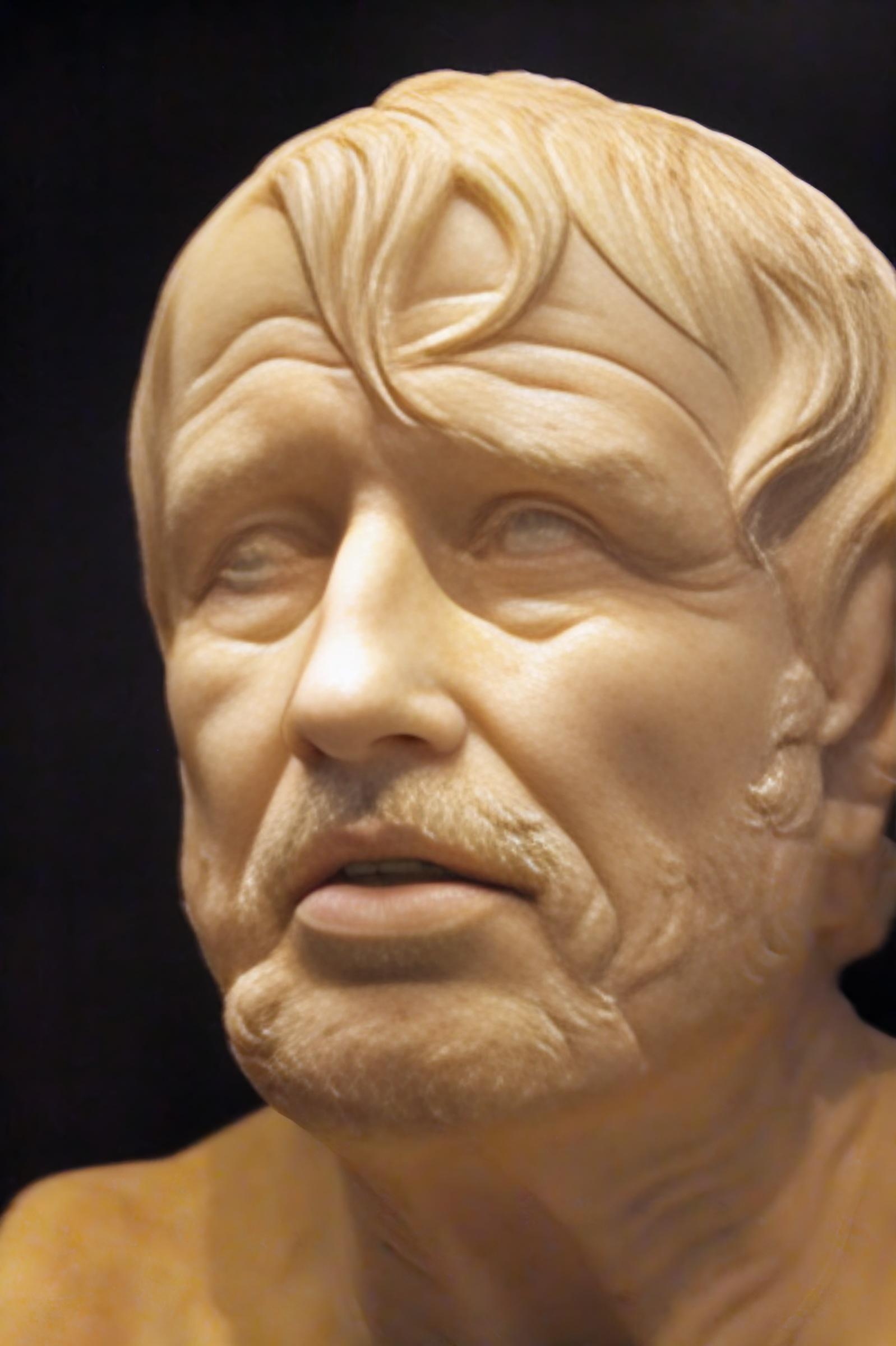
„Ha bölcs vagy, kösd össze ezt a két elemet: ne reménykedj kétség nélkül, és ne ess kétségbe remény nélkül.”
Si sapis, alterum alteri misce: nec speraveris sine desperatione nec desperaveris sine spe.
Lucius Annaeus Seneca: 242 idézet11 Kedvelés
Lucius Annaeus Seneca híres idézetei
„Semmilyen szél nem kedvez annak, aki nem tudja, melyik kikötőbe tart.”
errant consilia nostra, quia non habent quo derigantur; ignoranti quem portum petat nullus suus ventus est.
„Nem az szegény, akinek csak kevese van, hanem aki többre vágyik.”
Non qui parum habet, sed qui plus cupit, pauper est.
„A háborúnál csak a háborútól való félelem rosszabb.”
peior est bello timor ipse belli.
Lucius Annaeus Seneca idézetek
„Mert egyetlen ember sem szabad, aki testének rabszolgája.”
Nemo liber est qui corpori servit.
„Senki sem képes uralkodni, ha nem képes elviselni, hogy uralva legyen.”
nemo autem regere potest nisi qui et regi.
Lucius Annaeus Seneca: Idézetek angolul
Seneca the Younger könyv Epistulae morales ad Lucilium
Epistulae Morales ad Lucilium (Moral Letters to Lucilius), Letter CIV: On Care of Health and Peace of Mind
Seneca the Younger könyv Epistulae morales ad Lucilium
Epistulae Morales ad Lucilium (Moral Letters to Lucilius), Letter CIV: On Care of Health and Peace of Mind
Seneca the Younger könyv Epistulae morales ad Lucilium
Epistulae Morales ad Lucilium (Moral Letters to Lucilius), Letter CIV: On Care of Health and Peace of Mind
Seneca the Younger könyv Epistulae morales ad Lucilium
Epistulae Morales ad Lucilium (Moral Letters to Lucilius), Letter CIV: On Care of Health and Peace of Mind
“This spirit thrusts itself forward, confident of commendation and esteem.”
Seneca the Younger könyv Epistulae morales ad Lucilium
Epistulae Morales ad Lucilium (Moral Letters to Lucilius), Letter CIV: On Care of Health and Peace of Mind
Seneca the Younger könyv Epistulae morales ad Lucilium
Epistulae Morales ad Lucilium (Moral Letters to Lucilius), Letter CIV: On Care of Health and Peace of Mind
“New friends, however, will not be the same.”
Seneca the Younger könyv Epistulae morales ad Lucilium
No, nor will you yourself remain the same; you change with every day and every hour.
Epistulae Morales ad Lucilium (Moral Letters to Lucilius), Letter CIV: On Care of Health and Peace of Mind
Seneca the Younger könyv Epistulae morales ad Lucilium
Epistulae Morales ad Lucilium (Moral Letters to Lucilius), Letter CIV: On Care of Health and Peace of Mind
Seneca the Younger könyv Epistulae morales ad Lucilium
Epistulae Morales ad Lucilium (Moral Letters to Lucilius), Letter CI: On the Futility of Planning Ahead
“Accept in an unruffled spirit that which is inevitable.”
Seneca the Younger könyv Epistulae morales ad Lucilium
Epistulae Morales ad Lucilium (Moral Letters to Lucilius), Letter XCVIX: On Consolation to the Bereaved
Seneca the Younger könyv Epistulae morales ad Lucilium
Epistulae Morales ad Lucilium (Moral Letters to Lucilius), Letter XCVIII: On the Fickleness of Fortune
Seneca the Younger könyv Epistulae morales ad Lucilium
Epistulae Morales ad Lucilium (Moral Letters to Lucilius), Letter XCVI
Seneca the Younger könyv Epistulae morales ad Lucilium
Epistulae Morales ad Lucilium (Moral Letters to Lucilius), Letter XCII: On the Happy Life
“A thatched roof once covered free men; under marble and gold dwells slavery.”
Seneca the Younger könyv Epistulae morales ad Lucilium
Epistulae Morales ad Lucilium (Moral Letters to Lucilius), Letter XC: On the Part Played by Philosophy in the Progress of Man
Seneca the Younger könyv Epistulae morales ad Lucilium
Epistulae Morales ad Lucilium (Moral Letters to Lucilius), Letter LXXXV: On Some Vain Syllogisms
Seneca the Younger könyv Epistulae morales ad Lucilium
Epistulae Morales ad Lucilium (Moral Letters to Lucilius), Letter LXXXV: On Some Vain Syllogisms
“But he has no fear; unconquered he looks down from a lofty height upon his sufferings.”
Seneca the Younger könyv Epistulae morales ad Lucilium
Epistulae Morales ad Lucilium (Moral Letters to Lucilius), Letter LXXXV: On Some Vain Syllogisms
Seneca the Younger könyv Epistulae morales ad Lucilium
Epistulae Morales ad Lucilium (Moral Letters to Lucilius), Letter LXXVIII: On the Healing Power of the Mind
Seneca the Younger könyv Epistulae morales ad Lucilium
Epistulae Morales ad Lucilium (Moral Letters to Lucilius), Letter LXXVIII: On the Healing Power of the Mind
Seneca the Younger könyv Epistulae morales ad Lucilium
Epistulae Morales ad Lucilium (Moral Letters to Lucilius), Letter LXXVIII: On the Healing Power of the Mind
Seneca the Younger könyv Epistulae morales ad Lucilium
Epistulae Morales ad Lucilium (Moral Letters to Lucilius), Letter LXXVIII: On the Healing Power of the Mind
Seneca the Younger könyv Epistulae morales ad Lucilium
Epistulae Morales ad Lucilium (Moral Letters to Lucilius), Letter LXXVII: On Taking One’s Own Life
Seneca the Younger könyv Epistulae morales ad Lucilium
Epistulae Morales ad Lucilium (Moral Letters to Lucilius), Letter LXXVII: On Taking One’s Own Life
Seneca the Younger könyv Epistulae morales ad Lucilium
Epistulae Morales ad Lucilium (Moral Letters to Lucilius), Letter LXXIV: On Virtue as a Refuge From Worldly Distractions
Seneca the Younger könyv Epistulae morales ad Lucilium
Epistulae Morales ad Lucilium (Moral Letters to Lucilius), Letter LXXI: On the supreme good
“These actions are not essentially difficult; it is we ourselves that are soft and flabby.”
Seneca the Younger könyv Epistulae morales ad Lucilium
Epistulae Morales ad Lucilium (Moral Letters to Lucilius), Letter LXXI: On the supreme good
Seneca the Younger könyv Epistulae morales ad Lucilium
Epistulae Morales ad Lucilium (Moral Letters to Lucilius), Letter LXVII: On Ill-Health and Endurance of Suffering
Seneca the Younger könyv Epistulae morales ad Lucilium
Epistulae Morales ad Lucilium (Moral Letters to Lucilius), Letter LXVII: On Ill-Health and Endurance of Suffering
Seneca the Younger könyv Epistulae morales ad Lucilium
Epistulae Morales ad Lucilium (Moral Letters to Lucilius), Letter LXVII: On Ill-Health and Endurance of Suffering
Seneca the Younger könyv Epistulae morales ad Lucilium
Epistulae Morales ad Lucilium (Moral Letters to Lucilius), Letter LXVII: On Ill-Health and Endurance of Suffering


