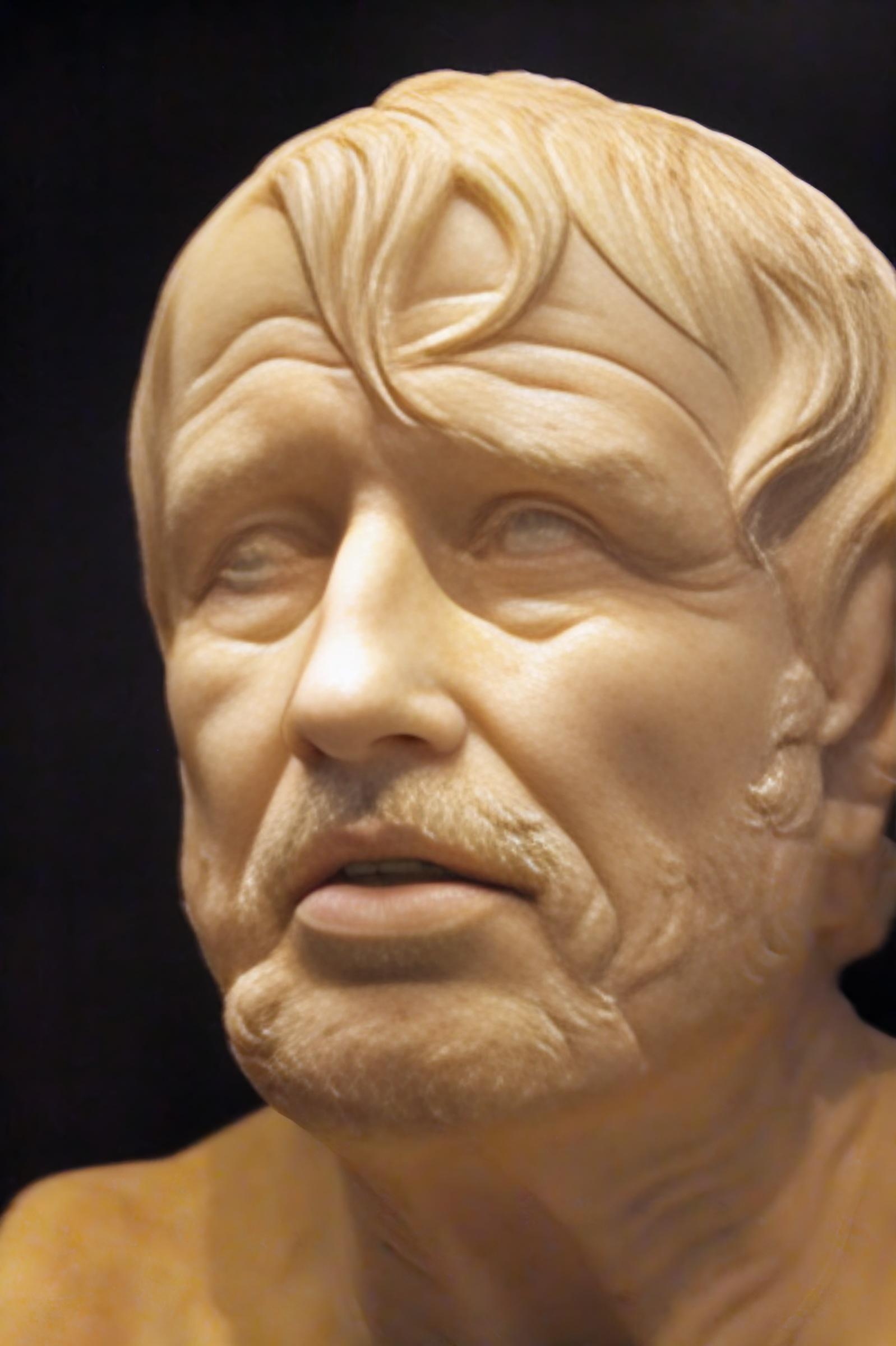
„Ha bölcs vagy, kösd össze ezt a két elemet: ne reménykedj kétség nélkül, és ne ess kétségbe remény nélkül.”
Si sapis, alterum alteri misce: nec speraveris sine desperatione nec desperaveris sine spe.
Lucius Annaeus Seneca: 242 idézet11 Kedvelés
Lucius Annaeus Seneca híres idézetei
„Semmilyen szél nem kedvez annak, aki nem tudja, melyik kikötőbe tart.”
errant consilia nostra, quia non habent quo derigantur; ignoranti quem portum petat nullus suus ventus est.
„Nem az szegény, akinek csak kevese van, hanem aki többre vágyik.”
Non qui parum habet, sed qui plus cupit, pauper est.
„A háborúnál csak a háborútól való félelem rosszabb.”
peior est bello timor ipse belli.
Lucius Annaeus Seneca idézetek
„Mert egyetlen ember sem szabad, aki testének rabszolgája.”
Nemo liber est qui corpori servit.
„Senki sem képes uralkodni, ha nem képes elviselni, hogy uralva legyen.”
nemo autem regere potest nisi qui et regi.
Lucius Annaeus Seneca: Idézetek angolul
“The wise man is joyful, happy and calm, unshaken, he lives on a plane with the gods.”
Seneca the Younger könyv Epistulae morales ad Lucilium
Epistulae Morales ad Lucilium (Moral Letters to Lucilius), Letter LIX: On Pleasure and Joy
Seneca the Younger könyv Epistulae morales ad Lucilium
Epistulae Morales ad Lucilium (Moral Letters to Lucilius), Letter LI: On Baiae and Morals
“Marcet sine adversario virtus.”
Seneca the Younger könyv De Providentia
Valor withers without adversity.
De Providentia (On Providence), 2.4
Moral Essays
Seneca the Younger könyv Epistulae morales ad Lucilium
Epistulae Morales ad Lucilium (Moral Letters to Lucilius), Letter CV: On Facing the World With Confidence
Seneca the Younger könyv Epistulae morales ad Lucilium
Epistulae Morales ad Lucilium (Moral Letters to Lucilius), Letter CIV: On Care of Health and Peace of Mind
Seneca the Younger könyv Epistulae morales ad Lucilium
Epistulae Morales ad Lucilium (Moral Letters to Lucilius), Letter CI: On the Futility of Planning Ahead
“But how foolish it is to set out one’s life, when one is not even owner of the morrow!”
Seneca the Younger könyv Epistulae morales ad Lucilium
Epistulae Morales ad Lucilium (Moral Letters to Lucilius), Letter CI: On the Futility of Planning Ahead
“All the Good of mortals is mortal.”
Seneca the Younger könyv Epistulae morales ad Lucilium
Epistulae Morales ad Lucilium (Moral Letters to Lucilius), Letter XCVIII: On the Fickleness of Fortune
“As our acts and our thoughts are, so will our lives be.”
Seneca the Younger könyv Epistulae morales ad Lucilium
Epistulae Morales ad Lucilium (Moral Letters to Lucilius), Letter XCV: On the usefulness of basic principles
“Is it for this purpose that we are strong—that we may have light burdens to bear?”
Seneca the Younger könyv Epistulae morales ad Lucilium
Epistulae Morales ad Lucilium (Moral Letters to Lucilius), Letter LXXVIII: On the Healing Power of the Mind
“Pain he endures, death he awaits.”
Seneca the Younger könyv Epistulae morales ad Lucilium
Epistulae Morales ad Lucilium (Moral Letters to Lucilius), Letter XCVIII: On the Fickleness of Fortune
“So near at hand is freedom, and is anyone still a slave?”
Seneca the Younger könyv Epistulae morales ad Lucilium
Epistulae Morales ad Lucilium (Moral Letters to Lucilius), Letter LXXVII: On Taking One’s Own Life
Seneca the Younger könyv Epistulae morales ad Lucilium
Epistulae Morales ad Lucilium (Moral Letters to Lucilius), Letter LXXVI: On Learning Wisdom in Old Age
“He knows his own strength; he knows that he was born to carry burdens.”
Seneca the Younger könyv Epistulae morales ad Lucilium
Epistulae Morales ad Lucilium (Moral Letters to Lucilius), Letter LXXI: On the supreme good
“Whatever can happen at any time can happen today.”
Seneca the Younger könyv Epistulae morales ad Lucilium
Epistulae Morales ad Lucilium (Moral Letters to Lucilius), Letter LXIII
“Fortune has taken away, but Fortune has given.”
Seneca the Younger könyv Epistulae morales ad Lucilium
Epistulae Morales ad Lucilium (Moral Letters to Lucilius), Letter LXIII
“That which Fortune has not given, she cannot take away.”
Seneca the Younger könyv Epistulae morales ad Lucilium
Epistulae Morales ad Lucilium (Moral Letters to Lucilius), Letter LIX: On Pleasure and Joy
“There is no sorrow in the world, when we have escaped from the fear of death.”
Seneca the Younger könyv Epistulae morales ad Lucilium
Epistulae Morales ad Lucilium (Moral Letters to Lucilius), Letter LXXVIII: On the Healing Power of the Mind
“Let us greedily enjoy our friends, because we do not know how long this privilege will be ours.”
Seneca the Younger könyv Epistulae morales ad Lucilium
Epistulae Morales ad Lucilium (Moral Letters to Lucilius), Letter LXIII
“I am endeavouring to live every day as if it were a complete life.”
Seneca the Younger könyv Epistulae morales ad Lucilium
Epistulae Morales ad Lucilium (Moral Letters to Lucilius), Letter LXI: On meeting death cheerfully
Seneca the Younger könyv Epistulae morales ad Lucilium
Epistulae Morales ad Lucilium (Moral Letters to Lucilius), Letter LVIII: On Being


