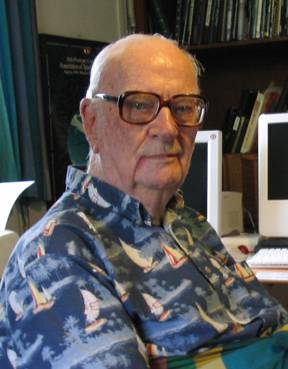
Citations de ses romans, Les Enfants d'Icare (1953)
Arthur C. Clarke: 224 citations0 J'aime
Arthur C. Clarke citations célèbres
Citations de ses romans, Le Marteau de Dieu (1993)
Citations de ses nouvelles, La sentinelle, 1951
Citations de ses nouvelles, [Sentinelle]La sentinelle, 1951
Citations de ses nouvelles, La sentinelle, 1951
Arthur C. Clarke Citations
Citations de ses romans, Les Enfants d'Icare (1953)
Citations de ses romans, Le Marteau de Dieu (1993)
Citations de ses romans, Les Enfants d'Icare (1953)
Citations de ses romans, Le Marteau de Dieu (1993)
Citations de ses romans, Le Marteau de Dieu (1993)
Citations de ses nouvelles, La sentinelle, 1951
Citations de ses romans, Le Marteau de Dieu (1993)
Arthur C. Clarke: Citations en anglais
“Now I understand,” said the last man.”
Arthur C. Clarke livre Childhood's End
Source: Childhood's End
“The thing’s hollow—it goes on forever—and—oh my God!”
Arthur C. Clarke livre 2001: A Space Odyssey
Source: 2001: A Space Odyssey
“I don't believe in God but I'm very interested in her.”
As quoted in Multiple Intelligences in Practice : Enhancing Self-esteem and Learning in the Classroom (2006) by Mike Fleetham, Section 2 : Using MI
2000s and attributed from posthumous publications
Arthur C. Clarke livre 2001: A Space Odyssey
Source: 2001: A Space Odyssey
“Open the pod bay doors, Hal.”
Arthur C. Clarke livre 2001: A Space Odyssey
Source: 2001: A Space Odyssey
“… the newspapers of Utopia, he had long ago decided, would be terribly dull.”
Arthur C. Clarke livre 2001: A Space Odyssey
Source: 2001: A Space Odyssey
As quoted in The Mammoth Book of Zingers, Quips, and One-Liners (2004) by Geoff Tibballs, p. 264
2000s and attributed from posthumous publications
Arthur C. Clarke livre Childhood's End
Source: Childhood's End
Source: Profiles of the Future: An Inquiry into the Limits of the Possible
Arthur C. Clarke livre Rendezvous with Rama
Source: Rendezvous with Rama
“Overhead, without any fuss, the stars were going out.”
Arthur C. Clarke livre The Nine Billion Names of God
1950s
Source: "The Nine Billion Names of God", 1953
“But he knew well enough that any man in the right circumstances could be dehumanised by panic.”
Arthur C. Clarke livre 2001: A Space Odyssey
Source: 2001: A Space Odyssey
“The time was fast approaching when Earth, like all mothers, must say farewell to her children.”
Arthur C. Clarke livre 2001: A Space Odyssey
Source: 2001: A Space Odyssey
“When in doubt, say nothing and move on.”
Arthur C. Clarke livre Rendezvous with Rama
Source: Rendezvous with Rama
“Excessive interest in pathological behavior was itself pathological”
Arthur C. Clarke livre 3001: The Final Odyssey
Source: 3001: The Final Odyssey
“Now I can rejoice that I knew you, rather than mourn because I lost you.”
Source: The Songs Of Distant Earth
We'll Never Conquer Space (1960)
Arthur C. Clarke livre The Fountains of Paradise
Source: The Fountains of Paradise (1979), Chapter 16 “Conversations with Starglider” (p. 95)
Source: 1970s, Chapter 3 (The Future of Transport) in Profiles of the Future (7th printing, 1972)
“Even though you were once a goddess, Kalidasa’s heaven was only an illusion.”
Arthur C. Clarke livre The Fountains of Paradise
Source: The Fountains of Paradise (1979), Chapter 11 “The Silent Princess” (p. 67)
Arthur C. Clarke livre The City and the Stars
Source: The City and the Stars (1956), Chapter 7 (p. 44)
“Human judges can show mercy. But against the laws of nature, there is no appeal.”
"Sir Arthur's Quotations" http://www.clarkefoundation.org/about-sir-arthur/sir-arthurs-quotations/, The Arthur C. Clarke Foundation. <br class="br">Disputed
Arthur C. Clarke livre The Light of Other Days
Source: The Light of Other Days (2000), Chapter 26
“If children have interests then education happens.”
As quoted in Ted Talk "The child-driven education" http://www.ted.com/talks/sugata_mitra_the_child_driven_education.html by Sugata Mitra (2012) <br class="br">2000s and attributed from posthumous publications
Arthur C. Clarke livre The City and the Stars
Source: The City and the Stars (1956), Chapter 5 (p. 33)
The Exploration of Space (1951)
1950s
As quoted in "Humanity will survive information deluge — Sir Arthur C Clarke" in OneWorld South Asia (5 December 2003) http://southasia.oneworld.net/article/view/74591/1 <br class="br">2000s and attributed from posthumous publications


