Ayn Rand book The New Left: The Anti-Industrial Revolution
Source: The New Left: The Anti-Industrial Revolution (1971), p. 88
Ayn Rand was a Russian-American writer and philosopher. She is known for her two best-selling novels, The Fountainhead and Atlas Shrugged, and for developing a philosophical system she named Objectivism. Educated in Russia, she moved to the United States in 1926. She had a play produced on Broadway in 1935 and 1936. After two early novels that were initially unsuccessful, she achieved fame with her 1943 novel, The Fountainhead. In 1957, Rand published her best-known work, the novel Atlas Shrugged. Afterward, she turned to non-fiction to promote her philosophy, publishing her own periodicals and releasing several collections of essays until her death in 1982.
Rand advocated reason as the only means of acquiring knowledge and rejected faith and religion. She supported rational and ethical egoism and rejected altruism. In politics, she condemned the initiation of force as immoral and opposed collectivism and statism as well as anarchism, instead supporting laissez-faire capitalism, which she defined as the system based on recognizing individual rights, including property rights. In art, Rand promoted romantic realism. She was sharply critical of most philosophers and philosophical traditions known to her, except for Aristotle, Thomas Aquinas and classical liberals.Literary critics received Rand's fiction with mixed reviews and academia generally ignored or rejected her philosophy, though academic interest has increased in recent decades. The Objectivist movement attempts to spread her ideas, both to the public and in academic settings. She has been a significant influence among libertarians and American conservatives. Wikipedia
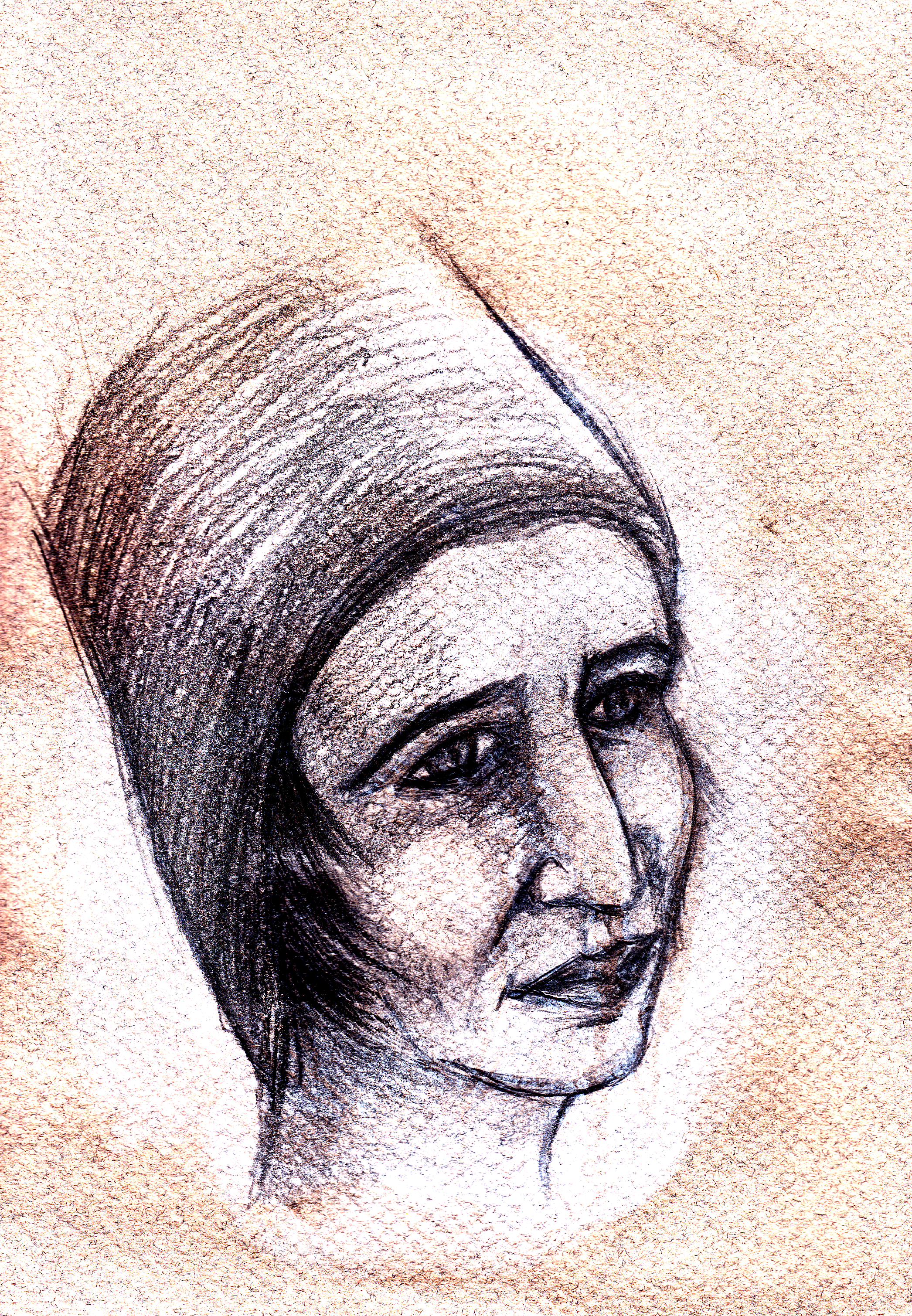
Ayn Rand book The New Left: The Anti-Industrial Revolution
Source: The New Left: The Anti-Industrial Revolution (1971), p. 88
We The Living (1936)
Source: We The Living Last Page
Ayn Rand book The Virtue of Selfishness
The Virtue of Selfishness (1964)
What they got was Napoleon. In 1776, the Americans were proclaiming "The Rights of Man"—and, led by political philosophers, they achieved it. No revolution, no matter how justified, and no movement, no matter how popular, has ever succeeded without a political philosophy to guide it, to set its direction and goal.
The Ayn Rand Column
The Ayn Rand Letter (1971–1976)
Ayn Rand book The New Left: The Anti-Industrial Revolution
Source: The New Left: The Anti-Industrial Revolution (1971), p. 136
Ayn Rand book The Romantic Manifesto
Source: The Romantic Manifesto (1969), Chapter 3 ("Art and Sense of Life")
“The moral precept to adopt…is: Judge, and be prepared to be judged.”
Ayn Rand book The Virtue of Selfishness
The Virtue of Selfishness (1964)
Ayn Rand book Capitalism: The Unknown Ideal
Capitalism: The Unknown Ideal (1966)
““Free competition enforced by law” is a grotesque contradiction in terms.”
The Objectivist Newsletter “Antitrust: The Rule of Unreason,” The Objectivist Newsletter, Feb. 1962, 1
“What Can One Do?” The Ayn Rand Letter, Vol. 1, No. 7 (1972)
Ayn Rand book The New Left: The Anti-Industrial Revolution
Source: The New Left: The Anti-Industrial Revolution (1971), p. 134
Ayn Rand book The New Left: The Anti-Industrial Revolution
Source: The New Left: The Anti-Industrial Revolution (1971), p. 99
We The Living (1936)
Source: We The Living Part One Chapter 9
“A culture is made — or destroyed — by its articulate voices.”
Ayn Rand book The Voice of Reason
The Voice of Reason (1989)
Apollo and Dionysus (1969)
Ayn Rand book Capitalism: The Unknown Ideal
Capitalism: The Unknown Ideal (1966)
Apollo and Dionysus (1969)
Ayn Rand book The Virtue of Selfishness
The Virtue of Selfishness (1964)
Ayn Rand Ford Hall Forum lecture, 1974, text published on the website of The Ayn Rand Institute http://www.aynrand.org/site/PageServer?pagename=media_america_at_war_israeli_arab_conflict
Ayn Rand book Capitalism: The Unknown Ideal
Capitalism: The Unknown Ideal (1966)
“It is futile to fight against, if one does not know what one is fighting for.”
Ayn Rand book Capitalism: The Unknown Ideal
Capitalism: The Unknown Ideal (1966)
Ayn Rand book The Virtue of Selfishness
The Virtue of Selfishness (1964)
Ayn Rand book The Romantic Manifesto
Source: The Romantic Manifesto (1969), Chapter 3 ("Art and Cognition")
Q and A session during taping of Donohue, Live in New York (1979) Ayn Rand on Israel and the Middle East https://www.youtube.com/watch?v=2uHSv1asFvU
Textbook of Americanism http://laissez-fairerepublic.com/textbook.htm (1946).
Apollo and Dionysus (1969)
Apollo and Dionysus (1969)
Ayn Rand book Capitalism: The Unknown Ideal
Capitalism: The Unknown Ideal (1966)
Ayn Rand book Capitalism: The Unknown Ideal
Capitalism: The Unknown Ideal (1966)


