
C.G. Jung book Psychological Types
Source: Psychological Types, or, The Psychology of Individuation (1921), Ch. 1, p. 82
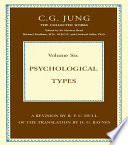
Psychological Types is Volume 6 in the Princeton / Bollingen edition of The Collected Works of C. G. Jung. It was also published in the U.K. by Routledge. The original German language edition, Psychologische Typen, was first published by Rascher Verlag, Zurich in 1921. Extensive detailed abstracts of each chapter are available online.In the book Jung proposed four main functions of consciousness:
C.G. Jung book Psychological Types
Source: Psychological Types, or, The Psychology of Individuation (1921), Ch. 1, p. 82
C.G. Jung book Psychological Types
Variant translation: We should not pretend to understand the world only by the intellect. The judgement of the intellect is only part of the truth.
Conclusion, p. 628
Psychological Types, or, The Psychology of Individuation (1921)
C.G. Jung book Psychological Types
Source: Psychological Types, or, The Psychology of Individuation (1921), Ch. 1, p. 82
Context: The dynamic principle of fantasy is play, a characteristic also of the child, and as such it appears inconsistent with the principle of serious work. But without this playing with fantasy no creative work has ever yet come to birth. The debt we owe to the play of imagination is incalculable. It is therefore short-sighted to treat fantasy, on account of its risky or unacceptable nature, as a thing of little worth.
C.G. Jung book Psychological Types
Source: Psychological Types, or, The Psychology of Individuation (1921), Ch. 5, p. 271
Context: The great problems of life — sexuality, of course, among others — are always related to the primordial images of the collective unconscious. These images are really balancing or compensating factors which correspond with the problems life presents in actuality. This is not to be marvelled at, since these images are deposits representing the accumulated experience of thousands of years of struggle for adaptation and existence.


