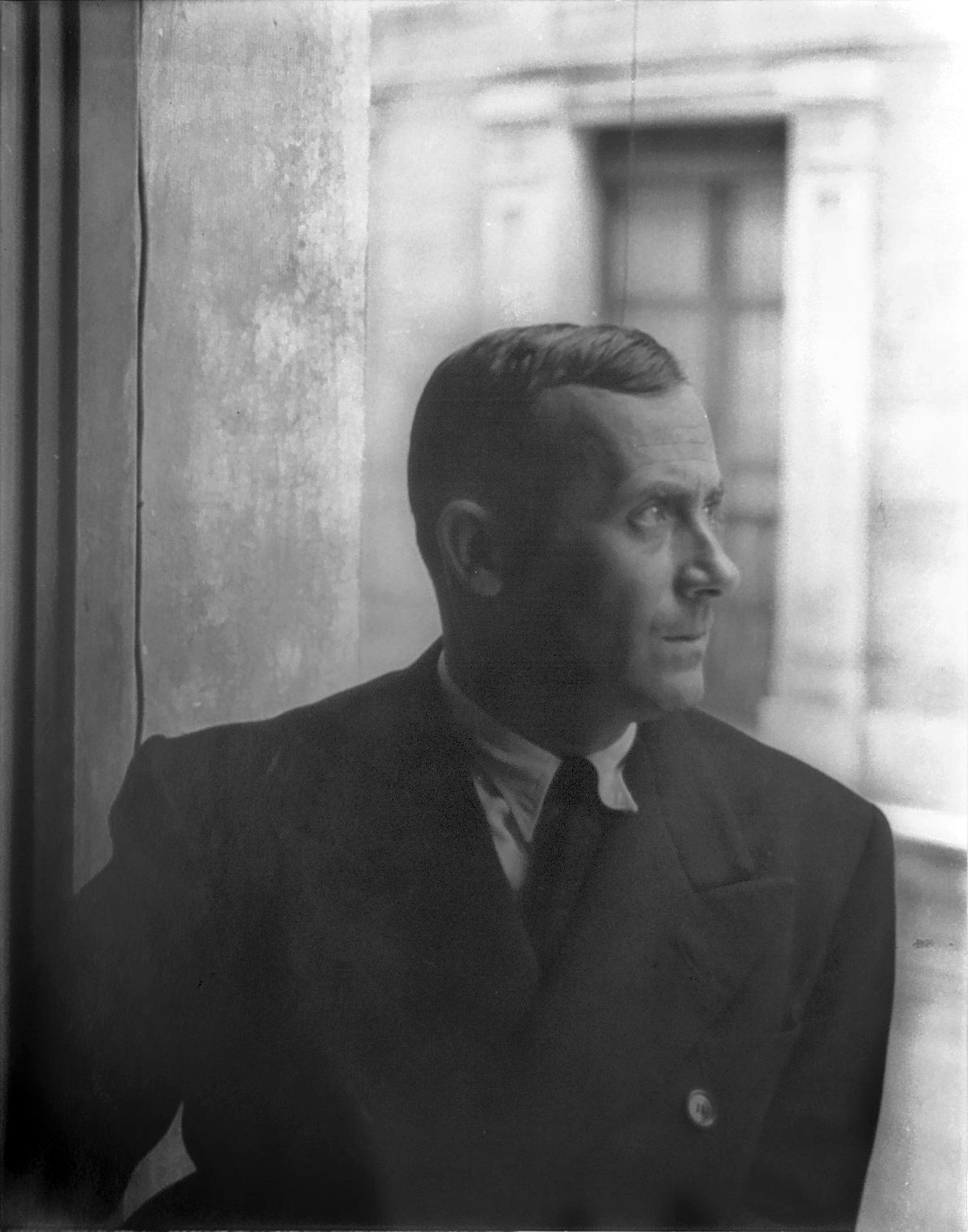
Joan Miró słynne cytaty
Źródło: Maria Rzepińska, Siedem wieków malarstwa europejskiego, wyd. II, popr., Zakład Narodowy im. Ossolińskich, Wrocław 1986, s. 466.
Joan Miró: Cytaty po angielsku
“I try to apply colors like words that shape poems, like notes that shape music.”
from: Joan Miro: Selected Writings and Interviews, M.Rowell, Thames and Hudson, 1987
1940 - 1960
1915 - 1940
Źródło: a letter to art-seller in New York Pierre Matisse, [son of Henri Matisse, 19 February 1936]; the Pierre Matisse Gallery Archives, The Pierpont Morgan Library, New York MA 5020
“Have you ever heard of anything more stupid than 'abstraction-abstraction?'”
and they ask me into their deserted house [probably Miro meant the group 'Abstraction-Création', founded by a. o. Jean Arp and André Breton; both coined Miro's art in 1931 as 'mobile' and 'stabile'] as if the marks I put on a canvas did not correspond to a concrete representation of my mind, did not possess a profound reality, were not a part of the real itself.
1930s
Źródło: 'Où allez-vous Miró?', art critic Georges Duthuit in Cahiers d'Art 261, nos. 8-10, 1936
In a letter to Pierre Matisse, 26 January 1946; as quoted in Calder Miro, ed. Elizabeth Hutton Turner / Oliver Wick; Philip Wilson Publishers, London 2004, p. 70
1940 - 1960
Barcelona - Dada, 1917
1915 - 1940
Źródło: a letter to Enric C. Ricart, 1 October 1917; as quoted in Calder Miró, ed. Elizabeth Hutton Turner / Oliver Wick; Philip Wilson Publishers, London 2004, p. 47
1961 and later
Źródło: 'New York Times', 3 April 1969
'Working notes of Miro, 1940 – 1941'; as quoted in: Calder Miró, ed. Elizabeth Hutton Turner / Oliver Wick; Philip Wilson Publishers, London 2004, p. 69
1940 - 1960
1940 - 1960
Źródło: On the Readability of Signs; Miro's path from Mysterious to Comic Pictorial signs, Sylvia Martin; Düsseldorf 2002, p. 67
1915 - 1940
Źródło: 'Où allez-vous Miro?', Georges Duthuit in Cahiers d'Art 11, nos. 8-10, 1936
1915 - 1940
Źródło: 'Où allez-vous Miró?', art critic Georges Duthuit in Cahiers d'Art 261, nos. 8-10, 1936
Quote of Miró in 'Bravo' Barcelona 1994; as cited in Calder Miro, ed. Elizabeth Hutton Turner / Oliver Wick; Philip Wilson Publishers, London 2004, p. 37
1915 - 1940
from: Miro, on English Wikipedia
Miró's quote on 'automatic painting and drawing', explaining the start of his work 'Harlequin's Carnival' he made in Paris, strongly admired then by Surrealists like André Breton
1915 - 1940
Miró admonished art-critic w:Georges Duthuit
1915 - 1940
Źródło: 'Où allez-vous Miró?' (Where do you go, Miró), Georges Duthuit in Cahiers d'Art 11, nos. 8-10, 1936
from: English Wikipedia, Joan Miró, 1958, as quoted in Twentieth-Century Artists on Art, ed. Dore Ashton, 1986
1940 - 1960
1961 and later
Źródło: his 'Foreword', Barcelona 1977; as quoted in Calder Miro, ed. Elizabeth Hutton Turner / Oliver Wick; Philip Wilson Publishers, London 2004, p. 309
1915 - 1940
Źródło: Calder Miró, ed. Elizabeth Hutton Turner / Oliver Wick; Philip Wilson Publishers, London 2004, p. 76
In a letter to his art-seller Pierre Matisse, 12 October 1934; as quoted in Calder Miro, ed. Elizabeth Hutton Turner / Oliver Wick; Philip Wilson Publishers, London 2004, p. 82, note 24
1915 - 1940
“To gain freedom is to gain simplicity.”
Joan Miró, Joan Miró Foundation
1940 - 1960
1961 and later
Źródło: Revelations', Luis Permanyer, April 1978; as quoted in Calder Miró, ed. Elizabeth Hutton Turner / Oliver Wick; Philip Wilson Publishers, London 2004, p. 81 note 10
1961 and later
Miro describes his 'attacks' on the canvas
Quote of Miró in his 'Working notes, 1941 – 1942'; as cited in Calder Miró, ed. Elizabeth Hutton Turner / Oliver Wick; Philip Wilson Publishers, London 2004, p. 69
1940 - 1960
In a letter to his friend Calder, Barcelona, 18 March 1946; as quoted in Calder Miró, ed. Elizabeth Hutton Turner / Oliver Wick; Philip Wilson Publishers, London 2004, p. 268
1940 - 1960
“Painting must be fertile. It must give birth to a world.... it must fertilize the imagination.”
from: Taillandier, 1959; as quoted in Calder Miró, ed. Elizabeth Hutton Turner / Oliver Wick; Philip Wilson Publishers, London 2004, p. 82, note 24
1940 - 1960
1915 - 1940
Źródło: 'Je rêve d'un grand atelier', Miro 1938; as quoted in Calder Miró, ed. Elizabeth Hutton Turner / Oliver Wick; Philip Wilson Publishers, London 2004, p. 65
1961 and later
in a review of his Bernheim show, G. J. Gros, Fall 1933; as quoted in Calder Miro, ed. Elizabeth Hutton Turner / Oliver Wick; Philip Wilson Publishers, London 2004, p. 81 note 10
1915 - 1940


