„Czy Bóg mógłby stworzyć trójkąt, w którym kąty wewnętrzne nie sumują się do 180 stopni?”
paradoks omnipotencji, wg innej wersji brzmiał: „Czy byt wszechmogący mógłby stworzyć kamień tak ciężki, że nawet on sam nie mógłby go podnieść?”
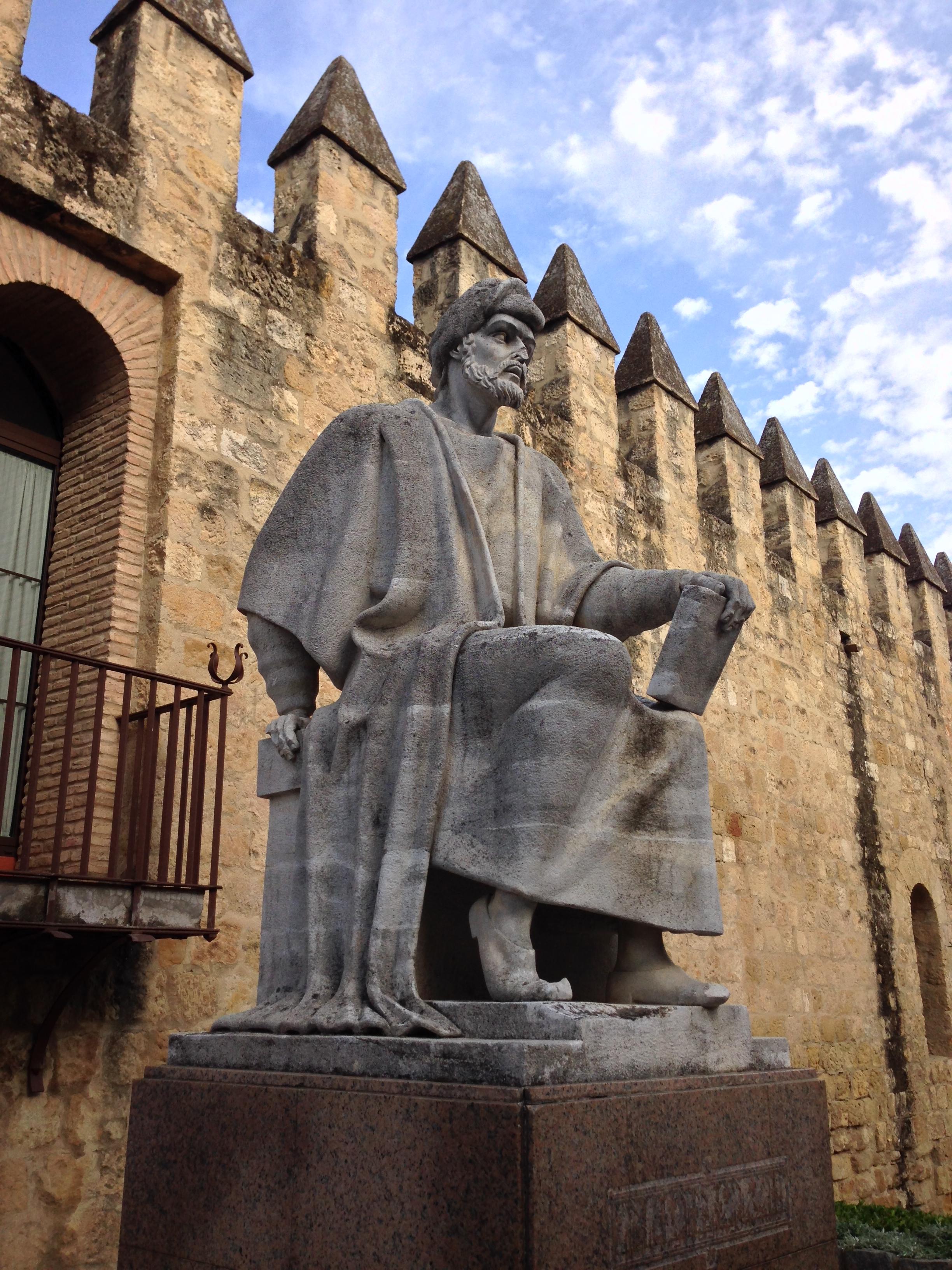
Awerroes – filozof, teolog, lekarz, prawnik, polityk i matematyk arabski z Kordowy, wygnany za nieprawowierne poglądy filozoficzne; zmarł na wygnaniu w Marrakeszu.
Awerroes był zafascynowany filozofią Arystotelesa, którego uważał za największego człowieka w dziejach i którego dzieła komentował. Najbardziej znana jest jego teoria „dwóch prawd” oraz poglądy na duszę ludzką. Uważał on, że jest ona nieśmiertelna tylko jako jedna dusza ludzkości, a indywidualne dusze giną po śmierci ciała. Awerroes starał się uzgodnić swoje poglądy filozoficzne z ortodoksyjną teologią islamską, twierdząc, że prawdy religijne są inną interpretacją prawd, które odkrywa filozofia, ale nie ma między nimi sprzeczności.
Za pośrednictwem Awerroesa zachodni uczeni poznali większość dzieł Arystotelesa, a razem z nimi klasyczną logikę. Jego przekłady na arabski zostały przez hiszpańskich i sycylijskich uczonych przełożone na łacinę, co miało ogromne znaczenie dla studiów scholastycznych.
Jego komentarze były tak trafne, że za Tomaszem z Akwinu Awerroes był nazywany po prostu Komentatorem. Tomasz z Akwinu przeciwstawiał się jednak w kilku istotnych kwestiach Awerroesowi i jego uczniom, np. co do twierdzenia, że można dowieść wieczności świata. Akwinata bronił twierdzenia, że świat został stworzony przez Boga z niczego . Polemizował z tymi poglądami w dziełku O wieczności świata przeciw szemrzącym oraz w Sumie przeciw poganom II, 31-38. Tomasz bronił też nieśmiertelności i indywidualności duszy ludzkiej.
Oddziaływały także jego poglądy: Siger z Brabancji był założycielem szkoły filozoficznej określanej jako awerroizm łaciński.
„Czy Bóg mógłby stworzyć trójkąt, w którym kąty wewnętrzne nie sumują się do 180 stopni?”
paradoks omnipotencji, wg innej wersji brzmiał: „Czy byt wszechmogący mógłby stworzyć kamień tak ciężki, że nawet on sam nie mógłby go podnieść?”
“This is one of the most intricate problems of religion.”
Averroes książka On the Harmony of Religions and Philosophy
Part 3: Of Fate And Predestination; Opening sentence
On the Harmony of Religions and Philosophy
Kontekst: This is one of the most intricate problems of religion. For if you look into the traditional arguments () about this problem you will find them contradictory; such also being the case with arguments of reason. The contradiction in the arguments of the first kind is found in the Qur'an and the Hadith.
Averroes książka On the Harmony of Religions and Philosophy
Part 1: The Creation of the Universe; Opening sentence
On the Harmony of Religions and Philosophy
Attributed to Averroes in Voices of Islam: Voices of change (2007) by Vincent J. Cornell, p. 35
“Knowledge is the conformity of the object and the intellect.”
Attributed to Averroes, in: John Bartlett (1968) Familiar Qutations. p. 155
FM 44 as cited in: Oliver Leaman (2002) An Introduction to Classical Islamic Philosophy, p. 179
The Decisive Treatise
Averroes, Ralph Lerner (1974) Averroes On Plato's Republic. p. xxiv
Averroes książka On the Harmony of Religions and Philosophy
On the Harmony of Religions and Philosophy
The Decisive Treatise
Źródło: Jon McGinnis, David C. Reisman (2007) Classical Arabic Philosophy: An Anthology of Sources. p. 310
Averroes książka On the Harmony of Religions and Philosophy
Part 2: The Advent of the Prophets; Opening sentence
On the Harmony of Religions and Philosophy
Introduction
The Decisive Treatise
As cited in "Being and Language in Averroes' “Tahafut At-Tahafut” (2003) by Massimo Campanini
Ch 2. 44
The Decisive Treatise
Averroës, Charles Edwin Butterworth (1977) Averroës' Three Short Commentaries on Aristotle's "Topics,". p. 92
Averroes książka On the Harmony of Religions and Philosophy
On the Harmony of Religions and Philosophy
Ch 1.9
The Decisive Treatise
Averroes książka On the Harmony of Religions and Philosophy
Pat 5: The Day of Judgment; Opening sentence
On the Harmony of Religions and Philosophy
Averroes książka On the Harmony of Religions and Philosophy
Part 4: Divine Justice and Injustice; Opening sentence
On the Harmony of Religions and Philosophy


