
Thomas Love Peacock book Crotchet Castle
Crotchet Castle, chapter IX. Though not named, the author under discussion is clearly Sir Walter Scott.
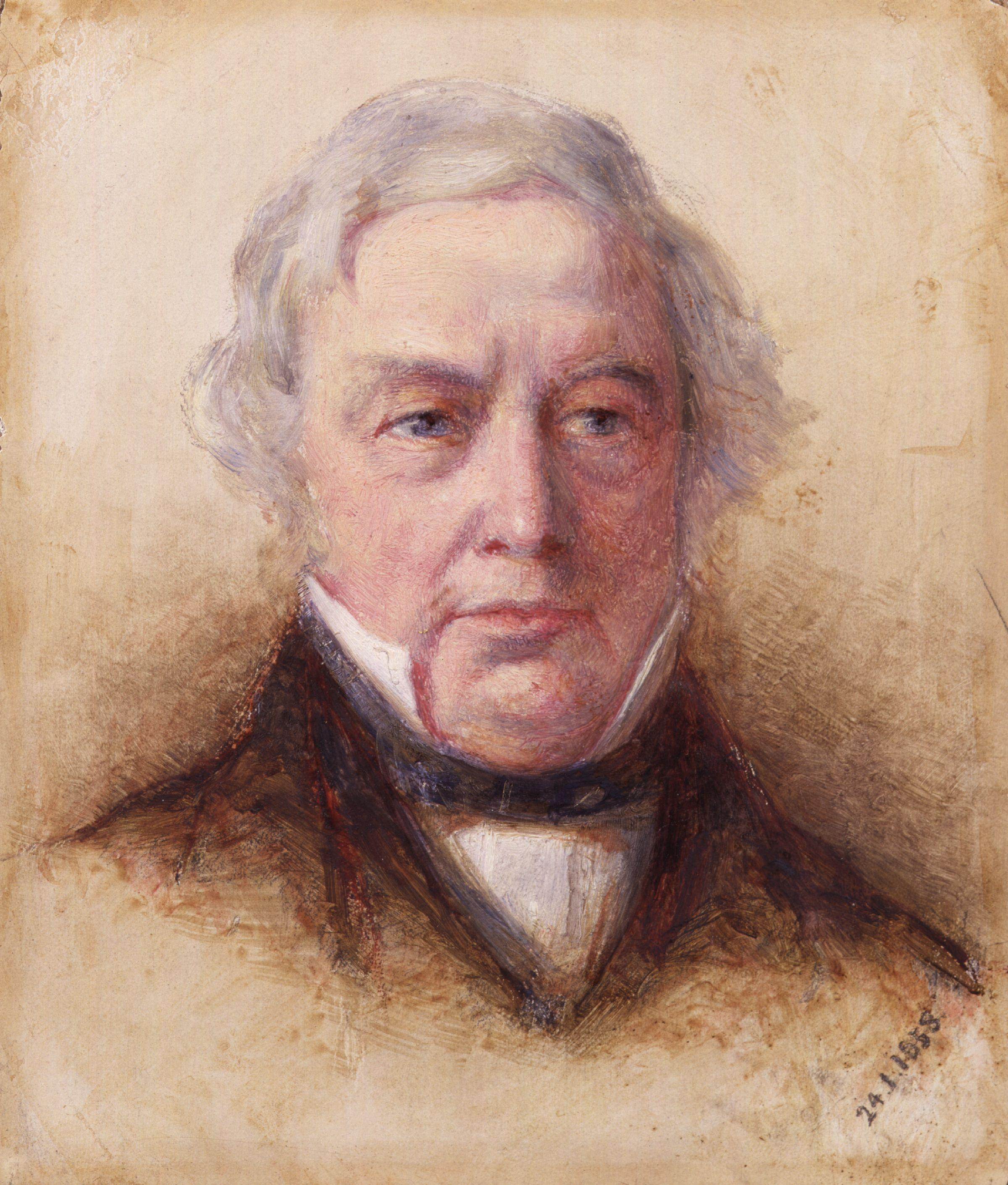
Thomas Love Peacock was an English novelist, poet, and official of the East India Company. He was a close friend of Percy Bysshe Shelley and they influenced each other's work. Peacock wrote satirical novels, each with the same basic setting: characters at a table discussing and criticising the philosophical opinions of the day. Wikipedia
Thomas Love Peacock book Crotchet Castle
Crotchet Castle, chapter IX. Though not named, the author under discussion is clearly Sir Walter Scott.
“Respectable means rich, and decent means poor. I should die if I heard my family called decent.”
Thomas Love Peacock book Crotchet Castle
Crotchet Castle, chapter III (1832).
Thomas Love Peacock book Melincourt
Melincourt, chapter XVI.
“Marriage may often be a stormy lake, but celibacy is almost always a muddy horsepond.”
Thomas Love Peacock book Melincourt
Melincourt, chapter VII (1817).
Thomas Love Peacock book Headlong Hall
Headlong Hall, chapter V (1816).
"The War-Song of Dinas Vawr", stanzas 1 and 3, from The Misfortunes of Elphin, chapter XI (1829). In the same chapter this is described as "the quintessence of all the war-songs that ever were written, and the sum and substance of all the appetencies, tendencies, and consequences of military glory".
“I almost think it is the ultimate destiny of science to exterminate the human race.”
Thomas Love Peacock book Gryll Grange
Gryll Grange, chapter XIX (1860).
“I never failed to convince an audience that the best thing they could do was to go away.”
Thomas Love Peacock book Crotchet Castle
Crotchet Castle, chapter XVIII.
“The waste of plenty is the resource of scarcity.”
Thomas Love Peacock book Melincourt
Melincourt, chapter XXIV.


