Lucius Cornelius Sulla Quotes

Lucius Cornelius Sulla Felix , known commonly as Sulla, was a Roman general and statesman. He had the distinction of holding the office of consul twice, as well as reviving the dictatorship. Sulla was a skillful general, achieving numerous successes in wars against different opponents, both foreign and Roman. He was awarded a grass crown, the most prestigious Roman military honor, during the Social War.

Sulla's dictatorship came during a high point in the struggle between optimates and populares, the former seeking to maintain the Senate's oligarchy, and the latter espousing populism.

In a dispute over the eastern army command Sulla marched on Rome in an unprecedented act and defeated Marius in battle. In 81 BC, after his second march on Rome, he revived the office of dictator, which had been inactive since the Second Punic War over a century before, and used his powers to enact a series of reforms to the Roman Constitution, meant to restore the primacy of the Senate and limit the power of the tribunes. Sulla's ascension was also marked by political purges in proscriptions. After seeking election to and holding a second consulship, he retired to private life and died shortly after.

Sulla's decision to seize power – ironically enabled by his rival's military reforms that bound the army's loyalty with the general rather than to Rome – permanently destabilized the Roman power structure. Later leaders like Julius Caesar would follow his precedent in attaining political power through force.
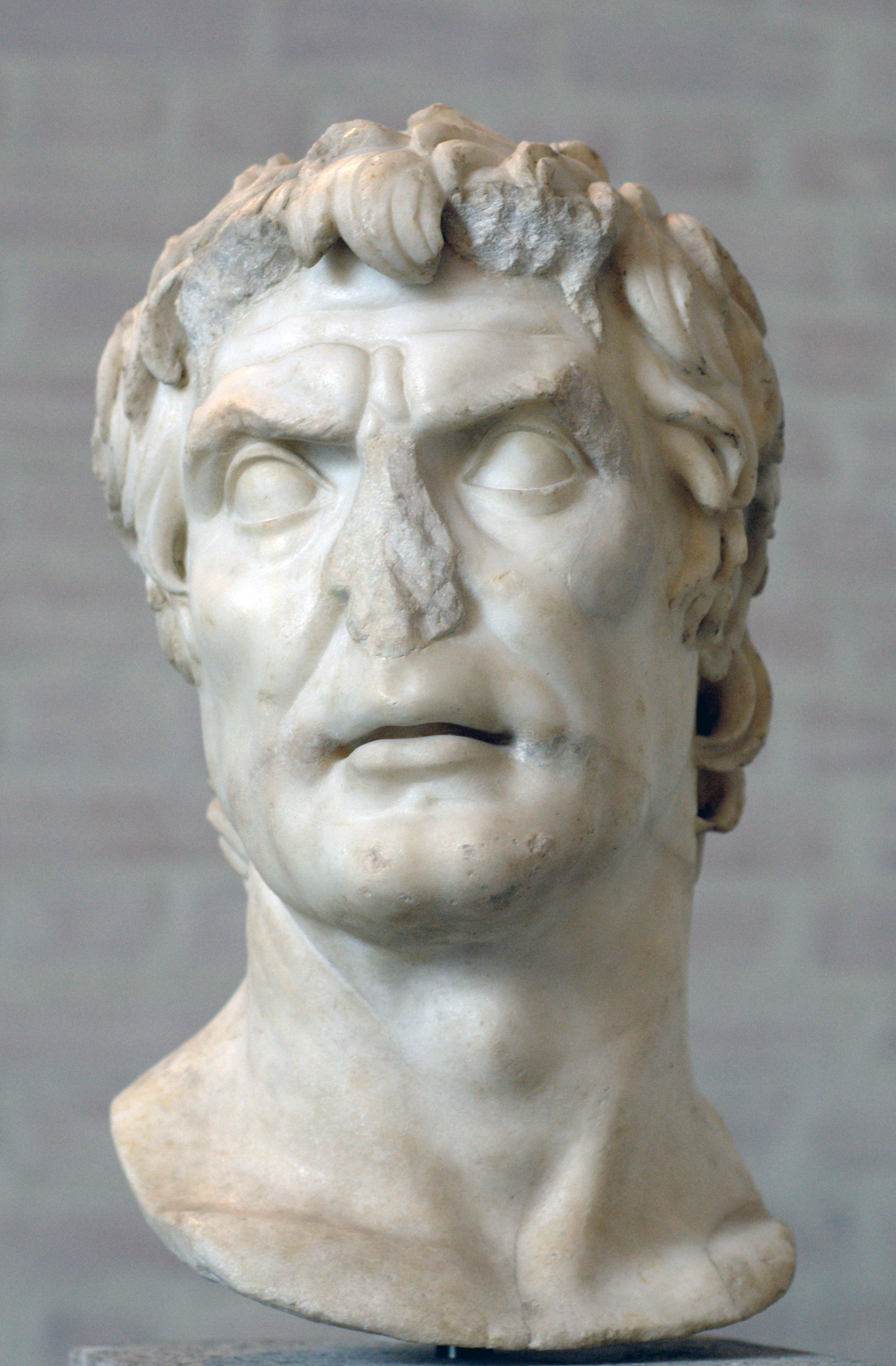


✵ 138 BC – 78 BC
Lucius Cornelius Sulla photo
Lucius Cornelius Sulla: 4 quotes1 like

Famous Lucius Cornelius Sulla Quotes

“How is this? Ought not the petitioner to speak first, and the conqueror to listen in silence?”

Lucius Cornelius Sulla

To Mithridates VI of Pontus, at a peace conference, as quoted in " Sylla http://classics.mit.edu/Plutarch/sylla.html" by Plutarch in Plutarch's Lives as translated by John Dryden

“I forgive the many for the sake of the few, the living for the dead.”

Lucius Cornelius Sulla

On calling an end to the sacking of Athens, after a plea on its behalf by two Athenians loyal to Rome, as quoted in The Story of Rome : From the Earliest Times to the Death of Augustus (1900) by Mary Macgregor; also said to be in a translation of Plutarch's works.

“He ought to have worked at the oar before steering the vessel.”

Lucius Cornelius Sulla

Upon being handed the head of his enemy Gaius Marius the Younger http://www.perseus.tufts.edu/hopper/text?doc=Perseus%3Atext%3A1999.04.0104%3Aalphabetic+letter%3DM%3Aentry+group%3D10%3Aentry%3Dmarius-bio-2 (Also translated as: "First you must learn to pull an oar, only then can you take the helm")

“No friend ever served me, and no enemy ever wronged me, whom I have not repaid in full.”

Lucius Cornelius Sulla

His self-made epitaph, as quoted in Heroes of History : A Brief History of Civilization from Ancient Times to the Dawn of the Modern Age (2001) by Will Durant; variant translation: "...nor enemy harmed me"

Similar authors

Julius Caesar photo
Julius Caesar18
Roman politician and general None
Juvenal photo
Juvenal24
ancient roman poet None
Virgil photo
Virgil138
Ancient Roman poet None
Quintilian photo
Quintilian18
ancient Roman rhetor None
Tacitus photo
Tacitus42
Roman senator and historian None
Marcus Aurelius photo
Marcus Aurelius400
Emperor of Ancient Rome None
Aesop photo
Aesop36
ancient Greek storyteller None
Isocrates photo
Isocrates23
ancient greek rhetorician None
Aeschylus photo
Aeschylus119
ancient Athenian playwright None
Petronius photo
Petronius11
Roman courtier, supposed author of the Satyricon None