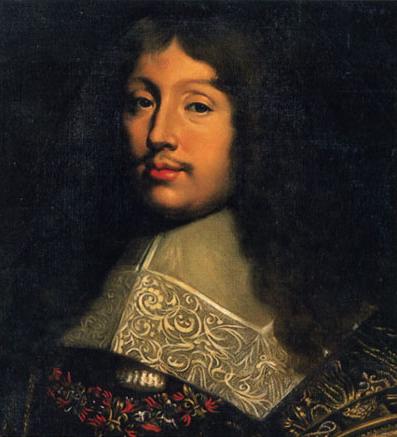
Reflections on Various Subjects (1665–1678), I. On Confidence
François de La Rochefoucauld: 156 quotes22 likes
François de La Rochefoucauld Quotes
“It is a great folly to wish to be wise alone.”
François de La Rochefoucauld book Reflections; or Sentences and Moral Maxims
C'est une grande folie de vouloir être sage tout seul.
Maxim 231.
Reflections; or Sentences and Moral Maxims (1665–1678)
“Hypocrisy is an homage that vice pays to virtue.”
François de La Rochefoucauld book Reflections; or Sentences and Moral Maxims
L'hypocrisie est un hommage que le vice rend à la vertu.
Maxim 218.
Reflections; or Sentences and Moral Maxims (1665–1678)
François de La Rochefoucauld book Reflections; or Sentences and Moral Maxims
Dans l'amitié comme dans l'amour on est souvent plus heureux par les choses qu'on ignore que par celles que l'on sait.
Variant translation: In friendship as in love, we are often happier due to the things we are unaware of than the things we know.
Maxim 441.
Reflections; or Sentences and Moral Maxims (1665–1678)
“Who lives without folly is not as wise as he thinks.”
François de La Rochefoucauld book Reflections; or Sentences and Moral Maxims
Qui vit sans folie n'est pas si sage qu'il croit.
Maxim 209.
Reflections; or Sentences and Moral Maxims (1665–1678)
“It is useless to be young without being beautiful, or beautiful without being young.”
François de La Rochefoucauld book Reflections; or Sentences and Moral Maxims
Il ne sert à rien d'être jeune sans être belle, ni d'être belle sans être jeune.
Maxim 497.
Reflections; or Sentences and Moral Maxims (1665–1678)
“We try to make virtues out of the faults we have no wish to correct.”
François de La Rochefoucauld book Reflections; or Sentences and Moral Maxims
Nous essayons de nous faire honneur des défauts que nous ne voulons pas corriger.
Maxim 442.
Reflections; or Sentences and Moral Maxims (1665–1678)
François de La Rochefoucauld book Reflections; or Sentences and Moral Maxims
Notre repentir n'est pas tant un regret du mal que nous avons fait, qu'une crainte de celui qui nous en peut arriver.
Maxim 180.
Reflections; or Sentences and Moral Maxims (1665–1678)
François de La Rochefoucauld book Reflections; or Sentences and Moral Maxims
Les vieillards aiment à donner de bons préceptes, pour se consoler de n'être plus en état de donner de mauvais exemples.
Maxim 93.
Reflections; or Sentences and Moral Maxims (1665–1678)
François de La Rochefoucauld book Reflections; or Sentences and Moral Maxims
On a fait une vertu de la modération pour borner l’ambition des grands hommes, et pour consoler les gens médiocres de leur peu de fortune, et de leur peu de mérite.
Maxim 308.
Reflections; or Sentences and Moral Maxims (1665–1678)
“One must not just have great qualities, but also economize them”
François de La Rochefoucauld book Reflections; or Sentences and Moral Maxims
Ce n'est pas assez d'avoir de grandes qualités, il en faut avoir l'économie.
Variant translation: It is not enough to have great qualities; one must also make use of them sparingly.
Maxim 159.
Reflections; or Sentences and Moral Maxims (1665–1678)
“We need greater virtues to sustain good than evil fortune.”
François de La Rochefoucauld book Reflections; or Sentences and Moral Maxims
Il faut de plus grandes vertus pour soutenir la bonne fortune que la mauvaise.
Maxim 25.
Reflections; or Sentences and Moral Maxims (1665–1678)
François de La Rochefoucauld book Reflections; or Sentences and Moral Maxims
Il y a une élévation qui ne dépend point de la fortune: c’est un certain air qui nous distingue et qui semble nous destiner aux grandes choses; c’est un prix que nous nous donnons imperceptiblement à nous-mêmes; c’est par cette qualité que nous usurpons les déférences des autres hommes, et c’est elle d’ordinaire qui nous met plus au-dessus d’eux que la naissance, les dignités, et le mérite même.
Maxim 399.
Reflections; or Sentences and Moral Maxims (1665–1678)
Reflections on Various Subjects (1665–1678), V. On Conversation
François de La Rochefoucauld book Reflections; or Sentences and Moral Maxims
La sincérité est une ouverture de coeur. On la trouve en fort peu de gens; et celle que l'on voit d'ordinaire n'est qu'une fine dissimulation pour attirer la confiance des autres.
Maxim 62.
Reflections; or Sentences and Moral Maxims (1665–1678)
“Nothing prevents us being natural so much as the desire to appear so.”
François de La Rochefoucauld book Reflections; or Sentences and Moral Maxims
Rien n'empêche tant d'être naturel que l'envie de le paraître.
Maxim 431.
Reflections; or Sentences and Moral Maxims (1665–1678)
François de La Rochefoucauld book Reflections; or Sentences and Moral Maxims
L'intérêt parle toutes sortes de langues, et joue toutes sortes de personnages, même celui de désintéressé.
Maxim 39.
Reflections; or Sentences and Moral Maxims (1665–1678)
“Some condemnations praise; some praise damns.”
François de La Rochefoucauld book Reflections; or Sentences and Moral Maxims
Il y a des reproches qui louent et des louanges qui médisent.
Maxim 148.
Reflections; or Sentences and Moral Maxims (1665–1678)
“We always like those who admire us; we do not always like those whom we admire.”
François de La Rochefoucauld book Reflections; or Sentences and Moral Maxims
Nous aimons toujours ceux qui nous admirent; et nous n'aimons pas toujours ceux que nous admirons.
Maxim 294.
Reflections; or Sentences and Moral Maxims (1665–1678)
“Hardly any man is clever enough to know all the evil he does.”
François de La Rochefoucauld book Reflections; or Sentences and Moral Maxims
Il n'y a guère d'homme assez habile pour connaître tout le mal qu'il fait.
Maxim 269.
Reflections; or Sentences and Moral Maxims (1665–1678)
“There is great skill in knowing how to conceal one's skill.”
François de La Rochefoucauld book Reflections; or Sentences and Moral Maxims
C'est une grande habileté que de savoir cacher son habileté.
Maxim 245.
Reflections; or Sentences and Moral Maxims (1665–1678)
“We would rather speak ill of ourselves than not talk about ourselves at all.”
François de La Rochefoucauld book Reflections; or Sentences and Moral Maxims
On aime mieux dire du mal de soi-même que de n'en point parler.
Maxim 138.
Reflections; or Sentences and Moral Maxims (1665–1678)
“When not prompted by vanity, we say little.”
François de La Rochefoucauld book Reflections; or Sentences and Moral Maxims
On parle peu quand la vanité ne fait pas parler.
Variant translation: We say little when vanity does not make us speak.
Maxim 137.
Reflections; or Sentences and Moral Maxims (1665–1678)
“Innocence is very far from finding as much protection as crime.”
François de La Rochefoucauld book Reflections; or Sentences and Moral Maxims
Il s'en faut bien que l'innocence ne trouve autant de protection que le crime.
Maxim 465.
Reflections; or Sentences and Moral Maxims (1665–1678)
“Only great men have great faults.”
François de La Rochefoucauld book Reflections; or Sentences and Moral Maxims
Il n'appartient qu'aux grands hommes d'avoir de grands défauts.
Maxim 190.
Reflections; or Sentences and Moral Maxims (1665–1678)
“We hardly find any persons of good sense save those who agree with us.”
François de La Rochefoucauld book Reflections; or Sentences and Moral Maxims
Nous ne trouvons guère de gens de bon sens, que ceux qui sont de notre avis.
Maxim 347. Compare: "'That was excellently observed,' say I when I read a passage in another where his opinion agrees with mine. When we differ, then I pronounce him to be mistaken." Jonathan Swift, Thoughts on Various Subjects.
Reflections; or Sentences and Moral Maxims (1665–1678)
“The refusal of praise is only the wish to be praised twice.”
François de La Rochefoucauld book Reflections; or Sentences and Moral Maxims
Le refus des louanges est un désir d'être loué deux fois.
Maxim 149.
Reflections; or Sentences and Moral Maxims (1665–1678)
“One is never so happy or so unhappy as one fancies.”
François de La Rochefoucauld book Reflections; or Sentences and Moral Maxims
On n'est jamais si heureux ni si malheureux qu'on s'imagine.
Maxim 49.
Reflections; or Sentences and Moral Maxims (1665–1678)
“How can we expect others to keep our secrets if we cannot keep them ourselves?”
Comment prétendons-nous qu'un autre puisse garder notre secret, si nous ne pouvons le garder nous-mêmes?
Maxim 64 of the Maximes supprimées.
Later Additions to the Maxims
Reflections on Various Subjects (1665–1678), V. On Conversation
“Most people judge men only by success or by fortune.”
François de La Rochefoucauld book Reflections; or Sentences and Moral Maxims
La plupart des gens ne jugent des hommes que par la vogue qu'ils ont, ou par leur fortune.
Variant translation: Most people judge men only by their fashion or their fortune.
Maxim 212.
Reflections; or Sentences and Moral Maxims (1665–1678)
François de La Rochefoucauld book Reflections; or Sentences and Moral Maxims
Maxim 162.
Reflections; or Sentences and Moral Maxims (1665–1678)
François de La Rochefoucauld book Reflections; or Sentences and Moral Maxims
L'homme croit souvent se conduire lorsqu'il est conduit; et pendant que par son esprit il tend à un but, son coeur l'entraîne insensiblement à un autre.
Maxim 43.
Reflections; or Sentences and Moral Maxims (1665–1678)
“It is a kind of happiness to know how unhappy we must be.”
C’est une espèce de bonheur, de connaître jusqu’à quel point on doit être malheureux.
Maxim 8 of the Maximes supprimées.
Later Additions to the Maxims
“It is easier to know man in general than to know one man.”
François de La Rochefoucauld book Reflections; or Sentences and Moral Maxims
Il est plus aisé de connaître l'homme en général que de connaître un homme en particulier.
Variant translation: It is much easier to know men generally, than to know a particular man.
Maxim 436.
Reflections; or Sentences and Moral Maxims (1665–1678)
François de La Rochefoucauld book Reflections; or Sentences and Moral Maxims
Ce que nous prenons pour des vertus n'est souvent qu'un assemblage de diverses actions et de divers intérêts, que la fortune ou notre industrie savent arranger; et ce n'est pas toujours par valeur et par chasteté que les hommes sont vaillants, et que les femmes sont chastes.
Maxim 1.
Reflections; or Sentences and Moral Maxims (1665–1678)
“Nothing is given so profusely as advice.”
François de La Rochefoucauld book Reflections; or Sentences and Moral Maxims
On ne donne rien si libéralement que ses conseils.
Maxim 110.
Reflections; or Sentences and Moral Maxims (1665–1678)
“There are foolish people who recognize their foolishness and use it skillfully.”
François de La Rochefoucauld book Reflections; or Sentences and Moral Maxims
Il y a des gens niais qui se connaissent et qui emploient habilement leur niaiserie.
Maxim 208.
Reflections; or Sentences and Moral Maxims (1665–1678)
Reflections on Various Subjects (1665–1678), V. On Conversation
Reflections on Various Subjects (1665–1678), III. On Taste
François de La Rochefoucauld book Reflections; or Sentences and Moral Maxims
Les gens heureux ne se corrigent guère; ils croient toujours avoir raison quand la fortune soutient leur mauvaise conduite.
Maxim 227.
Reflections; or Sentences and Moral Maxims (1665–1678)
Reflections on Various Subjects (1665–1678), II. On Difference of Character
“It is more disgraceful to distrust than to be deceived by our friends.”
François de La Rochefoucauld book Reflections; or Sentences and Moral Maxims
Il est plus honteux de se défier de ses amis que d'en être trompé.
Variant translation: It is more shameful to distrust our friends than to be deceived by them.
Maxim 84.
Reflections; or Sentences and Moral Maxims (1665–1678)
“In the adversity of our best friends we often find something that is not exactly displeasing.”
François de La Rochefoucauld book Reflections; or Sentences and Moral Maxims
Dans l'adversité de nos meilleurs amis, nous trouvons toujours quelque chose qui ne nous déplaît pas.
Maxim 99. This maxim is found only in the 1665 edition, and was removed by the author in later editions.
Reflections; or Sentences and Moral Maxims (1665–1678)
Reflections on Various Subjects (1665–1678), II. On Difference of Character
“It is easier to seem worthy of positions one does not have than of those one does.”
François de La Rochefoucauld book Reflections; or Sentences and Moral Maxims
Il est plus facile de paraître digne des emplois qu'on n'a pas que de ceux que l'on exerce.
Maxim 164.
Reflections; or Sentences and Moral Maxims (1665–1678)
“We confess to little faults only to persuade ourselves we have no great ones.”
François de La Rochefoucauld book Reflections; or Sentences and Moral Maxims
Nous n'avouons de petits défauts que pour persuader que nous n'en avons pas de grands.
Maxim 327.
Reflections; or Sentences and Moral Maxims (1665–1678)
“The pleasure of love is in loving; we are happier in the passion we feel than in what we inspire.”
François de La Rochefoucauld book Reflections; or Sentences and Moral Maxims
Le plaisir de l'amour est d'aimer; et l'on est plus heureux par la passion que l'on a que par celle que l'on donne.
Maxim 259. Compare: "They who inspire it most are fortunate, As I am now; but those who feel it most Are happier still", Percy Bysshe Shelley, Prometheus Unbound, Act ii, Scene 5.
Reflections; or Sentences and Moral Maxims (1665–1678)
François de La Rochefoucauld book Reflections; or Sentences and Moral Maxims
On peut trouver des femmes qui n'ont jamais eu de galanterie; mais il est rare d'en trouver qui n'en aient jamais eu qu'une.
Maxim 73.
Reflections; or Sentences and Moral Maxims (1665–1678)
“Few women's merit lasts as long as their beauty.”
François de La Rochefoucauld book Reflections; or Sentences and Moral Maxims
Il y a peu de femmes dont le mérite dure plus que la beauté.
Maxim 474.
Reflections; or Sentences and Moral Maxims (1665–1678)


