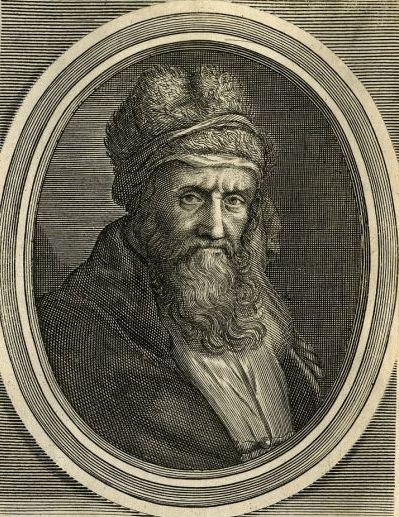
Zeno, 68.
The Lives and Opinions of Eminent Philosophers (c. 200 A.D.), Book 7: The Stoics
Diogenes Laërtius: 107 quotes12 likes
Famous Diogenes Laërtius Quotes
“It takes a wise man to discover a wise man.”
Xenophanes, 3.
The Lives and Opinions of Eminent Philosophers (c. 200 A.D.), Book 9: Uncategorized philosophers and Skeptics
“He said that there was one only good, namely, knowledge; and one only evil, namely, ignorance.”
Socrates, 14.
The Lives and Opinions of Eminent Philosophers (c. 200 A.D.), Book 2: Socrates, his predecessors and followers
122, in Moral Exhortation (1986), p. 33
The Lives and Opinions of Eminent Philosophers (c. 200 A.D.), Book 10: Epicurus
“Another was, "Watch your opportunity."”
Pittacus, 7.
The Lives and Opinions of Eminent Philosophers (c. 200 A.D.), Book 1: The Seven Sages
Antisthenes, 4.
The Lives and Opinions of Eminent Philosophers (c. 200 A.D.), Book 6: The Cynics
Diogenes Laërtius Quotes about men
“The market is a place set apart where men may deceive each other.”
Anacharsis, 5.
The Lives and Opinions of Eminent Philosophers (c. 200 A.D.), Book 2: Socrates, his predecessors and followers
Diogenes, 6.
The Lives and Opinions of Eminent Philosophers (c. 200 A.D.), Book 6: The Cynics
Pyrrho, 8.
The Lives and Opinions of Eminent Philosophers (c. 200 A.D.), Book 9: Uncategorized philosophers and Skeptics
Myson, 3.
The Lives and Opinions of Eminent Philosophers (c. 200 A.D.), Book 2: Socrates, his predecessors and followers
Bion, 3.
The Lives and Opinions of Eminent Philosophers (c. 200 A.D.), Book 4: The Academy
“Ignorance plays the chief part among men, and the multitude of words.”
Cleobulus, 4.
The Lives and Opinions of Eminent Philosophers (c. 200 A.D.), Book 1: The Seven Sages
Diogenes Laërtius Quotes about God
Aristotle, 13.
The Lives and Opinions of Eminent Philosophers (c. 200 A.D.), Book 5: The Peripatetics
Aristotle, 9.
The Lives and Opinions of Eminent Philosophers (c. 200 A.D.), Book 5: The Peripatetics
“One of his sayings was, "Even the gods cannot strive against necessity."”
Pittacus, 4.
The Lives and Opinions of Eminent Philosophers (c. 200 A.D.), Book 1: The Seven Sages
“Socrates said, "Those who want fewest things are nearest to the gods."”
Socrates, 11.
The Lives and Opinions of Eminent Philosophers (c. 200 A.D.), Book 2: Socrates, his predecessors and followers
Zeno, 72.
The Lives and Opinions of Eminent Philosophers (c. 200 A.D.), Book 7: The Stoics
“That the gods superintend all the affairs of men, and that there are such beings as dæmons.”
Plato, 42.
The Lives and Opinions of Eminent Philosophers (c. 200 A.D.), Book 3: Plato
Diogenes Laërtius: Trending quotes
Pittacus, 3.
The Lives and Opinions of Eminent Philosophers (c. 200 A.D.), Book 1: The Seven Sages
“Plato was continually saying to Xenocrates, "Sacrifice to the Graces."”
Xenocrates, 3.
The Lives and Opinions of Eminent Philosophers (c. 200 A.D.), Book 4: The Academy
“Another of his sayings was, that education was the best viaticum of old age.”
Aristotle, 9.
The Lives and Opinions of Eminent Philosophers (c. 200 A.D.), Book 5: The Peripatetics
Diogenes Laërtius Quotes
“He used to define justice as "a virtue of the soul distributing that which each person deserved."”
Aristotle, 9.
The Lives and Opinions of Eminent Philosophers (c. 200 A.D.), Book 5: The Peripatetics
“He has not acquired a fortune; the fortune has acquired him.”
Bion, 50.
The Lives and Opinions of Eminent Philosophers (c. 200 A.D.), Book 4: The Academy
Anaxagoras, 6.
The Lives and Opinions of Eminent Philosophers (c. 200 A.D.), Book 2: Socrates, his predecessors and followers
Bion, 3.
The Lives and Opinions of Eminent Philosophers (c. 200 A.D.), Book 4: The Academy
“The road to Hades is the easiest to travel.”
Bion, 49.
The Lives and Opinions of Eminent Philosophers (c. 200 A.D.), Book 4: The Academy
Anarcharsis, 5.
The Lives and Opinions of Eminent Philosophers (c. 200 A.D.), Book 2: Socrates, his predecessors and followers
“Plato affirmed that the soul was immortal and clothed in many bodies successively.”
Plato, 40.
The Lives and Opinions of Eminent Philosophers (c. 200 A.D.), Book 3: Plato
Pyrrho, 11.
The Lives and Opinions of Eminent Philosophers (c. 200 A.D.), Book 9: Uncategorized philosophers and Skeptics
“Asked from what country he came, he replied, "I am a citizen of the world."”
Diogenes, 6.
The Lives and Opinions of Eminent Philosophers (c. 200 A.D.), Book 6: The Cynics
“He used to say that other men lived to eat, but that he ate to live.”
Socrates, 16.
The Lives and Opinions of Eminent Philosophers (c. 200 A.D.), Book 2: Socrates, his predecessors and followers
“When asked what wine he liked to drink, he replied, "That which belongs to another."”
Diogenes, 6.
The Lives and Opinions of Eminent Philosophers (c. 200 A.D.), Book 6: The Cynics
Pyrrho, 9.
The Lives and Opinions of Eminent Philosophers (c. 200 A.D.), Book 9: Uncategorized philosophers and Skeptics
“Epicurus laid down the doctrine that pleasure was the chief good.”
Epicurus, 6.
The Lives and Opinions of Eminent Philosophers (c. 200 A.D.), Book 10: Epicurus
Pherecydes, 2.
The Lives and Opinions of Eminent Philosophers (c. 200 A.D.), Book 2: Socrates, his predecessors and followers
Pythagoras, 4.
The Lives and Opinions of Eminent Philosophers (c. 200 A.D.), Book 8: Pythagoras and the Pythagoreans
Diogenes, 6.
The Lives and Opinions of Eminent Philosophers (c. 200 A.D.), Book 6: The Cynics
“Xenophanes speaks thus:
And no man knows distinctly anything,
And no man ever will.”
Pyrrho, 8.
The Lives and Opinions of Eminent Philosophers (c. 200 A.D.), Book 9: Uncategorized philosophers and Skeptics
Diogenes, 6.
The Lives and Opinions of Eminent Philosophers (c. 200 A.D.), Book 6: The Cynics
“He calls drunkenness an expression identical with ruin.”
Pythagoras, 6.
The Lives and Opinions of Eminent Philosophers (c. 200 A.D.), Book 8: Pythagoras and the Pythagoreans
Aristotle, 9.
The Lives and Opinions of Eminent Philosophers (c. 200 A.D.), Book 5: The Peripatetics
“When asked what he would take to let a man give him a blow on the head, he said, "A helmet."”
Diogenes, 6.
The Lives and Opinions of Eminent Philosophers (c. 200 A.D.), Book 6: The Cynics
“When Zeno was asked what a friend was, he replied, "Another I."”
Zeno, 19.
The Lives and Opinions of Eminent Philosophers (c. 200 A.D.), Book 7: The Stoics
“Bion used to say that the way to the shades below was easy; he could go there with his eyes shut.”
Bion, 3.
The Lives and Opinions of Eminent Philosophers (c. 200 A.D.), Book 4: The Academy
“In the time of Pythagoras that proverbial phrase Ipse dixit was introduced into ordinary life.”
Pythagoras, 25.
The Lives and Opinions of Eminent Philosophers (c. 200 A.D.), Book 8: Pythagoras and the Pythagoreans
“That virtue was sufficient of herself for happiness.”
Plato, 42.
The Lives and Opinions of Eminent Philosophers (c. 200 A.D.), Book 3: Plato
“Time is the image of eternity.”
Plato, 41.
The Lives and Opinions of Eminent Philosophers (c. 200 A.D.), Book 3: Plato
“He declared that he knew nothing, except the fact of his ignorance.”
Socrates, 16.
The Lives and Opinions of Eminent Philosophers (c. 200 A.D.), Book 2: Socrates, his predecessors and followers
Menedemus, 3.
The Lives and Opinions of Eminent Philosophers (c. 200 A.D.), Book 6: The Cynics
“All things are in common among friends.”
Diogenes, 6.
The Lives and Opinions of Eminent Philosophers (c. 200 A.D.), Book 6: The Cynics
Epimenides, 2.
The Lives and Opinions of Eminent Philosophers (c. 200 A.D.), Book 2: Socrates, his predecessors and followers
Bias, 5.
The Lives and Opinions of Eminent Philosophers (c. 200 A.D.), Book 1: The Seven Sages
Diogenes, 6.
The Lives and Opinions of Eminent Philosophers (c. 200 A.D.), Book 6: The Cynics
“The chief good he has defined to be the exercise of virtue in a perfect life.”
Aristotle, 13.
The Lives and Opinions of Eminent Philosophers (c. 200 A.D.), Book 5: The Peripatetics
“He alludes to the appearance of a face in the orb of the moon.”
Epicurus, 25.
The Lives and Opinions of Eminent Philosophers (c. 200 A.D.), Book 10: Epicurus
“One of the sophisms of Chrysippus was, "If you have not lost a thing, you have it."”
Chrysippus, 11.
The Lives and Opinions of Eminent Philosophers (c. 200 A.D.), Book 7: The Stoics
Aristotle, 9.
The Lives and Opinions of Eminent Philosophers (c. 200 A.D.), Book 5: The Peripatetics
“Fortune is unstable, while our will is free.”
Epicurus, 27.
The Lives and Opinions of Eminent Philosophers (c. 200 A.D.), Book 10: Epicurus
Solon, 10.
The Lives and Opinions of Eminent Philosophers (c. 200 A.D.), Book 1: The Seven Sages
“Chilo advised, "not to speak evil of the dead."”
Chilo, 2.
The Lives and Opinions of Eminent Philosophers (c. 200 A.D.), Book 1: The Seven Sages
Aristotle, 9.
The Lives and Opinions of Eminent Philosophers (c. 200 A.D.), Book 5: The Peripatetics
Anarcharsis, 5.
The Lives and Opinions of Eminent Philosophers (c. 200 A.D.), Book 2: Socrates, his predecessors and followers
Pythagoras, 17.
The Lives and Opinions of Eminent Philosophers (c. 200 A.D.), Book 8: Pythagoras and the Pythagoreans
“Wealth is the sinews of affairs.”
Bion, 48.
The Lives and Opinions of Eminent Philosophers (c. 200 A.D.), Book 4: The Academy
Thales, 14.
The Lives and Opinions of Eminent Philosophers (c. 200 A.D.), Book 1: The Seven Sages
“Bion insisted on the principle that "The property of friends is common."”
Bion, 9.
The Lives and Opinions of Eminent Philosophers (c. 200 A.D.), Book 4: The Academy
Socrates, 16.
The Lives and Opinions of Eminent Philosophers (c. 200 A.D.), Book 2: Socrates, his predecessors and followers
Solon, 12.
The Lives and Opinions of Eminent Philosophers (c. 200 A.D.), Book 1: The Seven Sages
Socrates, 5.
The Lives and Opinions of Eminent Philosophers (c. 200 A.D.), Book 2: Socrates, his predecessors and followers
“The question was put to him, what hope is; and his answer was, "The dream of a waking man."”
Aristotle, 9.
The Lives and Opinions of Eminent Philosophers (c. 200 A.D.), Book 5: The Peripatetics
“The saying, "Practice is everything," is Periander’s.”
Periander, 6.
The Lives and Opinions of Eminent Philosophers (c. 200 A.D.), Book 1: The Seven Sages


