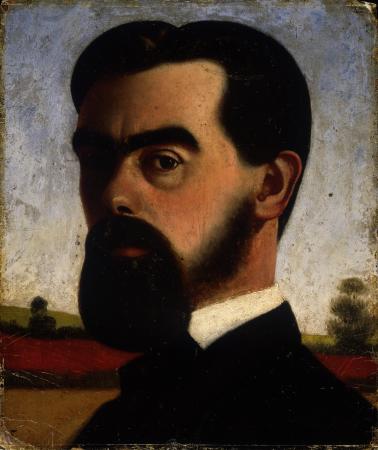
Samuel Butler (pisarz) cytaty
„Złodziej pozwala wybrać: pieniądze albo życie; kobieta żąda obu naraz.”
Brigands demand your money or your life; women require both (ang.)
Samuel Butler (pisarz): Cytaty po angielsku
Źródło: Erewhon (1872), Ch. 27
Genius, iii
The Note-Books of Samuel Butler (1912), Part XI - Cash and Credit
“I do not mind lying, but I hate inaccuracy.”
Falsehood, iv
The Note-Books of Samuel Butler (1912), Part XIX - Truth and Convenience
Hamlet, Don Quixote, Mr. Pickwick and others
The Note-Books of Samuel Butler (1912), Part XIV - Higgledy-Piggledy
The Art of Propagating Opinion
The Note-Books of Samuel Butler (1912), Part X - The Position of a HomoUnius Libri
Public Opinions
The Note-Books of Samuel Butler (1912), Part XVII - Material for a Projected Sequel to Alps and Sanctuaries
“Though analogy is often misleading, it is the least misleading thing we have.”
Thought and Word, ii
The Note-Books of Samuel Butler (1912), Part VII - On the Making of Music, Pictures, and Books
Argument
The Note-Books of Samuel Butler (1912), Part X - The Position of a HomoUnius Libri
Trying to Know
The Note-Books of Samuel Butler (1912), Part X - The Position of a HomoUnius Libri
The Artist and the Shopkeeper
The Note-Books of Samuel Butler (1912), Part XI - Cash and Credit
Action and Study
The Note-Books of Samuel Butler (1912), Part IX - A Painter's Views on Painting
“The true laws of God are the laws of our own well-being.”
God's Laws
The Note-Books of Samuel Butler (1912), Part II - Elementary Morality
Źródło: Erewhon (1872), Ch. 19
A Psalm of Montreal http://www.geocities.com/~bblair/011204.htm, st. 1 (1884)
The Iliad of Homer, Rendered into English Prose (1898), Book XXII
Thought and Word, vi
The Note-Books of Samuel Butler (1912), Part VII - On the Making of Music, Pictures, and Books
Early Art
The Note-Books of Samuel Butler (1912), Part IX - A Painter's Views on Painting
“If I die prematurely, at any rate I shall be saved from being bored by my own success.”
Compensation
The Note-Books of Samuel Butler (1912), Part X - The Position of a HomoUnius Libri
“The man who lets himself be bored is even more contemptible than the bore.”
The Fair Haven http://www.gutenberg.org/dirs/etext04/fhvn10h.htm, Memoir of the Late John Pickard Owen, Ch. 3 (1873)
Choice
The Note-Books of Samuel Butler (1912), Part XX - First Principles
Źródło: Erewhon (1872), Ch. 25
Entertaining Angels
The Note-Books of Samuel Butler (1912), Part X - The Position of a HomoUnius Libri
Źródło: Erewhon (1872), Ch. 9
Truth, vii
The Note-Books of Samuel Butler (1912), Part XIX - Truth and Convenience
Birth and Death, ii
The Note-Books of Samuel Butler (1912), Part I - Lord, What is Man?
Truth, ii
The Note-Books of Samuel Butler (1912), Part XIX - Truth and Convenience
Personal Identity
The Note-Books of Samuel Butler (1912), Part IV - Memory and Design