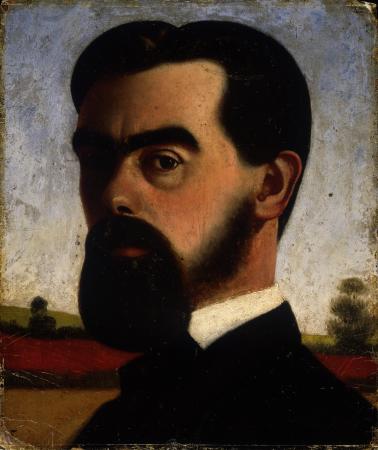
Samuel Butler (pisarz) cytaty
„Złodziej pozwala wybrać: pieniądze albo życie; kobieta żąda obu naraz.”
Brigands demand your money or your life; women require both (ang.)
Samuel Butler (pisarz): Cytaty po angielsku
Źródło: Erewhon (1872), Ch. 10
Writing for a Hundred Years Hence
The Note-Books of Samuel Butler (1912), Part VII - On the Making of Music, Pictures, and Books
“Words are like money; there is nothing so useless, unless when in actual use.”
Thought and Word, viii
The Note-Books of Samuel Butler (1912), Part VII - On the Making of Music, Pictures, and Books
“I am the enfant terrible of literature and science.”
Myself
The Note-Books of Samuel Butler (1912), Part XII - The Enfant Terrible of Literature
Darwin Among the Machines
The Note-Books of Samuel Butler (1912), Part III - The Germs of Erewhon and of Life and Habit
“There is nothing which at once affects a man so much and so little as his own death.”
The Defeat of Death
The Note-Books of Samuel Butler (1912), Part XXIII - Death
Development
The Note-Books of Samuel Butler (1912), Part VII - On the Making of Music, Pictures, and Books
“Youth is like spring, an overpraised season.”
Źródło: The Way of All Flesh (1903), Ch. 6
Scientists
The Note-Books of Samuel Butler (1912), Part XIV - Higgledy-Piggledy
“A great portrait is always more a portrait of the painter than of the painted.”
Portraits
The Note-Books of Samuel Butler (1912), Part VII - On the Making of Music, Pictures, and Books
Memory, ii
The Note-Books of Samuel Butler (1912), Part IV - Memory and Design
Money
The Note-Books of Samuel Butler (1912), Part XI - Cash and Credit
Sketching from Nature
The Note-Books of Samuel Butler (1912), Part IX - A Painter's Views on Painting
The Art of Propagating Opinion
The Note-Books of Samuel Butler (1912), Part X - The Position of a HomoUnius Libri
Knowledge is Power
The Note-Books of Samuel Butler (1912), Part VII - On the Making of Music, Pictures, and Books
Źródło: Erewhon (1872), Ch. 22
Honesty
The Note-Books of Samuel Butler (1912), Part VIII - Handel and Music
Źródło: Erewhon (1872), Ch. 23
Źródło: Erewhon (1872), Ch. 23
Colour http://books.google.com/books?id=JHguFYrTEQ0C&q=%22It+is+said+of+money+that+it+is+more+easily+made+than+kept+and+this+is+true+of+many+things+such+as+friendship+and+even+life+itself+is+more+easily+got+than+kept%22&pg=PA141#v=onepage
Often paraphrased as "Friendship is like money, easier made than kept."
The Note-Books of Samuel Butler (1912), Part IX - A Painter's Views on Painting
“Life and death are balanced as it were on the edge of a razor.”
The Iliad of Homer, Rendered into English Prose (1898), Book X
My Thoughts
The Note-Books of Samuel Butler (1912), Part XIV - Higgledy-Piggledy
Eating and Proselytising
The Note-Books of Samuel Butler (1912), Part VI - Mind and Matter
The Philosopher
The Note-Books of Samuel Butler (1912), Part XI - Cash and Credit
“To do great work a man must be very idle as well as very industrious.”
Further Extracts from the Note-Books of Samuel Butler http://books.google.com/books?id=zltaAAAAMAAJ&q="To+do+great+work+a+man+must+be+very+idle+as+well+as+very+industrious"&pg=PA262#v=onepage, compiled and edited by A.T. Bartholomew (1934), p. 262
Źródło: Erewhon (1872), Ch. 12
“To put one’s trust in God is only a longer way of saying that one will chance it.”
Providence and Improvidence, ii
The Note-Books of Samuel Butler (1912), Part XIV - Higgledy-Piggledy
Equilibrium
Źródło: The Note-Books of Samuel Butler (1912), Part V - Vibrations