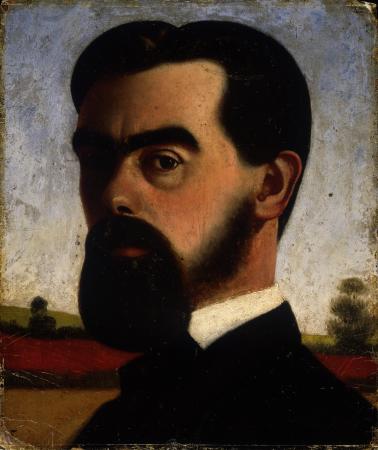
Samuel Butler (pisarz) cytaty
„Złodziej pozwala wybrać: pieniądze albo życie; kobieta żąda obu naraz.”
Brigands demand your money or your life; women require both (ang.)
Samuel Butler (pisarz): Cytaty po angielsku
Seeing
The Note-Books of Samuel Butler (1912), Part IX - A Painter's Views on Painting
Samuel Butler's Notebooks http://books.google.com/books?id=cjk3AAAAIAAJ&q=%22One+of+the+first+businesses+of+a+sensible+man+is+to+know+when+he+is+beaten+and+to+leave+off+fighting+at+once%22&pg=PA186#v=onepage (1951)
The World, ii
The Note-Books of Samuel Butler (1912), Part I - Lord, What is Man?
Źródło: Erewhon (1872), Ch. 26
A Man's Style
The Note-Books of Samuel Butler (1912), Part VII - On the Making of Music, Pictures, and Books
The Roman Empire
The Note-Books of Samuel Butler (1912), Part XIII - Unprofessional Sermons
Literary Power
The Note-Books of Samuel Butler (1912), Part VII - On the Making of Music, Pictures, and Books
Ramblings In Cheapside (1890)
Źródło: Erewhon (1872), Ch. 22
“A definition is the enclosing a wilderness of idea within a wall of words.”
Definitions, iii
The Note-Books of Samuel Butler (1912), Part XIV - Higgledy-Piggledy
Philosophy
The Note-Books of Samuel Butler (1912), Part XX - First Principles
Sparks
The Note-Books of Samuel Butler (1912), Part XIV - Higgledy-Piggledy
Incoherency of New Ideas
The Note-Books of Samuel Butler (1912), Part XIV - Higgledy-Piggledy
The Art of Propagating Opinion
The Note-Books of Samuel Butler (1912), Part X - The Position of a HomoUnius Libri
Criticism
The Note-Books of Samuel Butler (1912), Part VII - On the Making of Music, Pictures, and Books
Religion
The Note-Books of Samuel Butler (1912), Part II - Elementary Morality
Ancient Work
Źródło: The Note-Books of Samuel Butler (1912), Part XII - The Enfant Terrible of Literature
Organic and Inorganic
Źródło: The Note-Books of Samuel Butler (1912), Part VI - Mind and Matter