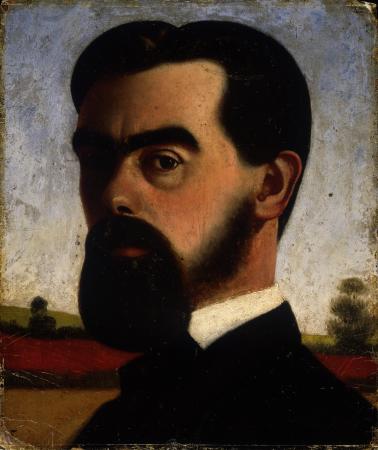
Samuel Butler (pisarz) cytaty
„Złodziej pozwala wybrać: pieniądze albo życie; kobieta żąda obu naraz.”
Brigands demand your money or your life; women require both (ang.)
Samuel Butler (pisarz): Cytaty po angielsku
First lines of Butler's translation of The Iliad (1898)
Mental and Physical Pabulum
The Note-Books of Samuel Butler (1912), Part VI - Mind and Matter
Antithesis
The Note-Books of Samuel Butler (1912), Part IV - Memory and Design
On Knowing what Gives us Pleasure, i
The Note-Books of Samuel Butler (1912), Part XIII - Unprofessional Sermons
Fore-knowledge of Death
The Note-Books of Samuel Butler (1912), Part XXIII - Death
Dragons
The Note-Books of Samuel Butler (1912), Part X - The Position of a HomoUnius Libri
Argument http://books.google.com/books?id=JHguFYrTEQ0C&q=&quot;We+are+not+won+by+arguments+that+we+can+analyse+but+by+tone+and+temper+by+the+manner+which+is+the+man+himself&quot;&pg=PA329#v=onepage <br class="br">The Note-Books of Samuel Butler (1912), Part XX - First Principles
Źródło: Erewhon (1872), Ch. 3
The Odyssey of Homer (1900), opening lines
Źródło: Erewhon (1872), Ch. 22
Ignorance of Death
The Note-Books of Samuel Butler (1912), Part XXIII - Death
“Men are seldom more commonplace than on supreme occasions.”
Supreme Occasions
The Note-Books of Samuel Butler (1912), Part XVII - Material for a Projected Sequel to Alps and Sanctuaries
Źródło: Erewhon (1872), Ch. 4
The Ancient Mariner
The Note-Books of Samuel Butler (1912), Part XV - Titles and Subjects
Samuel Butler książka The Way of All Flesh
Źródło: The Way of All Flesh (1903), Ch. 24
Gentleman
The Note-Books of Samuel Butler (1912), Part II - Elementary Morality
Samuel Butler's Notebooks http://books.google.com/books?id=cjk3AAAAIAAJ&q=&quot;The+most+important+service+rendered+by+the+press+and+the+magazines+is+that+of+educating+people+to+approach+printed+matter+with+distrust&quot; (1951)
“It does not matter much what a man hates provided he hates something.”
Hating
The Note-Books of Samuel Butler (1912), Part XIV - Higgledy-Piggledy
Samuel Butler książka The Way of All Flesh
Źródło: The Way of All Flesh (1903), Ch. 26
Genius, iv
The Note-Books of Samuel Butler (1912), Part XI - Cash and Credit
“Nothing is so cruel as to try and force a man beyond his natural pace.”
Capping a Success
The Note-Books of Samuel Butler (1912), Part X - The Position of a HomoUnius Libri
Samuel Butler książka The Way of All Flesh
Źródło: The Way of All Flesh (1903), Ch. 5
Ramblings In Cheapside (1890)
Further Extracts from the Note-Books of Samuel Butler http://books.google.pt/books?id=zltaAAAAMAAJ&q=%22A+lawyer's+dream+of+heaven:%22&dq=%22A+lawyer's+dream+of+heaven:%22&hl=pt-PT&sa=X&ei=_LPRUvmtGa_b7AbdjoCADQ&ved=0CFgQ6AEwBjgK, compiled and edited by A.T. Bartholomew (1934), p. 27
“Any fool can tell the truth, but it requires a man of some sense to know how to lie well.”
Falsehood, iii
The Note-Books of Samuel Butler (1912), Part XIX - Truth and Convenience