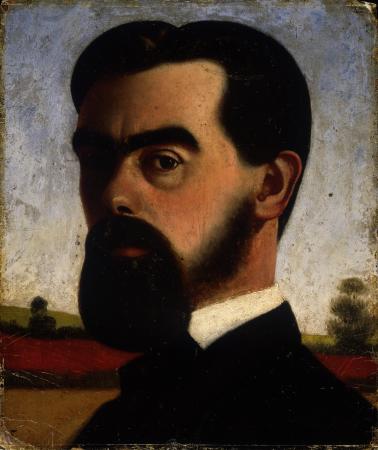
Samuel Butler (pisarz) cytaty
„Złodziej pozwala wybrać: pieniądze albo życie; kobieta żąda obu naraz.”
Brigands demand your money or your life; women require both (ang.)
Samuel Butler (pisarz): Cytaty po angielsku
Accuracy
The Note-Books of Samuel Butler (1912), Part IX - A Painter's Views on Painting
Apologia, i
The Note-Books of Samuel Butler (1912), Part XXIV - The Life of the World to Come
Źródło: Erewhon (1872), Ch. 26
“[Ideas] are like shadows — substantial enough until we try to grasp them.”
Ideas
The Note-Books of Samuel Butler (1912), Part VII - On the Making of Music, Pictures, and Books
Thought and Word, i
The Note-Books of Samuel Butler (1912), Part VII - On the Making of Music, Pictures, and Books
Heaven and Hell
The Note-Books of Samuel Butler (1912), Part II - Elementary Morality
Poetry
The Note-Books of Samuel Butler (1912), Part XII - The Enfant Terrible of Literature
Darwin Among the Machines
The Note-Books of Samuel Butler (1912), Part III - The Germs of Erewhon and of Life and Habit
Improvement in Art
The Note-Books of Samuel Butler (1912), Part IX - A Painter's Views on Painting
Italians and Englishmen
The Note-Books of Samuel Butler (1912), Part XIII - Unprofessional Sermons
Great Art and Sham Art
The Note-Books of Samuel Butler (1912), Part IX - A Painter's Views on Painting
“He is greatest who is most often in men’s good thoughts.”
Greatness
The Note-Books of Samuel Butler (1912), Part XIV - Higgledy-Piggledy
Eating Grapes Downwards
The Note-Books of Samuel Butler (1912), Part VII - On the Making of Music, Pictures, and Books
“The dons are too busy educating the young men to be able to teach them anything.”
Oxford and Cambridge
The Note-Books of Samuel Butler (1912), Part XIV - Higgledy-Piggledy
Samuel Butler książka The Way of All Flesh
Źródło: The Way of All Flesh (1903), Ch. 23; this is one of the passages excised from <cite>The Way of All Flesh</cite> when it was first published in 1903, after Butler's death, by his literary executor, R. Streatfeild. This first edition of <cite>The Way of All Flesh</cite> is widely available in plain text on the internet, but readers of facsimiles of the first edition should be aware that Streatfeild significantly altered and edited Butler's text, "regularizing" the punctuation and removing most of Butler's most trenchant criticism of Victorian society and conventional pieties. Butler's full manuscript, entitled <cite>Ernest Pontifex, or The Way of All Flesh</cite>, was edited and issued by Daniel F. Howard in 1965. It is from this edition that this quote is derived; it was excised by Streatfeild in the first edition.
Samuel Butler książka The Way of All Flesh
Źródło: The Way of All Flesh (1903), Ch. 13
Lucky and Unlucky
The Note-Books of Samuel Butler (1912), Part XIV - Higgledy-Piggledy
“An empty house is like a stray dog or a body from which life has departed.”
Samuel Butler książka The Way of All Flesh
Źródło: The Way of All Flesh (1903), Ch. 72
Thought and Word, iv
The Note-Books of Samuel Butler (1912), Part VII - On the Making of Music, Pictures, and Books
Inaccuracy
The Note-Books of Samuel Butler (1912), Part XXII - Reconciliation
Morality
The Note-Books of Samuel Butler (1912), Part II - Elementary Morality
Źródło: Erewhon (1872), Ch. 12
Ramblings In Cheapside (1890)
“Man is the only animal that laughs and has a state legislature.”
As quoted in 1,911 Best Things Anybody Ever Said (1988) by Robert Byrne
Ramblings In Cheapside (1890)
Źródło: Erewhon (1872), Ch. 15