Ernst, Baron von Feuchtersleben
The Dietetics of the Soul; Or, True Mental Discipline (1838)
Baron Ernst von Feuchtersleben – austriacki lekarz, poeta i filozof.
Pochodził ze starej saksońskiej rodziny szlacheckiej. Urodził się w 1806 roku, jego ojcem był radca dworu Ernst von Feuchtersleben , przyrodnim bratem Eduard von Feuchtersleben , inżynier górnictwa i pisarz. Od 1825 roku studiował medycynę na Uniwersytecie Wiedeńskim. W 1833 roku otrzymał tytuł doktora nauk medycznych i otworzył prywatną praktykę chirurgiczną na przedmieściach Wiednia. W 1834 roku ożenił się. Wykładał na macierzystej uczelni, od 1840 roku sekretarz Towarzystwa Lekarskiego , od 1844 roku był dziekanem wydziału medycznego i profesorem psychiatrii. Utrzymywał kontakty z kręgami intelektualistów wiedeńskich, do których należeli Franz Grillparzer, Franz Schubert, Franz von Schober, Johann Mayrhofer, Romeo Seligmann, Adalbert Stifter czy Friedrich Hebbel.
W 1836 roku opublikował swoje poezje. Pisał też eseje krytycznoliterackie, publikowane w czasopismach i almanachach wiedeńskich. W 1838 roku ukazało się jego dzieło Zur Diätetik der Seele , które zyskało dużą popularność.
Został pochowany na Cmentarzu Centralnym w Wiedniu . Wikipedia
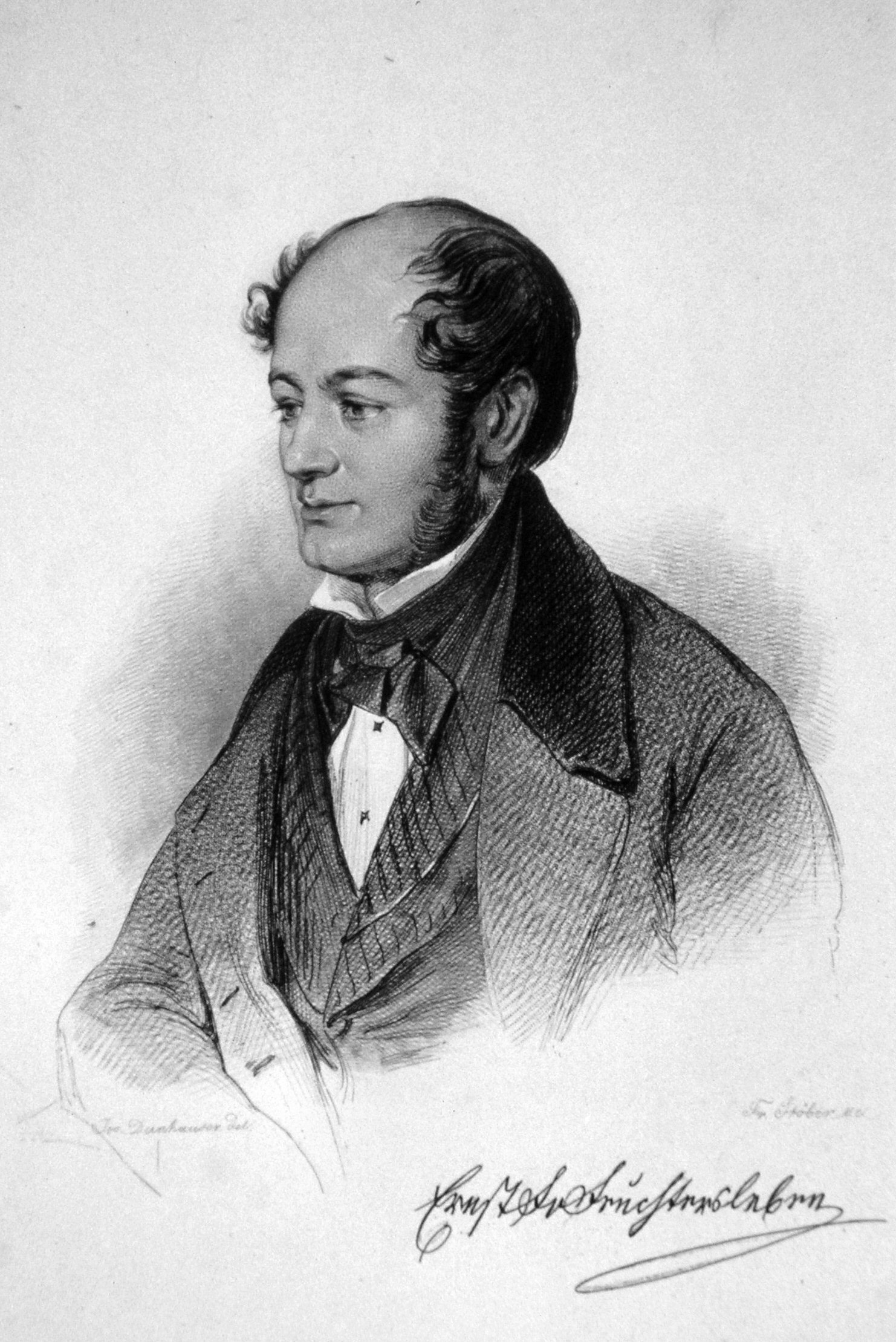
Ernst, Baron von Feuchtersleben
The Dietetics of the Soul; Or, True Mental Discipline (1838)
Ernst, Baron von Feuchtersleben
The Dietetics of the Soul; Or, True Mental Discipline (1838)
Ernst, Baron von Feuchtersleben
The Dietetics of the Soul; Or, True Mental Discipline (1838)
“It is not enough to contemplate ourselves objectively; we must also treat ourselves objectively.”
Ernst, Baron von Feuchtersleben
The Dietetics of the Soul; Or, True Mental Discipline (1838)
“True philosophy is a living wisdom, for which there is no death.”
Ernst, Baron von Feuchtersleben
The Dietetics of the Soul; Or, True Mental Discipline (1838)
Ernst, Baron von Feuchtersleben
The Dietetics of the Soul; Or, True Mental Discipline (1838)
Ernst, Baron von Feuchtersleben
The Dietetics of the Soul; Or, True Mental Discipline (1838)
“You must master an object before you attempt to despise it.”
Ernst, Baron von Feuchtersleben
The Dietetics of the Soul; Or, True Mental Discipline (1838)
“Those views of life which deify pleasure are less likely to yield it.”
Ernst, Baron von Feuchtersleben
The Dietetics of the Soul; Or, True Mental Discipline (1838)
Ernst, Baron von Feuchtersleben
The Dietetics of the Soul; Or, True Mental Discipline (1838)
Ernst, Baron von Feuchtersleben
The Dietetics of the Soul; Or, True Mental Discipline (1838)
Ernst, Baron von Feuchtersleben
Źródło: The Dietetics of the Soul; Or, True Mental Discipline (1838), pp. 136-137
Ernst, Baron von Feuchtersleben
Źródło: The Dietetics of the Soul; Or, True Mental Discipline (1838), p. 125
Ernst, Baron von Feuchtersleben
Źródło: The Dietetics of the Soul; Or, True Mental Discipline (1838), P. 112
Ernst, Baron von Feuchtersleben
Źródło: The Dietetics of the Soul; Or, True Mental Discipline (1838), p. 104 1852 tr
Ernst, Baron von Feuchtersleben
Źródło: The Dietetics of the Soul; Or, True Mental Discipline (1838), p. 95 1852 tr
Ernst, Baron von Feuchtersleben
Źródło: The Dietetics of the Soul; Or, True Mental Discipline (1838), p. 85 1852 tr
“The greatest treasure that God can give his creatures is and ever will be—genuine existence.”
Ernst, Baron von Feuchtersleben
If these words of Herder be true, cultivation is the key to the most precious of treasures; for as Nature has insured the permanence of existence by implanting in us a force of resistance and self-renovation, so may we, on our side, increase the force of these attributes by self-acquired powers of mind.
p 75 1852 translation
The Dietetics of the Soul; Or, True Mental Discipline (1838)


