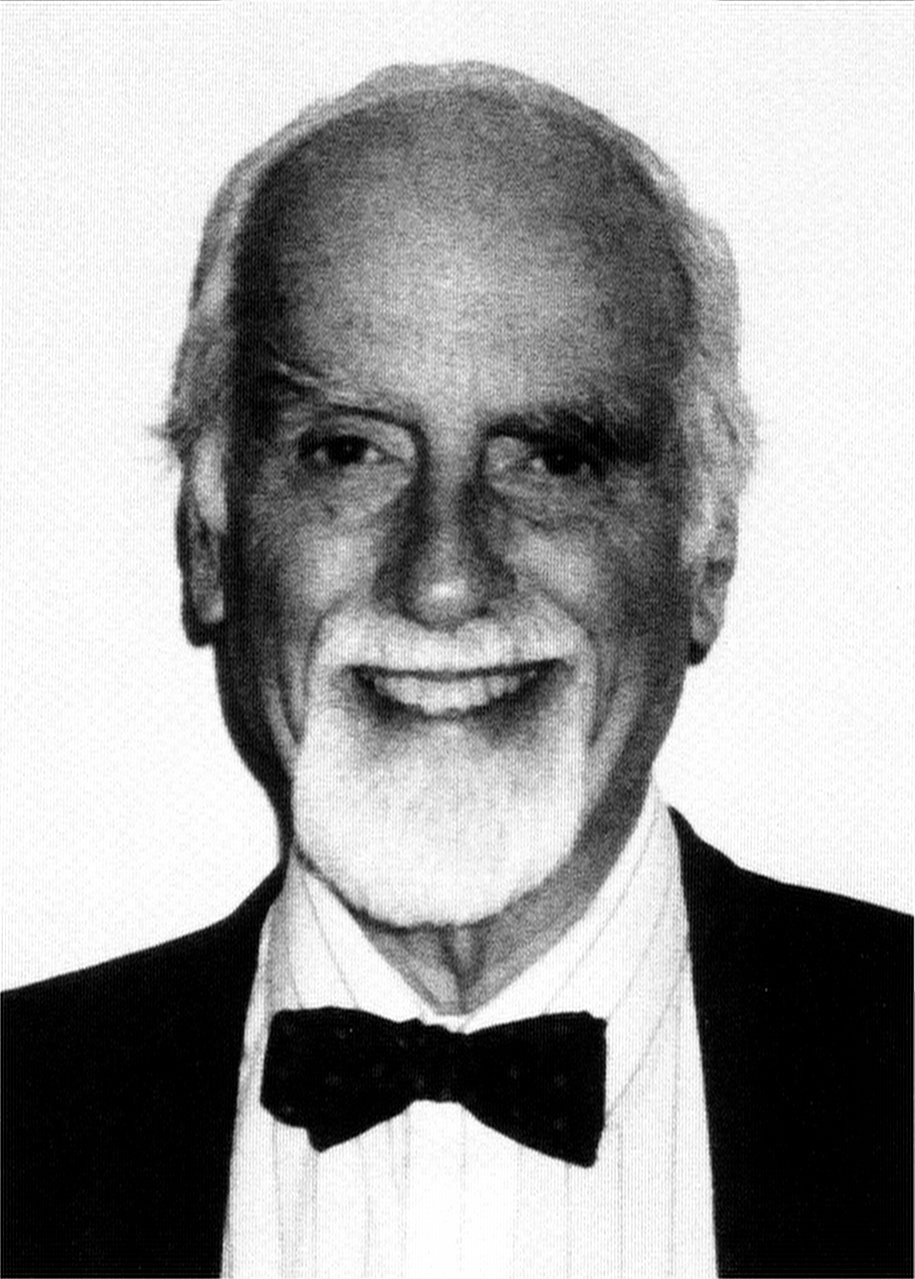
David McClelland cytaty

David Clarence McClelland – amerykański specjalista w zakresie motywacji i przedsiębiorczości.

W 1941 uzyskał doktorat z psychologii na Uniwersytet Yale’a, po czym został profesorem Uniwersytetu Wesleyańskiego. Od 1956 wykładał na Uniwersytecie Harvarda, gdzie przez dwadzieścia lat prowadził, wraz z grupą współpracowników naukowych, badania nad motywacją i potrzebą osiągnięć. W 1963 rozpoczął działalność związaną z rozwojem oceny pracowniczej i szkoleniem personelu. Od 1987 do śmierci uczył na Uniwersytecie Bostońskim. McClelland jest najbardziej znany ze swoich prac nad motywacją osiągnięć, lecz zajmował się również zagadnieniem osobowości, świadomości i kompetencji. Jego idee zostały szeroko zaadoptowane w wielu organizacjach. Wikipedia  

✵ 20. Maj 1917 – 27. Marzec 1998
David McClelland Fotografia
David McClelland: 16 cytatów0 Polubień

David McClelland: Cytaty po angielsku

“Outstanding American men seem to see power as something you use in order to correct someone who's wrong, to change them, to show them you see more in this situation than the boss does. Outstanding American women, on the other hand, see power as a resource, something you can use to get people together, to gain commitment.”

David C. McClelland

David C. McClelland (1998) in: Katherine Adams, "Interview by David C. McClelland , in Competency, vol. 4 no.3, Spring 1997, pp.18–23; Republished in orientamento.it http://www.orientamento.it/indice/interview-with-mcclelland/, 19/11/2015

“From the top of the campanile, or Giotto's bell tower, in Florence, one can look out over the city in all directions, past the stone banking houses where the rich Medici lived, past the art galleries they patronized, past the magnificent cathedral and churches their money helped to build, and on to the Tuscan vineyards where the contadino works the soil as hard and efficiently as he probably ever did. The city below is busy with life. The university halls, the shops, the restaurants are crowded. The sound of Vespas, the "wasps" of the machine age, fills the air, but Florence is not today what it once was, the center in the 15th century of a great civilization, one of the most extraordinary the world has ever known. Why? ­­What produced the Renaissance in Italy, of which Florence was the center? How did it happen that such a small population base could produce, in the short span of a few generations, great historical figures first in commerce and literature, then in architecture, sculpture and painting, and finally in science and music? Why subsequently did Northern Italy decline in importance both commercially and artistically until at the present time it is not particularly distinguished as compared with many other regions of the world? Certainly the people appear to be working as hard and energetically as ever. Was it just luck or a peculiar combination of circumstances? Historians have been fascinated by such questions ever since they began writing history, because the rise and fall of Florence or the whole of Northern Italy is by no means an isolated phenomenon.”

David C. McClelland

Źródło: The Archiving Society, 1961, p. 1; lead paragraph, about the problem

Podobni autorzy

Hannah Arendt Fotografia
Hannah Arendt16
amerykańska teoretyk polityki, filozof i publicystka None
Peter Drucker Fotografia
Peter Drucker14
ekonomista amerykański, teoretyk zarządzania None
Bertolt Brecht Fotografia
Bertolt Brecht49
niemiecki pisarz, dramaturg, teoretyk teatru, inscenizator … None
Richard Feynman Fotografia
Richard Feynman33
amerykański fizyk, noblista None
Robert Kiyosaki Fotografia
Robert Kiyosaki15
amerykański ekonomista, teoretyk inwestowania None
Emil Cioran Fotografia
Emil Cioran73
pisarz pochodzenia rumuńskiego None
Steven Weinberg Fotografia
Steven Weinberg7
fizyk amerykański None
Enrico Fermi Fotografia
Enrico Fermi1
włoski fizyk None
Morihei Ueshiba Fotografia
Morihei Ueshiba11
japoński twórca aikido None
Werner Heisenberg Fotografia
Werner Heisenberg9
fizyk niemiecki None