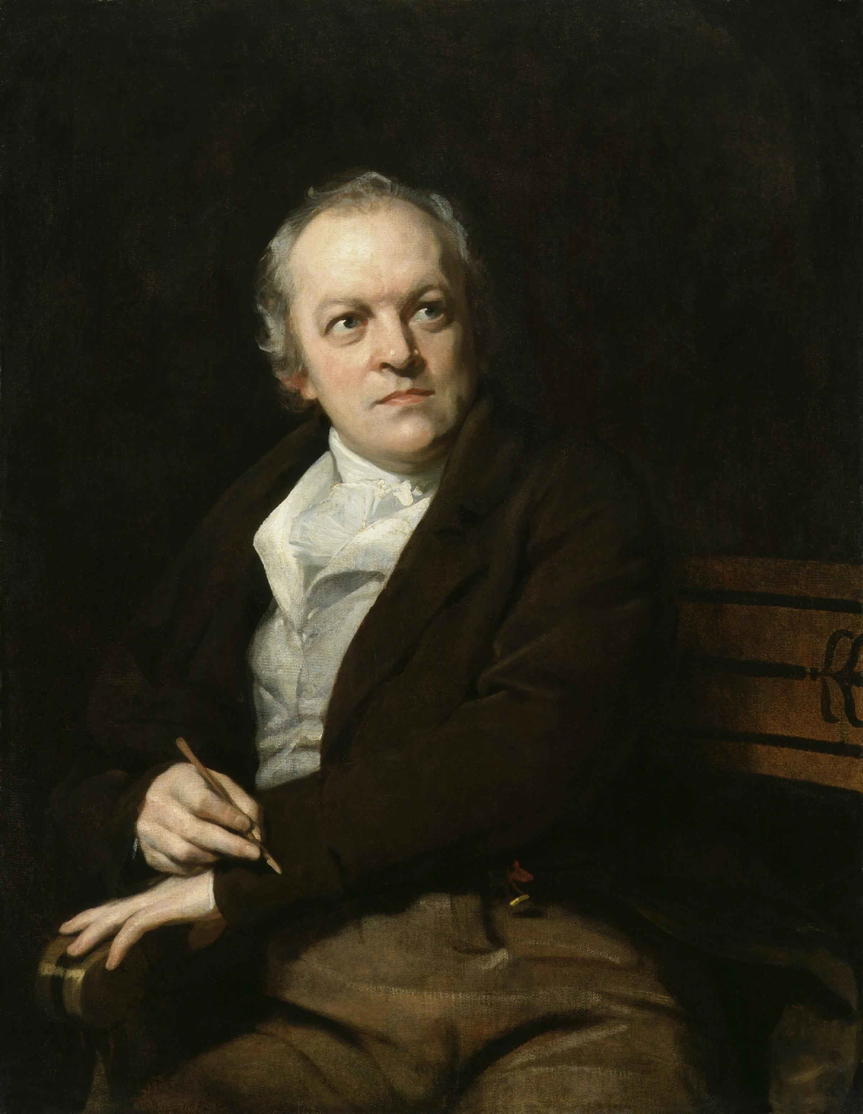
William Blake híres idézetei
William Blake Idézetek az emberekről
William Blake idézetek

„Igazságot nem lehet mondani úgy, hogy megértsék és mégse higgyék el.”
Babits Mihály fordítása
„Rossz szándékkal mondott igazság, Többet árt, mint bármely hazugság.”
Neki tulajdonított idézetek
William Blake: Idézetek angolul
Annotations to Sir Joshua Reynolds's Discourses
1790s
“The Goddess Fortune is the devils servant ready to Kiss any ones Arse.”
Inscription on Illustrations to Dante "No. 16: HELL Canto 7"
1810s
The Crystal Cabinet, st. 2
1800s, Poems from the Pickering Manuscript (c. 1805)
Forrás: 1800s, Jerusalem The Emanation of The Giant Albion (c. 1803–1820), Ch. 1, plate 27, "To the Jews" 1) lines 1-4
William Blake Songs of Innocence
So I piped; he wept to hear.
Introduction, st. 1–2
Songs of Innocence (1789–1790)
“The harlot's cry from street to street
Shall weave old England's winding sheet.”
Forrás: 1800s, Auguries of Innocence (1803), Line 115
“One thought fills immensity.”
Forrás: 1790s, The Marriage of Heaven and Hell (1790–1793), Proverbs of Hell, Line 36
“In the morning glad I see
My foe outstretch'd beneath the tree.”
Ibid., st. 4
1790s, Songs of Experience (1794)
“Half Friendship is the bitterest Enmity…”
Frontiespiece, plate 1, line 8 (as it seen on the additional plate, Fitzwilliam Museum).
1800s, Jerusalem The Emanation of The Giant Albion (c. 1803–1820)
Public Address, Blake's Notebook c. 1810
1810s
“He who shall hurt the little wren
Shall never be beloved by men.”
Forrás: 1800s, Auguries of Innocence (1803), Line 29
“Always be ready to speak your mind, and a base man will avoid you.”
Forrás: 1790s, The Marriage of Heaven and Hell (1790–1793), Proverbs of Hell, Line 37
“When thou seest an Eagle, thou seest a portion of Genius; lift up thy head!”
Forrás: 1790s, The Marriage of Heaven and Hell (1790–1793), Proverbs of Hell, Line 54
“Rintrah roars and shakes his fires in the burden'd air;
Hungry clouds swag on the deep.”
The Argument
1790s, The Marriage of Heaven and Hell (1790–1793)
“The cistern contains: the fountain overflows.”
Forrás: 1790s, The Marriage of Heaven and Hell (1790–1793), Proverbs of Hell, Line 35
Forrás: 1800s, Jerusalem The Emanation of The Giant Albion (c. 1803–1820), Ch. 1, plate 5, lines 16-20 The Words of Blake
“"I die, I die!" the Mother said,
"My children die for lack of Bread."”
The Grey Monk, stanza 1
1810s, Miscellaneous poems and fragments from the Nonesuch edition
“Active Evil is better than Passive Good.”
1780s, Annotations to Lavater (1788)
Song (How Sweet I Roamed), st. 4
1780s, Poetical Sketches (1783)
“You'll quite remove the ancient curse.”
No. 5, An Ancient Proverb
Poems from Blake's Notebook (c. 1791-1792), Several Questions Answered
Forrás: 1790s, The Marriage of Heaven and Hell (1790–1793), Proverbs of Hell, Line 70
Forrás: 1800s, Jerusalem The Emanation of The Giant Albion (c. 1803–1820), Ch. 1, plate 12, line 28
1790s, Letter to Revd. Dr. Trusler (1799)
1790s, Letter to Revd. Dr. Trusler (1799)
the Mother said,
"My children die for lack of Bread."
The Grey Monk, stanza 1
1810s, Miscellaneous poems and fragments from the Nonesuch edition
First God Almighty comes with a Thump on the Head. Then Jesus Christ comes with a balm to heal it.
A Vision of the Last Judgment
1810s


