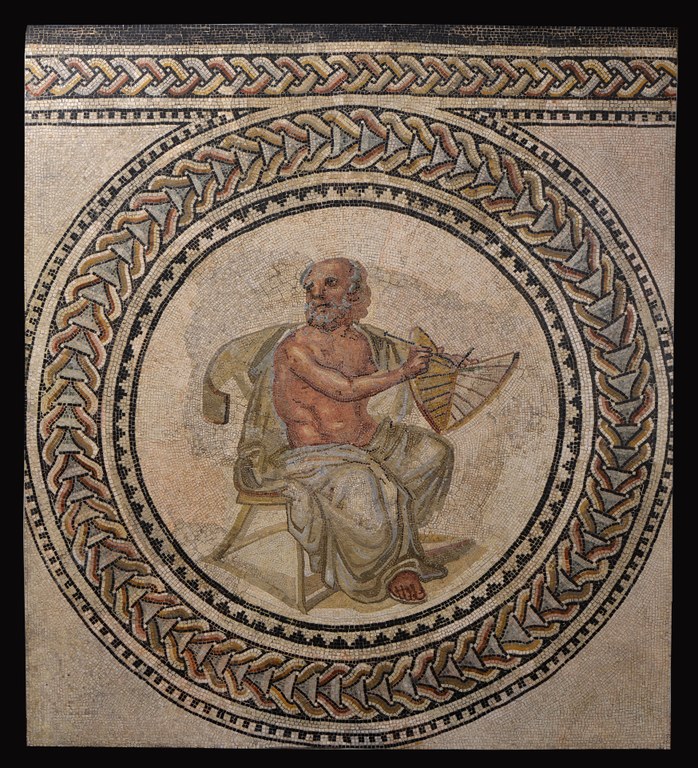
Anaximandrosz idézet

Anaximandrosz , görög filozófus, a materialista milétoszi filozófiai iskola kiemelkedő alakja.

Datálását tekintve különböző források más és mást állítanak. A Suda szerint Anaximandrosz, Thalész rokona, tanítványa és utóda volt. Más forrás, a kronográfus Apollodórosz azt állította, hogy Anaximandrosz i. e. 547/546-ban volt hatvannégy éves, ami azt jelenti, hogy csupán tizennégy évvel volt fiatalabb Thalésznél. Jonathan Barns neves filozófiatörténész ugyancsak ez utóbbi elméletet tartja helyesnek, szerinte sem állt a két filozófus tanár–tanítvány viszonyban, csupán kor- és polgártársak voltak.Anaximandrosz alkotta meg az első kozmológiai modellt – bár az nem teljesen világos, hogy az térbeli vagy kétdimenziós volt-e. Az azonban bizonyosnak tűnik, hogy Anaximandrosz az első olyan szerző, akinek szorosabb értelemben vett kozmológiai elméletet tulajdoníthatunk: a kozmoszt geometriai struktúrát mutató, zárt, rendezett egésznek gondolta. Több szerző is azt állítja, hogy ő vezette be a gnómont Hellászban, így Spártában ő maga állított fel egyet. Theophrasztosz szerint Anaximandrosz illette először névvel az anyagi princípiumot – annak minden további meghatározását mellőzve. Wikipedia  

✵ 610 i.e. – 547 i.e.
Anaximandrosz fénykép
Anaximandrosz: 3 idézet0 Kedvelés

Anaximandrosz: Idézetek angolul

“All things must in equity again decline into that whence they have their origin for they must give satisfaction and atonement for injustice each in the order of time.”

Anaximander könyv On Nature

On Nature, as quoted by Friedrich Ueberweg, History of Philosophy, from Thales to the Present Time (1885) Vol. 1, p. 35. https://books.google.com/books?id=BW5YAAAAMAAJ&pg=PA35

“There cannot be a single, simple body which is infinite, either, as some hold, one distinct from the elements, which they then derive from it, nor without this qualification.”

Anaximander

As quoted in Physics by Aristotle, as translated by John Burnet http://www.classicpersuasion.org/pw/burnet/egp.htm?pleaseget=14 <br class="br">Kontextus: There cannot be a single, simple body which is infinite, either, as some hold, one distinct from the elements, which they then derive from it, nor without this qualification. For there are some who make this (i. e. a body distinct from the elements) the infinite, and not air or water, in order that the other things may not be destroyed by their infinity. They are in opposition one to another — air is cold, water moist, and fire hot—and therefore, if any one of them were infinite, the rest would have ceased to be by this time. Accordingly they say that what is infinite is something other than the elements, and from it the elements arise.

Hasonló szerzők

Szókratész fénykép
Szókratész22
ókori görög filozófus None
Platón fénykép
Platón19
ókori görög filozófus, iskolaalapító None
Epiktétosz fénykép
Epiktétosz34
ókori görög filozófus None
Szinópéi Diogenész fénykép
Szinópéi Diogenész21
ókori görög cinikus filozófus None
Epikurosz fénykép
Epikurosz7
ókori görög atomista filozófus None
Plutarkhosz fénykép
Plutarkhosz15
ókori görög életrajzíró None
Arisztotelész fénykép
Arisztotelész58
ókori görög filozófus és tudós None
Kitioni Zénón fénykép
Kitioni Zénón4
ókori görög sztoikus filozófus None
Cicero fénykép
Cicero29
ókori római író, filozófus, politikus None