Thomas Browne livre Religio Medici
Section 12
Religio Medici (1643), Part II
Thomas Browne était un écrivain anglican anglais dont les œuvres couvrent une large palette de domaines incluant la médecine, la religion, la science, la sociologie et l'ésotérisme. Wikipedia
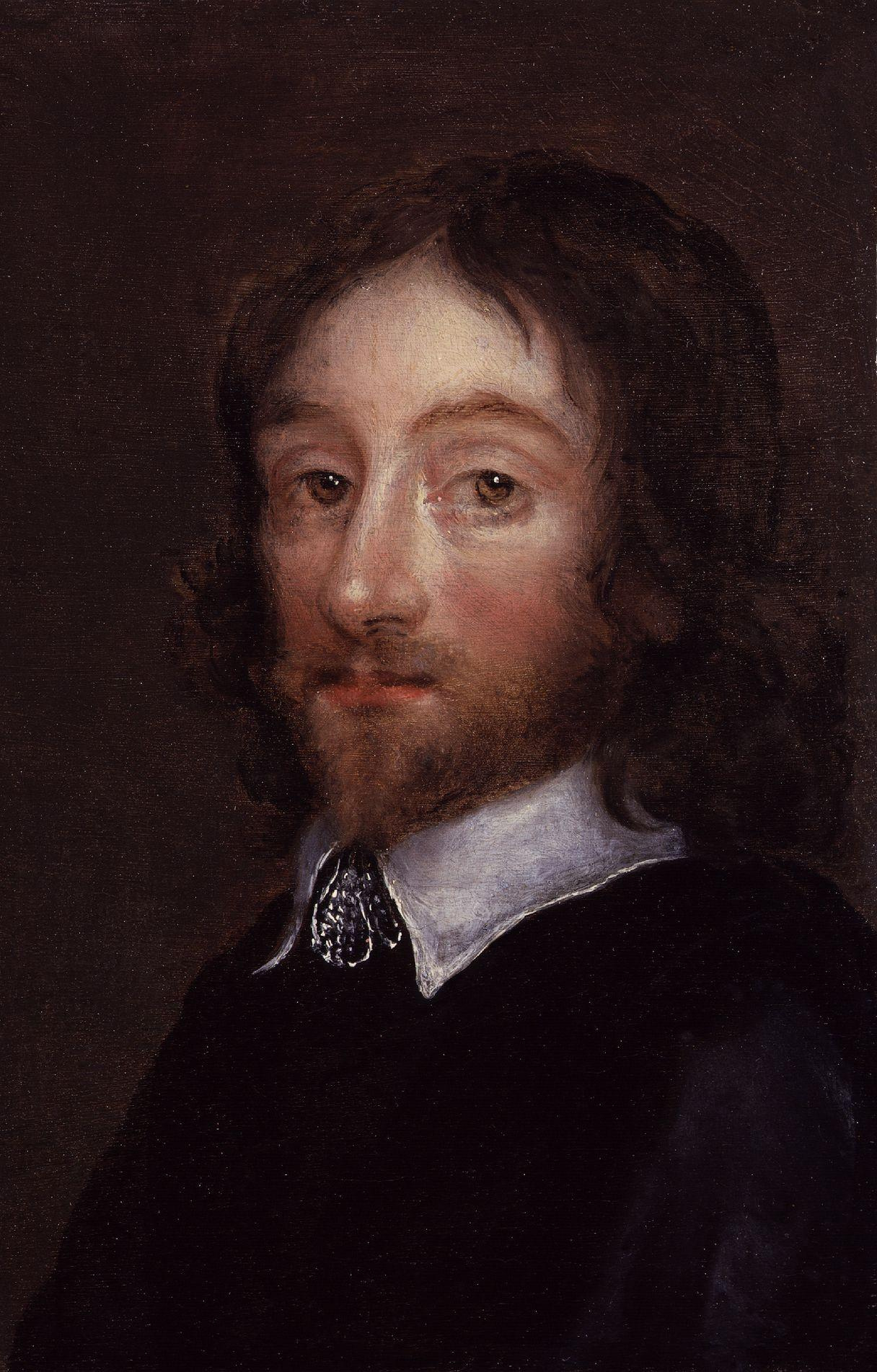
Thomas Browne livre Religio Medici
Section 12
Religio Medici (1643), Part II
Thomas Browne livre The Garden of Cyrus
Source: The Garden of Cyrus (1658), Ch. 5
Thomas Browne livre Hydriotaphia, Urn Burial
Source: Hydriotaphia, Urn Burial (1658), Chapter V
Thomas Browne livre Christian Morals
Part III, Section XII
Christian Morals (first pub. post. 1716)
Thomas Browne livre Religio Medici
Section 45
Religio Medici (1643), Part I
These words also appear in Christian Morals, Part I, Section I
Letter to a Friend (circa 1656)
“To be nameless in worthy deeds exceeds an infamous history.”
Thomas Browne livre Hydriotaphia, Urn Burial
Source: Hydriotaphia, Urn Burial (1658), Chapter V
Thomas Browne livre Hydriotaphia, Urn Burial
Dedication
Hydriotaphia, Urn Burial (1658)
Thomas Browne livre Religio Medici
Section 4
Religio Medici (1643), Part II
“It is the common wonder of all men, how among so many million of faces there should be none alike.”
Thomas Browne livre Religio Medici
Section 2
Religio Medici (1643), Part II
Thomas Browne livre Religio Medici
Section 48
Religio Medici (1643), Part I
“The created World is but a small Parenthesis in Eternity.”
Thomas Browne livre Christian Morals
Part III, Section XXIX
Christian Morals (first pub. post. 1716)
“Be substantially great in thyself, and more than thou appearest unto others.”
Thomas Browne livre Christian Morals
Part I, Section XIX
Christian Morals (first pub. post. 1716)
Thomas Browne livre Christian Morals
Part III, Section VII
Christian Morals (first pub. post. 1716)
“A man may be in as just possession of Truth as of a City, and yet be forced to surrender.”
Thomas Browne livre Religio Medici
Section 6
Religio Medici (1643), Part I


