William Logan (author) book Malabar Manual
Malabar Manual, Page 58 https://archive.org/details/MalabarLogan/page/n70 <br class="br">Malabar Manual (1887)
William Logan was a Scottish officer of the Madras Civil Service under the British Government. Before his appointment as Collector of Malabar, he had served in the area for about twenty years in the capacity of Magistrate and Judge. He was conversant in Malayalam, Tamil and Telugu. He is remembered for his 1887 guide to the Malabar District, popularly known as the Malabar Manual
Logan had a special liking for what is now the state of Kerala and its people. His work and life in Thalassery is commemorated there by Logan's Road, the main road that cuts across the town.
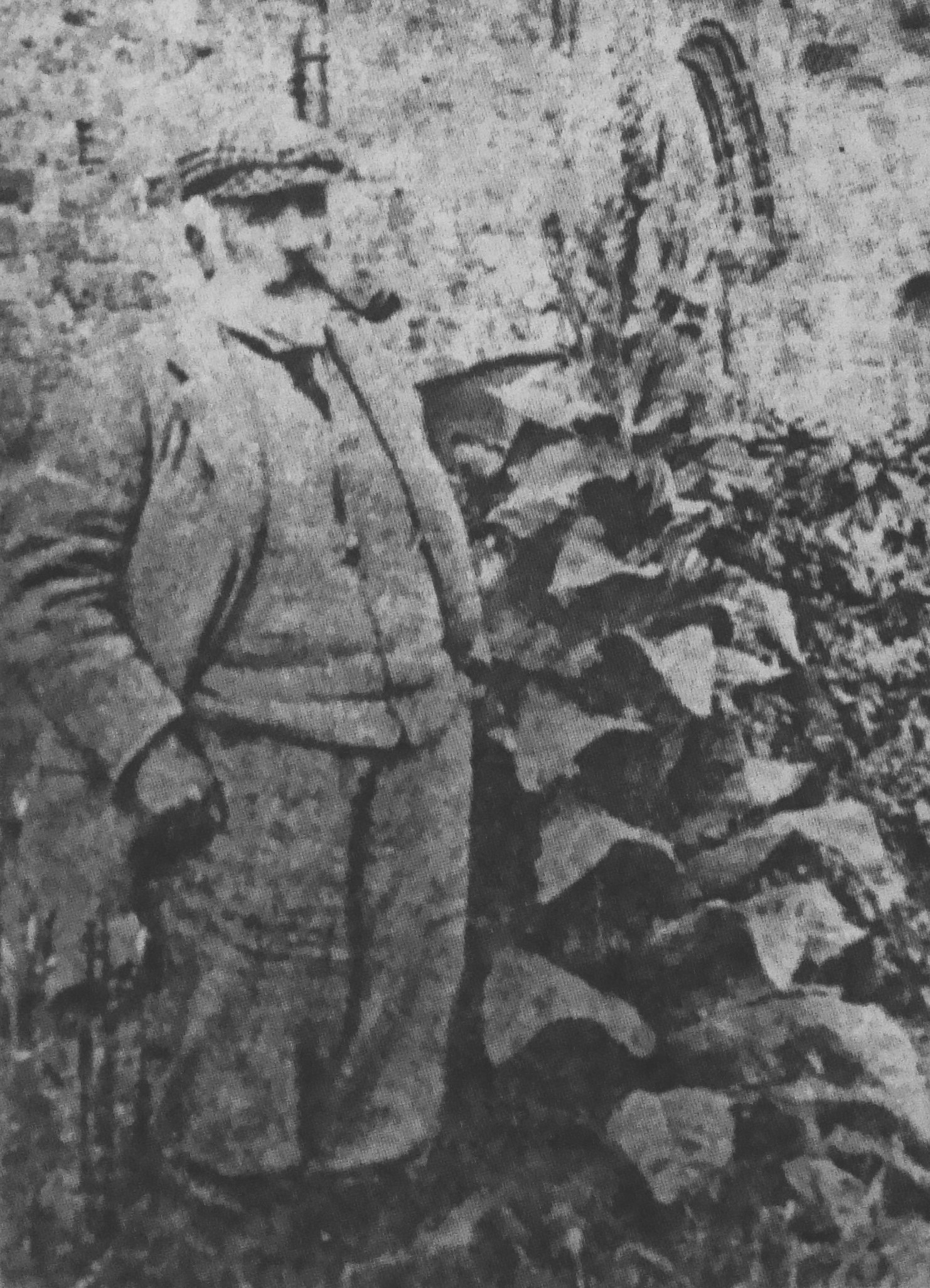
William Logan (author) book Malabar Manual
Malabar Manual, Page 58 https://archive.org/details/MalabarLogan/page/n70 <br class="br">Malabar Manual (1887)
LATE P.C.N. RAJA, RELIGIOUS INTOLERANCE OF TIPU SULTAN (This is the English translation of the Malayalam article by P.C.N. Raja first published in Kesari Annual of 1964. The late Raja was a senior member of the Zamorin Royal Family.) in Tipu Sultan: Villain or hero? : an anthology. (1993).
About William Logan
William Logan (author) book Malabar Manual
Malabar Manual, Page 144 https://archive.org/details/MalabarLogan/page/n156 <br class="br">Malabar Manual (1887)
William Logan (author) book Malabar Manual
Malabar Manual, Page 142 https://archive.org/details/MalabarLogan/page/n154 <br class="br">Malabar Manual (1887)
William Logan (author) book Malabar Manual
Malabar Manual, Page 142 https://archive.org/details/MalabarLogan/page/n154 <br class="br">Malabar Manual (1887)
William Logan (author) book Malabar Manual
Malabar Manual, Page 136 https://archive.org/details/MalabarLogan/page/n148 <br class="br">Malabar Manual (1887)
William Logan (author) book Malabar Manual
Malabar Manual, Page 136 https://archive.org/details/MalabarLogan/page/n148 <br class="br">Malabar Manual (1887)
William Logan (author) book Malabar Manual
Malabar Manual, Page 135 https://archive.org/details/MalabarLogan/page/n147 <br class="br">Malabar Manual (1887)
William Logan (author) book Malabar Manual
Malabar Manual, Page 122 https://archive.org/details/MalabarLogan/page/n134 <br class="br">Malabar Manual (1887)
William Logan (author) book Malabar Manual
Malabar Manual, Page 121 https://archive.org/details/MalabarLogan/page/n133 <br class="br">Malabar Manual (1887)


