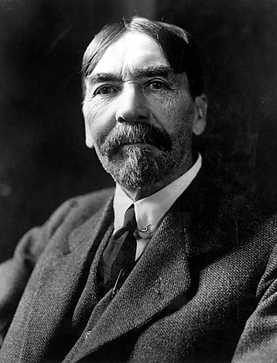
Source: "The Place of Science in Modern Civilization", 1906, p. 355
Works

The Theory of the Leisure Class
Thorstein Veblen
The Theory of Business Enterprise
Thorstein VeblenThe Theory of the Leisure Class
Thorstein VeblenThe Theory of Business Enterprise
Thorstein VeblenThorstein Veblen: 41 quotes3 likes
Famous Thorstein Veblen Quotes
Thorstein Veblen book The Theory of the Leisure Class
Source: The Theory of the Leisure Class (1899), p. 23
Thorstein Veblen book The Theory of the Leisure Class
Source: The Theory of the Leisure Class (1899), p. 5
Thorstein Veblen book The Theory of Business Enterprise
Source: The Theory of Business Enterprise, 1904, p. 370
Thorstein Veblen book The Theory of the Leisure Class
Source: The Theory of the Leisure Class (1899), p. 128
Thorstein Veblen book The Theory of the Leisure Class
Source: The Theory of the Leisure Class (1899), p. 148
Thorstein Veblen Quotes about life
Thorstein Veblen book The Theory of Business Enterprise
Source: The Theory of Business Enterprise, 1904, p. 41-42. as cited in: Geoffrey Hodgson (2004). The Evolution of Institutional Economics. p. 202
Thorstein Veblen book The Theory of the Leisure Class
Source: The Theory of the Leisure Class (1899), p. 122
Thorstein Veblen book The Theory of Business Enterprise
Source: The Theory of Business Enterprise, 1904, p. 306
Thorstein Veblen book The Theory of the Leisure Class
Source: The Theory of the Leisure Class (1899), p. 112
Thorstein Veblen book The Theory of the Leisure Class
Source: The Theory of the Leisure Class (1899), p. 84
Thorstein Veblen book The Theory of the Leisure Class
Source: The Theory of the Leisure Class (1899), p. 99
Thorstein Veblen Quotes about communication
Thorstein Veblen book The Theory of the Leisure Class
Source: The Theory of the Leisure Class (1899), p. 110
Thorstein Veblen book The Theory of the Leisure Class
Source: The Theory of the Leisure Class (1899), p. 32
Thorstein Veblen book The Theory of the Leisure Class
Source: The Theory of the Leisure Class (1899), p. 19
Source: Absentee Ownership (1923), p. 191
Thorstein Veblen book The Theory of the Leisure Class
Source: The Theory of the Leisure Class (1899), p. 65-66
Thorstein Veblen book The Theory of the Leisure Class
Source: The Theory of the Leisure Class (1899), p. 111
Thorstein Veblen Quotes
Thorstein Veblen book The Theory of the Leisure Class
Source: The Theory of the Leisure Class (1899), p. 83
Thorstein Veblen book The Theory of the Leisure Class
Source: The Theory of the Leisure Class (1899), p. 125
Thorstein Veblen book The Theory of the Leisure Class
Source: The Theory of the Leisure Class (1899), p. 92
“Conspicuous consumption of valuable goods is a means of reputability to the gentleman of leisure.”
Thorstein Veblen book The Theory of the Leisure Class
Source: The Theory of the Leisure Class (1899), p. 57,
“[H]ere and now, as always and everywhere, invention is the mother of necessity.”
Veblen (1914) "The Instinct of Workmanship and the State of the Industrial Arts". p. 314
Source: The Instinct of Workmanship and the State of the Industrial Arts, 1914, p. 349
Source: The Instinct of Workmanship and the State of the Industrial Arts, 1914, p. 67
Thorstein Veblen book The Theory of the Leisure Class
Source: The Theory of the Leisure Class (1899), p. 117
Veblen (1908) The Evolution of the Scientific Point of View, University of California Chronicle
Thorstein Veblen book The Theory of the Leisure Class
Source: The Theory of the Leisure Class (1899), p. 102
Veblen (1917) An Inquiry Into the Nature of Peace, and the Terms of Its Perpetuation, p. 168
Thorstein Veblen book The Theory of the Leisure Class
Source: The Theory of the Leisure Class (1899), p. 126
Source: "Why is economics not an evolutionary science?", 1898, pp. 375-378; As cited in: Geoffrey M. Hodgson, "Veblen and darwinism." International review of sociology 14.3 (2004): 343-361
“All ritual has a notable tendency to reduce itself to a rehearsal of formulas.”
Thorstein Veblen book The Theory of the Leisure Class
Source: The Theory of the Leisure Class (1899), p. 122
“The possession of wealth confers honor; it is an invidious distinction.”
Thorstein Veblen book The Theory of the Leisure Class
Source: The Theory of the Leisure Class (1899), p. 26
Thorstein Veblen book The Theory of the Leisure Class
Source: The Theory of the Leisure Class (1899), p. 106
Thorstein Veblen book The Theory of Business Enterprise
Source: The Theory of Business Enterprise, 1904, p. 369
Thorstein Veblen book The Theory of the Leisure Class
Source: The Theory of the Leisure Class (1899), p. 51
Thorstein Veblen book The Theory of the Leisure Class
Source: The Theory of the Leisure Class (1899), p. 23
“The chief use of servants is the evidence they afford of the master's ability to pay.”
Thorstein Veblen book The Theory of the Leisure Class
Source: The Theory of the Leisure Class (1899), p. 62
Veblen (1918) The Higher Learning in America. p. 155
Thorstein Veblen book The Theory of the Leisure Class
Source: The Theory of the Leisure Class (1899), p. 103


