
“The paths of glory lead but to the grave.”
Source: An Elegy Written In A Country Churchyard
Thomas Gray was an English poet, letter-writer, classical scholar, and professor at Pembroke College, Cambridge. He is widely known for his Elegy Written in a Country Churchyard, published in 1751.Gray was an extremely self-critical writer who published only 13 poems in his lifetime, despite being very popular. He was even offered the position of Poet Laureate in 1757, though he declined. His writing is largely considered to be pre-Romantic. Wikipedia
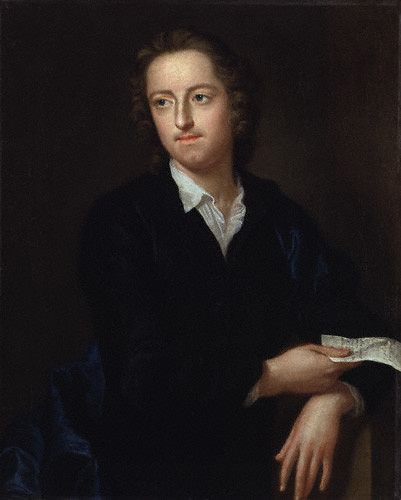
“The paths of glory lead but to the grave.”
Source: An Elegy Written In A Country Churchyard
“Forbade to wade through slaughter to a throne,
And shut the gates of mercy on mankind.”
St. 17 <br class="br"> Elegy Written in a Country Churchyard http://www.thomasgray.org/cgi-bin/display.cgi?text=elcc (written 1750, publ. 1751)
St. 14 <br class="br"> Elegy Written in a Country Churchyard http://www.thomasgray.org/cgi-bin/display.cgi?text=elcc (written 1750, publ. 1751) <br class="br">Source: An Elegy Written In A Country Churchyard
III. 3, Line 2 <br class="br"> The Progress of Poesy http://www.thomasgray.org/cgi-bin/display.cgi?textpppo (1754) <br class="br">Source: Selected Poems
“Rich windows that exclude the light,
And passages that lead to nothing.”
A Long Story; reported in Bartlett's Familiar Quotations, 10th ed. (1919)
“Dear, as the light that visits these sad eyes;
Dear, as the ruddy drops that warm my heart.”
I. 3. lines 39-40
The Bard (1757)
“O'er her warm cheek and rising bosom move
The bloom of young Desire and purple light of Love.”
I. 3, Line 16 <br class="br"> The Progress of Poesy http://www.thomasgray.org/cgi-bin/display.cgi?text=pppo (1754)
Source: Ode on the Pleasure Arising from Vicissitude http://www.thomasgray.org/cgi-bin/display.cgi?text=oopv (1754), Line 93
III. 2, Line 4 <br class="br"> The Progress of Poesy http://www.thomasgray.org/cgi-bin/display.cgi?text=pppo (1754)
“When love could teach a monarch to be wise,
And gospel-light first dawn'd from Bullen's eyes.”
Education and Government; reported in Bartlett's Familiar Quotations, 10th ed. (1919)
St. 13 <br class="br"> Elegy Written in a Country Churchyard http://www.thomasgray.org/cgi-bin/display.cgi?text=elcc (written 1750, publ. 1751)
“Visions of glory, spare my aching sight,
Ye unborn ages, crowd not on my soul!”
III. 1. lines 107-108
The Bard (1757)
The Epitaph, St. 2 <br class="br"> Elegy Written in a Country Churchyard http://www.thomasgray.org/cgi-bin/display.cgi?text=elcc (written 1750, publ. 1751)
St. 19 <br class="br"> Elegy Written in a Country Churchyard http://www.thomasgray.org/cgi-bin/display.cgi?textelcc (written 1750, publ. 1751)
St. 10 <br class="br"> Ode on a Distant Prospect of Eton College http://www.thomasgray.org/cgi-bin/display.cgi?text=odec (written 1742–1750)
Source: Ode on the Pleasure Arising from Vicissitude http://www.thomasgray.org/cgi-bin/display.cgi?text=oopv (1754), Line 35
St. 9 <br class="br"> Elegy Written in a Country Churchyard http://www.thomasgray.org/cgi-bin/display.cgi?text=elcc (written 1750, publ. 1751)
“While bright-eyed Science watches round.”
Ode for Music http://www.thomasgray.org/cgi-bin/display.cgi?text=ocmu (1769), Chorus, line 3
II. 2, Line 10 <br class="br"> The Progress of Poesy http://www.thomasgray.org/cgi-bin/display.cgi?text=pppo (1754)
“E'en from the tomb the voice of Nature cries,
E'en in our Ashes live their wonted Fires.”
St. 23 <br class="br"> Elegy Written in a Country Churchyard http://www.thomasgray.org/cgi-bin/display.cgi?text=elcc (written 1750, publ. 1751)
“Now my weary lips I close;
Leave me, leave me to repose!”
Descent of Odin http://www.thomasgray.org/cgi-bin/display.cgi?text=dooo, Line 71 (1761)
“Beyond the limits of a vulgar fate,
Beneath the good how far,—but far above the great.”
III. 3, Line 16 <br class="br"> The Progress of Poesy http://www.thomasgray.org/cgi-bin/display.cgi?text=pppo (1754)
St. 1 <br class="br"> Elegy Written in a Country Churchyard http://www.thomasgray.org/cgi-bin/display.cgi?text=elcc (written 1750, publ. 1751)
“From Helicon's harmonious springs
A thousand rills their mazy progress take.”
I. 1, Line 3 <br class="br"> The Progress of Poesy http://www.thomasgray.org/cgi-bin/display.cgi?text=pppo (1754)
“Hands, that the rod of empire might have swayed,
Or waked to ecstasy the living lyre.”
St. 12 <br class="br"> Elegy Written in a Country Churchyard http://www.thomasgray.org/cgi-bin/display.cgi?text=elcc (written 1750, publ. 1751)
The Epitaph, St. 3 <br class="br"> Elegy Written in a Country Churchyard http://www.thomasgray.org/cgi-bin/display.cgi?text=elcc (written 1750, publ. 1751) <br class="br">Variant: No farther seek his merits to disclose, <br> Or draw his frailties from their dread abode, <br> (There they alike in trembling hope repose,) <br> The bosom of his Father and his God.
St. 6 <br class="br"> Ode on a Distant Prospect of Eton College http://www.thomasgray.org/cgi-bin/display.cgi?text=odec (written 1742–1750)
St. 5 <br class="br"> Ode on a Distant Prospect of Eton College http://www.thomasgray.org/cgi-bin/display.cgi?text=odec (written 1742–1750)
“Ye towers of Julius, London's lasting shame,
With many a foul and midnight murder fed.”
II. 3. lines 87-88
The Bard (1757)
Source: Ode on the Pleasure Arising from Vicissitude http://www.thomasgray.org/cgi-bin/display.cgi?text=oopv (1754), Line 41
“Or ope the sacred source of sympathetic tears.”
III. 1, Line 12 <br class="br"> The Progress of Poesy http://www.thomasgray.org/cgi-bin/display.cgi?text=pppo (1754)
St. 16 <br class="br"> Elegy Written in a Country Churchyard http://www.thomasgray.org/cgi-bin/display.cgi?text=elcc (written 1750, publ. 1751)
St. 1 <br class="br"> On the Death of a Favourite Cat http://www.thomasgray.org/cgi-bin/display.cgi?textodfc (1747)
St. 7 <br class="br"> On the Death of a Favourite Cat http://www.thomasgray.org/cgi-bin/display.cgi?text=odfc (1747)
"The Triumphs of Owen. A Fragment", from Mr. Evans's Specimens of the Welch Poetry (1764) http://www.thomasgray.org/cgi-bin/display.cgi?text=trow
St. 6 <br class="br"> Ode on a Distant Prospect of Eton College http://www.thomasgray.org/cgi-bin/display.cgi?text=odec (written 1742–1750)
“I shall be but a shrimp of an author.”
Letter to Horace Walpole http://www.thomasgray.org/cgi-bin/display.cgi?text=tgal0527 (February 25, 1768)
The Epitaph, St. 1 <br class="br"> Elegy Written in a Country Churchyard http://www.thomasgray.org/cgi-bin/display.cgi?text=elcc (written 1750, publ. 1751)
“Save that from yonder ivy-mantled tow'r
The moping owl does to the moon complain.”
St. 3 <br class="br"> Elegy Written in a Country Churchyard http://www.thomasgray.org/cgi-bin/display.cgi?text=elcc (written 1750, publ. 1751)
“What sorrow was, thou bad'st her know,
And from her own she learned to melt at others' woe.”
Hymn to Adversity http://www.thomasgray.org/cgi-bin/display.cgi?text=otad, St. 2 (1742)
Ode for Music http://www.thomasgray.org/cgi-bin/display.cgi?text=ocmu (1769), V, line 8
“Ye distant spires, ye antique towers,
That crown the wat'ry glade.”
St. 1 <br class="br"> Ode on a Distant Prospect of Eton College http://www.thomasgray.org/cgi-bin/display.cgi?text=odec (written 1742–1750)
“Too poor for a bribe, and too proud to importune,
He had not the method of making a fortune.”
On His Own Character http://www.thomasgray.org/cgi-bin/display.cgi?text=skoc (1761)
“Far from the sun and summer-gale,
In thy green lap was Nature's Darling laid.”
III. 1, Line 1 <br class="br"> The Progress of Poesy http://www.thomasgray.org/cgi-bin/display.cgi?text=pppo (1754)
St. 15 <br class="br"> Elegy Written in a Country Churchyard http://www.thomasgray.org/cgi-bin/display.cgi?text=elcc (written 1750, publ. 1751)
“And moody madness laughing wild
Amid severest woe.”
St. 8 <br class="br"> Ode on a Distant Prospect of Eton College http://www.thomasgray.org/cgi-bin/display.cgi?text=odec (written 1742–1750)
“Where through the long-drawn aisle and fretted vault
The pealing anthem swells the note of praise.”
St. 10 <br class="br"> Elegy Written in a Country Churchyard http://www.thomasgray.org/cgi-bin/display.cgi?text=elcc (written 1750, publ. 1751)
“The social smile, the sympathetic tear.”
Education and Government; reported in Bartlett's Familiar Quotations, 10th ed. (1919)
St. 28 <br class="br"> Elegy Written in a Country Churchyard http://www.thomasgray.org/cgi-bin/display.cgi?text=elcc (written 1750, publ. 1751)
“Brushing with hasty steps the dews away,
To meet the sun upon the upland lawn.”
St. 25 <br class="br"> Elegy Written in a Country Churchyard http://www.thomasgray.org/cgi-bin/display.cgi?text=elcc (written 1750, publ. 1751)
“To high-born Hoel's harp, or soft Llewellyn's lay.”
I. 2. line 28
The Bard (1757)
“And many a holy text around she strews,
That teach the rustic moralist to die.”
St. 21 <br class="br"> Elegy Written in a Country Churchyard http://www.thomasgray.org/cgi-bin/display.cgi?text=elcc (written 1750, publ. 1751)
“Glance their many-twinkling feet.”
I. 3, Line 11 <br class="br"> The Progress of Poesy http://www.thomasgray.org/cgi-bin/display.cgi?text=pppo (1754)
To Mr. West, Letter iv, Third Series; reported in Bartlett's Familiar Quotations, 10th ed. (1919)
“Iron sleet of arrowy shower
Hurtles in the darkened air.”
The Fatal Sisters http://www.thomasgray.org/cgi-bin/display.cgi?text=fsio (1761), line 3
“And hie him home, at evening's close,
To sweet repast and calm repose.”
Source: Ode on the Pleasure Arising from Vicissitude http://www.thomasgray.org/cgi-bin/display.cgi?text=oopv (1754), Line 87
“The breezy call of incense-breathing morn.”
St. 5 <br class="br"> Elegy Written in a Country Churchyard http://www.thomasgray.org/cgi-bin/display.cgi?text=elcc (written 1750, publ. 1751)
II. 2. lines 71-76
The Bard (1757)
Hymn to Adversity http://www.thomasgray.org/cgi-bin/display.cgi?text=otad, St. 1 (1742)
“Comus and his midnight crew.”
Ode for Music http://www.thomasgray.org/cgi-bin/display.cgi?text=ocmu (1769), line 2
“Grim-visaged comfortless Despair.”
St. 7 <br class="br"> Ode on a Distant Prospect of Eton College http://www.thomasgray.org/cgi-bin/display.cgi?text=odec (written 1742–1750)
St. 22 <br class="br"> Elegy Written in a Country Churchyard http://www.thomasgray.org/cgi-bin/display.cgi?text=elcc (written 1750, publ. 1751)
“The verse adorn again
Fierce War, and faithful Love,
And Truth severe, by fairy Fiction drest.”
III. 3. lines 125-127
The Bard (1757)
St. 6 <br class="br"> Elegy Written in a Country Churchyard http://www.thomasgray.org/cgi-bin/display.cgi?text=elcc (written 1750, publ. 1751)


