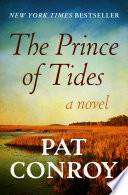

“Evil would always come to me disguised in systems and dignified by law.”
Pat Conroy The Lords of Discipline
Source: The Lords of Discipline
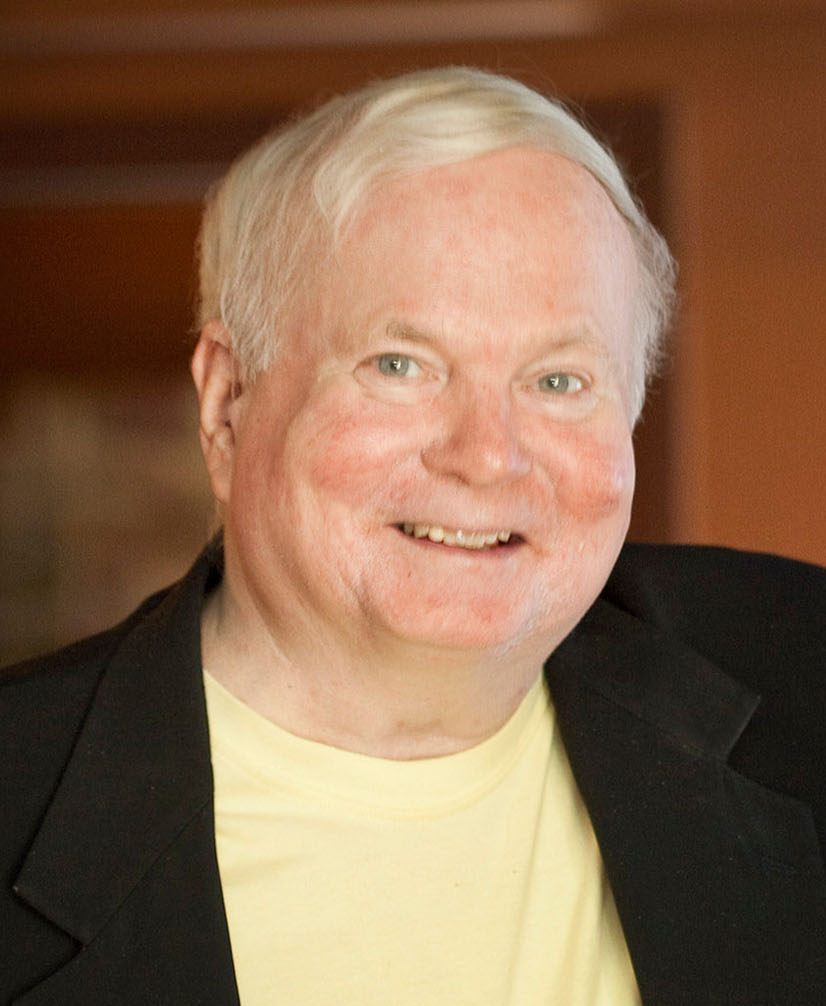
Donald Patrick "Pat" Conroy was an American author who wrote several acclaimed novels and memoirs. Two of his novels, The Prince of Tides and The Great Santini, were made into Oscar-nominated films. He is recognized as a leading figure of late-20th century Southern literature.
“Evil would always come to me disguised in systems and dignified by law.”
Pat Conroy The Lords of Discipline
Source: The Lords of Discipline
Letter to his readers (1998)
“Writing is the only way I have to explain my own life to myself.”
Source: My Reading Life
Pat Conroy book The Boo
Source: The Boo (1970), p. 6-7
Conroy's advance praise for the novel Virginia's Ring (2014), written and published by Virginia Military Institute, Class of 1983 graduate Lynn Seldon, printed on the first page in the book.
“He was one of those rare men who are capable of being fully in love only once in their lives.”
Pat Conroy book The Prince of Tides
Source: The Prince of Tides
Pat Conroy The Lords of Discipline
p 274. Said by character Colonel Edward T. Reynolds.
The Lords of Discipline (1980)
“Happiness is an accident of nature, a beautiful and flawless aberration.”
Pat Conroy The Lords of Discipline
Source: The Lords of Discipline
“I’ve never had anyone’s approval, so I’ve learned to live without it.”
Pat Conroy book The Great Santini
Source: The Great Santini
“My wound is geography. It is also my anchorage, my port of call.”
Pat Conroy book The Prince of Tides
Source: The Prince of Tides
Pat Conroy book The Prince of Tides
Source: The Prince of Tides
“Her laughter was a shiny thing, like pewter flung high in the air.”
Pat Conroy book Beach Music
Source: Beach Music
“The only word for goodness is goodness, and it is not enough.”
Pat Conroy book The Prince of Tides
Source: The Prince of Tides
“Man wonders but God decides
When to kill the Prince of Tides.”
Pat Conroy book The Prince of Tides
Source: The Prince of Tides
“There is no teacher more discriminating or transforming than loss.”
Source: My Losing Season: A Memoir
“A family is one of nature's solubles; it dissolves in time like salt in rainwater.”
Pat Conroy book The Prince of Tides
Source: The Prince of Tides
“There are no ideas in the South, just barbecue.”
Pat Conroy book The Prince of Tides
Source: The Prince of Tides
“Writing poetry and reading books causes brain damage.”
Pat Conroy book The Prince of Tides
Source: The Prince of Tides, character Henry Wingo, chapter 2, page 53 (e-book edition)
“In families, there are no crimes beyond forgiveness.”
Pat Conroy book The Prince of Tides
Source: The Prince of Tides
“Honor is the presence of God in man.”
Pat Conroy The Lords of Discipline
Source: The Lords of Discipline
Source: My Losing Season: A Memoir
Pat Conroy The Lords of Discipline
And he pointed to my name.
Source: The Lords of Discipline (1980), p. 498
Source: The Water is Wide (1972), p. 11
Pat Conroy book The Boo
Source: The Boo (1970), p. 33
We were not in the middle of a normal childhood, yet none of us were sure since it was the only childhood we would ever have. For all we knew other men were coming home and shouting to their families, "Stand by for a pharmacist," or "Stand by for a chiropractor".
Eulogy for a Fighter Pilot (1998)
Pat Conroy book The Boo
Source: The Boo (1970), p. 10
Pat Conroy The Lords of Discipline
Source: The Lords of Discipline (1980), p. 96
Eulogy for "The Boo" (May 3, 2006)
Pat Conroy The Lords of Discipline
Source: The Lords of Discipline (1980), p. 271
Pat Conroy The Lords of Discipline
Source: The Lords of Discipline (1980), p. 46. Said by character General Bentley Durrell.


.jpg)