“Great designers produce pleasurable experiences.”
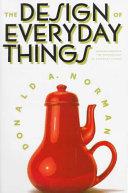
Donald A. Norman book The Design of Everyday Things
The Design of Everyday Things
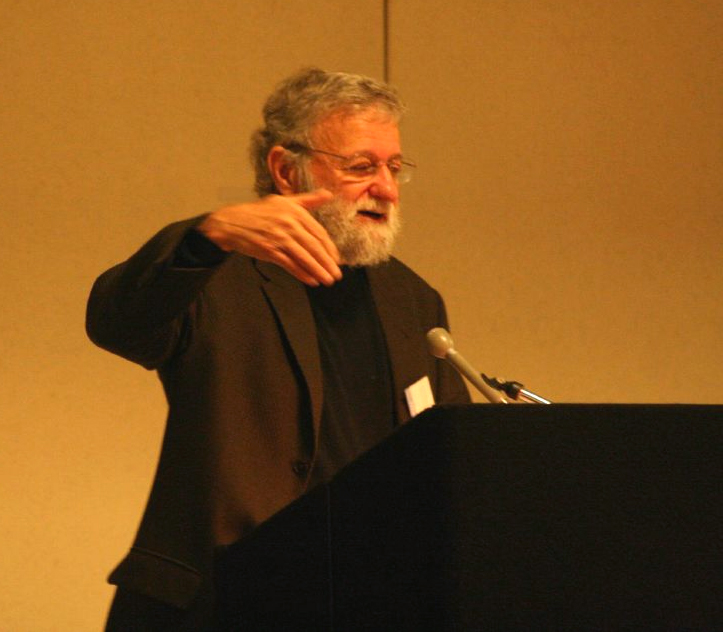
Donald Arthur "Don" Norman is the director of The Design Lab at University of California, San Diego.
He is best known for his books on design, especially The Design of Everyday Things. He is widely regarded for his expertise in the fields of design, usability engineering, and cognitive science. He is also a co-founder and consultant with the Nielsen Norman Group.
Much of Norman's work involves the advocacy of user-centered design. His books all have the underlying purpose of furthering the field of design, from doors to computers. Norman has taken a controversial stance in saying that the design research community has had little impact in the innovation of products, and that while academics can help in refining existing products, it is technologists that accomplish the breakthroughs.
Norman had been splitting his time between co-directing the dual-degree MBA and Engineering program at Northwestern University and consulting with the Nielsen Norman Group. Norman announced that he would no longer teach full-time after the 2009–2010 academic year.
Norman is an active Distinguished Visiting Professor at the Korea Advanced Institute of Science and Technology , where he spends two months a year teaching. He also holds the title of Professor Emeritus of Cognitive Science at the University of California, San Diego.
He is on numerous educational, private, and public sector advisory boards, including the editorial board of Encyclopædia Britannica.
In 2014, Norman returned to the University of California, San Diego as newly appointed director of The Design Lab.
“Great designers produce pleasurable experiences.”
Donald A. Norman book The Design of Everyday Things
The Design of Everyday Things
Donald A. Norman book The Design of Everyday Things
Introduction to the 2002 Edition, p. xi.
The Design of Everyday Things (1988, 2002)
Source: Emotional Design: Why We Love (or Hate) Everyday Things
Donald A. Norman book The Design of Everyday Things
Source: The Design of Everyday Things
Donald A. Norman book The Design of Everyday Things
Source: The Design of Everyday Things (1988, 2002), Ch. 6, p. 156.
Donald A. Norman book The Design of Everyday Things
Introduction to the 2002 Edition, p. ix.
The Design of Everyday Things (1988, 2002)
Donald A. Norman book The Design of Everyday Things
Source: The Design of Everyday Things (1988, 2002), Ch. 6, p. 157.
Donald A. Norman book The Design of Everyday Things
Source: The Design of Everyday Things (1988, 2002), Ch. 6, p. 180.
Donald A. Norman book The Design of Everyday Things
Introduction to the 2002 Edition, p. xv.
The Design of Everyday Things (1988, 2002)
Donald A. Norman book The Design of Everyday Things
Source: The Design of Everyday Things (1988, 2002), Ch. 3, p. 78.
Source: The Invisible Computer (1998), Ch. 10
Donald A. Norman book The Design of Everyday Things
Source: The Design of Everyday Things (1988, 2002), Ch. 7, p. 216.
Source: The Invisible Computer (1998), Ch. 10
Donald A. Norman book The Design of Everyday Things
Source: The Design of Everyday Things (1988, 2002), Ch. 5, pp. 114–115.
Donald A. Norman book The Design of Everyday Things
Source: The Design of Everyday Things (1988, 2002), Ch. 6, p. 185.
“People Propose, Science Studies, Technology Conforms.”
Things That Make Us Smart (1993), Epilogue.
“Academics get paid for being clever, not for being right.”
27th annual conference of the Travel and Tourism Research Association, June 1996, Las Vegas, p. 143 http://books.google.com/books?id=FUkXAQAAMAAJ&q=%22academics+get+paid+for+being+clever%22.
Donald A. Norman book The Design of Everyday Things
Source: The Design of Everyday Things (1988, 2002), Ch. 6, p. 173.
Donald A. Norman book The Design of Everyday Things
Source: The Design of Everyday Things (1988, 2002), Ch. 5, p. 131.
Donald A. Norman book The Design of Everyday Things
Source: The Design of Everyday Things (1988, 2002), Ch. 7, pp. 212—213.
Donald A. Norman book The Design of Everyday Things
Source: The Design of Everyday Things (1988, 2002), Ch. 6, p. 152.
Donald A. Norman book The Design of Everyday Things
Source: The Design of Everyday Things (1988, 2002), Ch. 1, p. 8.
Source: The Invisible Computer (1998), Ch. 10
The correct answer is 37. <br class="br"> "The Don" Reveals All: Part 1 http://www.ok-cancel.com/archives/post/2004/10/the_don_reveals_all_part_1.html
Donald A. Norman book The Design of Everyday Things
Source: The Design of Everyday Things (1988, 2002), Ch. 4, p. 87; regarding doors labeled "Push" and "Pull".
Donald A. Norman book The Design of Everyday Things
Introduction to the 2002 Edition, p. x.
The Design of Everyday Things (1988, 2002)
Donald A. Norman book The Design of Everyday Things
Source: The Design of Everyday Things (1988, 2002), Ch. 4, p. 100.


