
Quoted and attributed to Graham in Warren Buffett's 1993 letter to investors. https://www.berkshirehathaway.com/letters/1993.html<br>The statement is not found in any of Graham's publications or lecture transcripts, and when asked, Buffett could not provide a reference. https://www.bogleheads.org/forum/viewtopic.php?t=77840 <br class="br">Disputed
Works
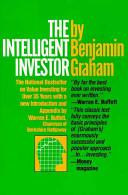
The Intelligent Investor
Benjamin GrahamThe Intelligent Investor
Benjamin GrahamBenjamin Graham: 64 quotes0 likes
Famous Benjamin Graham Quotes
“Those who do not remember the past are condemned to repeat it.”
Benjamin Graham book The Intelligent Investor
Source: The Intelligent Investor
“The intelligent investor is a realist who sells to optimists and buys from pessimists.”
Benjamin Graham book The Intelligent Investor
Source: The Intelligent Investor: The Classic Text on Value Investing (1949), Chapter II, The Investor and Stock-Market Fluctuations, p. 31
Context: Why could the typical investor expect any better success in trying to buy at low levels and sell at high levels than in trying to forecast what the market is going to do? Because if he does the former he acts only after the market has moved down into buying levels or up into selling levels. His role is not that of a prophet but of a businessman seizing clearly evident investment opportunities. He is not trying to be smarter than his fellow investors but simply trying to be less irrational than the mass of speculators who insist on buying after the market advances and selling after it goes down. If the market persists in behaving foolishly, all he seems to need is ordinary common sense in order to exploit its foolishness.
Source: The Intelligent Investor: The Classic Text on Value Investing (1949), Chapter II, The Investor and Stock-Market Fluctuations, p. 34
Part III, Chapter XIII, The Reservoir Plan and Credit Control, p. 153
Storage and Stability (1937)
Benjamin Graham: Trending quotes
Source: World Commodities and World Currencies (1944), Chapter X, Commodity Unit Stabilization, p. 114
Context: We have introduced the monetary factor not by necessity but by choice. Its advantages are obvious. Self-financed commodity units are not only interest free, but free also from dependence upon credit conditions. They are a step-desirable, it seems to us-in the direction of a goods economy as distinct from a money economy; but this step is taken without violence by merely identifying basic goods with money. It guarantees unfailing purchasing power where it is most needed-among the countless producers of raw commodities.
“The State can always afford to finance what its citizens can soundly produce.”
Part I, Chapter III, The Problem of Conserving Surplus, p. 43 (italics as per text)
Storage and Stability (1937)
Source: The Intelligent Investor: The Classic Text on Value Investing (1949), Chapter II, The Investor and Stock-Market Fluctuations, p. 35
Benjamin Graham Quotes
Part IV, Chapter XIV, Farm Problems and Remedies, p. 172
Storage and Stability (1937)
Introduction, p. xxiv
The Intelligent Investor: The Classic Text on Value Investing (1949)
Source: The Intelligent Investor: The Classic Text on Value Investing (1949), Chapter II, The Investor and Stock-Market Fluctuations, p. 43
Source: The Intelligent Investor: The Classic Text on Value Investing (1949), Chapter III, The Investor and His Advisers, p. 51
Source: The Intelligent Investor: The Classic Text on Value Investing (1949), Chapter III, The Investor and His Advisers, p. 48
Source: The Intelligent Investor: The Classic Text on Value Investing (1949), Chapter I, What the Intelligent Investor Can Accomplish, p. 7
Part II, Chapter VIII, Ultimate Uses of the Stored Units, p. 97
Storage and Stability (1937)
“Do not let anyone else run your business.”
Benjamin Graham book The Intelligent Investor
Source: The Intelligent Investor (1973) (Fourth Revised Edition), Chapter 20, "Margin of Safety": The Central Concept, p. 286
Part III, Chapter X, The Status of Gold and Silver, p. 127
Storage and Stability (1937)
Source: The Intelligent Investor: The Classic Text on Value Investing (1949), Chapter XIV, Stockholders and Managements, p. 209
Source: World Commodities and World Currencies (1944), Chapter X, Commodity Unit Stabilization, p. 109
Source: The Intelligent Investor: The Classic Text on Value Investing (1949), Chapter III, The Investor and His Advisers, p. 45
Part II, Chapter IX, The Cost of the Reservoir Plan, p. 114
Storage and Stability (1937)
Source: The Intelligent Investor: The Classic Text on Value Investing (1949), Chapter II, The Investor and Stock-Market Fluctuations, p. 40
“The modern world is not geared properly to the storage of goods.”
Source: World Commodities and World Currencies (1944), Chapter III, The Paradox of the Stockpile, p. 23
“Whether we like it or not, government intervention in the face of surplus is here to stay.”
Part I, Chapter II, Government and Surplus Stocks, p. 26
Storage and Stability (1937)
Source: World Commodities and World Currencies (1944), Chapter V, Stabilization of Raw Materials, p. 56
Source: The Intelligent Investor: The Classic Text on Value Investing (1949), Chapter II, The Investor and Stock-Market Fluctuations, p. 36
Source: The Intelligent Investor: The Classic Text on Value Investing (1949), Chapter II, The Investor and Stock-Market Fluctuations, p. 21
Source: The Intelligent Investor: The Classic Text on Value Investing (1949), Chapter II, The Investor and Stock-Market Fluctuations, p. 25
Source: The Intelligent Investor: The Classic Text on Value Investing (1949), Chapter I, What the Intelligent Investor Can Accomplish, p. 11
Part V, Chapter XIX, The Reservoir Plan and Tradition, p. 234 (See also; Karl Marx, Capital)
Storage and Stability (1937)
Source: The Intelligent Investor: The Classic Text on Value Investing (1949), Chapter I, What the Intelligent Investor Can Accomplish, p. 17
Source: The Intelligent Investor: The Classic Text on Value Investing (1949), Chapter II, The Investor and Stock-Market Fluctuations, p. 42
Source: The Intelligent Investor: The Classic Text on Value Investing (1949), Chapter II, The Investor and Stock-Market Fluctuations, p. 44
Part IV, Chapter XVI, Reservoir Plan Versus Crop Control, p. 195
Storage and Stability (1937)
Part II, Chapter VIII,Ultimate Uses of the Stored Units, p. 103
Storage and Stability (1937)
Source: The Intelligent Investor: The Classic Text on Value Investing (1949), Chapter II, The Investor and Stock-Market Fluctuations, p. 43
Benjamin Graham book The Intelligent Investor
Source: The Intelligent Investor (1973) (Fourth Revised Edition), Chapter 20, "Margin of Safety": The Central Concept, p. 280
Source: The Intelligent Investor: The Classic Text on Value Investing (1949), Chapter I, What the Intelligent Investor Can Accomplish, p. 8
Part II, Chapter VI, The Question of Price Stability, p. 85
Storage and Stability (1937)
Source: World Commodities and World Currencies (1944), Chapter IX, Commodities, Gold, Credit as Money, p. 100 (See also Karl Marx, Capital Volume I, p. 89)
“Why should the cotton growers suffer if there is shortage of wheat?”
Part II, Chapter V, Reservoir System and Commodities, p. 72
Storage and Stability (1937)
Source: The Intelligent Investor: The Classic Text on Value Investing (1949), Chapter I, What the Intelligent Investor Can Accomplish, p. 18
Source: The Intelligent Investor: The Classic Text on Value Investing (1949), Chapter II, The Investor and Stock-Market Fluctuations, p. 38
Part V, Chapter XIX, The Reservoir Plan and Tradition, p. 232
Storage and Stability (1937)
Part I, Chapter II, Government and Surplus Stocks, p. 28
Storage and Stability (1937)
Part I, Chapter I, The Changing Role of Surplus Stocks, p. 4
Storage and Stability (1937)
Part III, Chapter XIII, The Reservoir Plan and Credit Control, p. 154
Storage and Stability (1937)
Benjamin Graham book The Intelligent Investor
Source: The Intelligent Investor (1973) (Fourth Revised Edition), Chapter 7, Portfolio Policy: The Positive Side, p. 75
Source: The Intelligent Investor: The Classic Text on Value Investing (1949), Chapter II, The Investor and Stock-Market Fluctuations, p. 41
Benjamin Graham book The Intelligent Investor
Source: The Intelligent Investor (1973) (Fourth Revised Edition), Chapter 16, Convertible Issues and Warrants, p. 225
Source: The Intelligent Investor: The Classic Text on Value Investing (1949), Chapter II, The Investor and Stock-Market Fluctuations, p. 25
“Investment is most intelligent when it is most businesslike.”
Benjamin Graham book The Intelligent Investor
Source: The Intelligent Investor (1973) (Fourth Revised Edition), Chapter 20, "Margin of Safety": The Central Concept, p. 286
Part II, Chapter IV, A Plan For Conserving Surplus, p. 50
Storage and Stability (1937)
Source: World Commodities and World Currencies (1944), Chapter II, The Issue of Cartels, p. 21
Source: World Commodities and World Currencies (1944), Chapter I, The Problem of Raw Materials, p. 5
“You are neither right nor wrong because people agree with you.”
As quoted by Warren Buffett, in an interview in Forbes magazine (1 November 1974)
Part I, Chapter I, The Changing Role of Surplus Stocks, p. 17
Storage and Stability (1937)


